- 1 - Understanding the Role of Console Armrests in Vehicle Comfort
- 2 - Common Problems with Car Interior Console Armrests
- 3 - Symptoms and Warning Signs of Armrest Damage
- 4 - How to Repair or Replace a Damaged Armrest
- 5 - Real-Life Examples of Armrest Problems
- 6 - Preventative Care Tips for Your Armrest
- 7 - Why Choose Rescue & Towing for Interior Repairs
1. Understanding the Role of Console Armrests in Vehicle Comfort
The center console armrest might seem like a small feature in your car’s interior, but it plays a significant role in driving comfort and functionality. Whether you’re cruising down the highway or stuck in city traffic, the armrest provides a comfortable place to rest your arm, improves posture, and sometimes even doubles as a storage compartment. Modern vehicles often integrate the armrest with cup holders, USB ports, and other features, making it a vital part of your everyday driving experience.
Unfortunately, because it’s used so frequently, the armrest is also one of the most common interior parts to wear out or break. From loose hinges to torn upholstery, even minor damage can make your drive less enjoyable—and if ignored, the problem can worsen over time.
Costco Tire Center
43621 Pacific Commons Blvd, Fremont, CA 94538, USA
2. Common Problems with Car Interior Console Armrests
There are several issues that commonly affect car interior console armrests. Understanding these can help you diagnose problems early and prevent more costly repairs later:
1. Broken hinges or latches: The hinge mechanism that allows your armrest to lift and close can wear down over time, especially if used frequently or subjected to pressure. When the hinge or latch breaks, the armrest may no longer stay in position or close properly.
2. Loose or wobbly armrest: Over time, screws and internal fittings can loosen, causing the armrest to wobble or shift when you lean on it. This is a common issue in older vehicles or those with plastic base components.
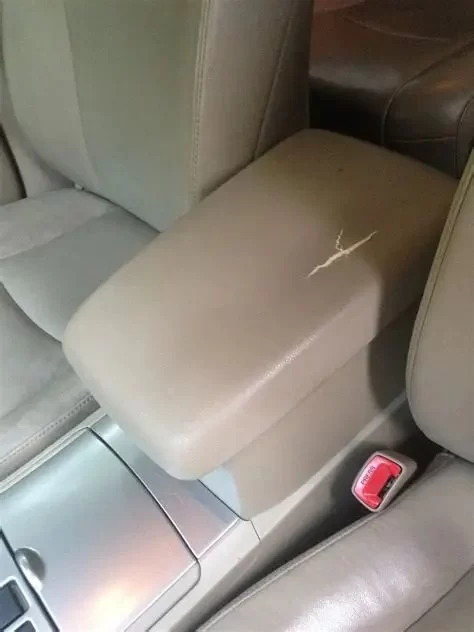
3. Cracked or damaged cover: Sun exposure and regular use can cause the armrest’s surface—often made of leather or vinyl—to crack or peel, affecting both appearance and comfort.
4. Storage lid malfunction: Many armrests double as storage compartments. The lid mechanism or spring latch may stop working, making it hard to open or close properly.
5. Squeaking or creaking noises: Friction between moving parts or deteriorating materials can lead to annoying noises every time the armrest is used.
Each of these problems can be addressed with the right approach, whether through a simple DIY repair or professional assistance.

Auto Service Center
6353 Ventura Blvd, Ventura, CA 93003, USA
3. Symptoms and Warning Signs of Armrest Damage
Some issues develop slowly, while others happen suddenly—like a broken latch snapping under pressure. Watch out for these warning signs that your car’s interior console armrest may need attention:
1. Armrest doesn’t stay closed: This often indicates a latch failure or a broken locking tab inside the console.
2. Visible cracks or sagging padding: This can make long drives uncomfortable and may worsen over time if not repaired.
3. Unusual movement: If your armrest shifts more than it should or feels unstable, internal screws or mounts could be loose.
4. Rattling sounds: This typically points to small plastic pieces that have broken off inside the mechanism.
5. Foul smell or stains: If your car has experienced a liquid spill inside the console, moisture and bacteria may cause odor or corrosion over time.
Recognizing these early signs can help prevent more extensive interior damage or discomfort while driving.
4. How to Repair or Replace a Damaged Armrest
Depending on the nature of the issue, repairing a damaged console armrest can range from a quick fix to a more involved replacement. Here’s how you can approach it:
Step 1: Identify the problem. Is it cosmetic (like torn leather), structural (like a broken hinge), or mechanical (like a jammed latch)? Each requires a different solution.
Step 2: Tighten or replace loose screws. Many armrests are attached with basic bolts that can be tightened using a screwdriver or socket wrench.
Step 3: Repair upholstery damage. For minor cracks, use a vinyl repair kit or leather conditioner. For larger tears, consider reupholstering with durable materials.
Step 4: Replace broken components. Replacement hinges, latches, and covers can be purchased online or from auto parts suppliers. If your model is complex, professional installation may be necessary.
Step 5: Clean and maintain. After repairs, clean the area thoroughly and apply a UV protectant to prevent future cracking or fading.
If you’re not comfortable tackling the repair yourself, professional technicians—like those at Rescue & Towing—can restore your armrest’s comfort and functionality efficiently.
5. Real-Life Examples of Armrest Problems
Consider the story of Amanda, who drives a 2018 Toyota Camry. One morning, she noticed that her center console lid wouldn’t close properly. After weeks of frustration, she brought her car to Rescue & Towing, where the team discovered a small plastic tab had snapped off inside the latch. A quick replacement and alignment fixed the issue within an hour.
In another case, a delivery driver who spent hours on the road daily complained of an armrest that had become wobbly and uncomfortable. The internal hinge had cracked from overuse. By replacing the part and reinforcing the mounting screws, the armrest was restored to its original sturdiness—making long drives comfortable again.
These real-life situations show how even small interior components can impact the overall driving experience, especially when ignored for too long.
6. Preventative Care Tips for Your Armrest
Maintaining your console armrest doesn’t just extend its lifespan—it keeps your interior looking and feeling great. Here are some expert tips for prevention:
1. Avoid leaning with full body weight: Armrests are designed for resting, not heavy pressure. Excess weight can cause hinges or mounts to loosen.
2. Keep the area clean: Dust and grime can build up in the hinges, leading to stiffness or damage.
3. Condition leather regularly: If your car has a leather armrest, use conditioner every few months to prevent cracking.
4. Address issues early: Don’t wait until the armrest breaks completely. Minor repairs are easier and more affordable.
5. Protect from direct sunlight: UV rays can weaken materials and cause fading or peeling over time.
By taking small preventive measures, you can ensure your car’s interior stays in top condition for years to come.
7. Why Choose Rescue & Towing for Interior Repairs
Rescue & Towing has built a reputation for quality, efficiency, and reliability in car repair and interior restoration. Our technicians specialize in fixing console armrests, dashboards, and other interior components using OEM or high-quality aftermarket parts. Whether your armrest needs tightening, reupholstering, or complete replacement, we ensure a seamless finish that feels factory-new.
If your armrest is wobbly, cracked, or simply uncomfortable, don’t let it ruin your driving experience. Contact Rescue & Towing for expert solutions that restore your car’s comfort, style, and durability—because every detail matters when it comes to your vehicle’s interior.