Common Problems with Car Door Rattles and How to Fix Them

Published on Jul 31, 2025
Common Problems with Car Door Rattles and How to Fix Them

1. What Causes Car Door Rattles?

Few things are as annoying—or potentially concerning—as a persistent rattle coming from your car door. Whether you're cruising on the highway or idling in traffic, that faint clatter can turn into a full-blown distraction. But more than just a nuisance, a car door rattle could be a sign that something isn’t functioning properly under the surface.

Rattles can stem from a wide range of issues: loose hardware, worn-out parts, missing insulation, or even debris inside the door. Over time, regular vibrations from driving can weaken connections within the door assembly, gradually turning silent components into audible problems. Understanding where these rattles originate is the first step in resolving them—and preserving your vehicle’s integrity.
Costco Tire Center
costco pacific commons hours
Costco Tire Center

43621 Pacific Commons Blvd, Fremont, CA 94538, USA

2. Common Problem Areas Inside the Door Panel

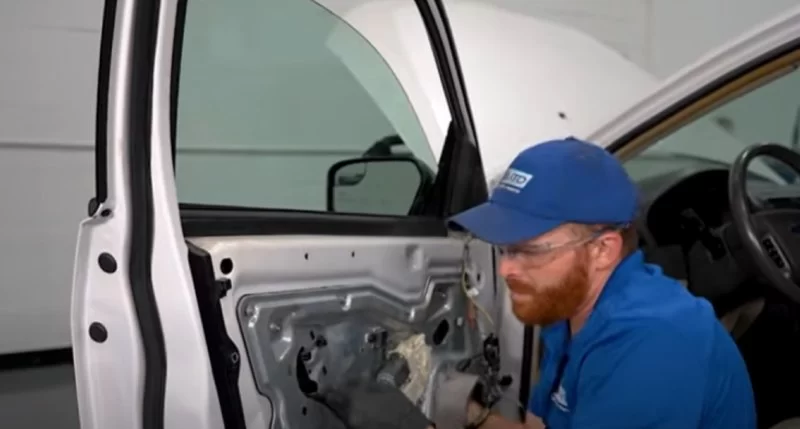
The door panel is more than just a piece of plastic—it houses complex mechanisms for windows, locks, and speakers. When something inside shifts out of place or loosens, it can produce an irritating rattle every time you hit a bump or close the door.

Auto Service Center
autozone alhambra commonwealth
Auto Service Center

6353 Ventura Blvd, Ventura, CA 93003, USA

2.1. Loose Window Regulators or Tracks

If your power windows shake or clatter when partially rolled down, the regulator or tracks may be misaligned or worn. This is especially common in older models or vehicles that frequently operate windows in dusty or wet conditions.

2.2. Disconnected Wiring Clips or Speaker Mounts

Many modern vehicles have audio systems and electronic locks built into the door. If wiring clips come undone or a speaker mount vibrates against the panel, it can cause persistent, hard-to-pinpoint rattles. These are often the culprits when the noise only occurs during bass-heavy music or road vibrations.

2.3. Missing or Damaged Insulation Foam

Factory-installed insulation helps dampen noise and secure components in place. Once it deteriorates—due to heat, moisture, or aging—rattles become more frequent. This issue is often overlooked in DIY inspections, but it makes a big difference in cabin noise levels.

3. When Door Hinges and Latches Are the Culprit

Not all rattles come from inside the panel. Sometimes the issue lies in the hinges or latch mechanisms. Worn or misaligned hinges can cause the door to vibrate slightly while driving, especially at high speeds or on uneven terrain.

Similarly, a faulty latch may not hold the door tightly closed, allowing slight movement that creates a clicking or rattling sound. These issues can be tricky because they often mimic internal problems—but addressing them can dramatically improve the feel and sound of your ride.

If you've noticed that pushing on the door while driving stops the rattle, chances are your latch or hinge needs adjusting. A quick inspection by a professional can confirm the diagnosis and prevent further wear.

4. Weatherstripping Looseness and Sound Leaks

Weatherstripping plays a crucial role in keeping your vehicle quiet and protected from the elements. Over time, this rubber lining can dry out, crack, or detach—leading to wind noise, water leaks, and yes, rattles.

Especially in vehicles exposed to harsh sun or fluctuating temperatures, the degradation of door seals is a common but fixable issue. Replacing or resealing weatherstripping often resolves door noise and improves thermal efficiency inside the cabin.

One quick tip: check for visible gaps around the door edges and feel for air leaks while driving. If it whistles at highway speeds, your weather seal may need attention.

5. Real Case: A Commuter’s Silent Rattle Saga

John, a daily commuter from New Jersey, began hearing a faint tapping noise in his 2015 sedan every time he exited the freeway. "It started as a soft flutter, almost like paper caught in the air vent," he explained. Over time, it became louder and more frequent.

After trying to fix it himself—removing door panels and checking speaker mounts—he finally took his car to Rescue & Towing for a full inspection. The team discovered a cracked clip on the window regulator and degraded foam insulation. Within a few hours, the rattle was gone, and John’s ride felt brand-new again. "I thought I’d have to live with it," he said, "but now it’s silent, and I enjoy driving again."

Stories like John’s are a reminder that even small car door rattles can affect your daily comfort—and that expert help makes all the difference.

6. How Rescue & Towing Can Help

If your car door rattles have gone from minor annoyance to daily distraction, it’s time to take action. At Rescue & Towing, our experienced technicians don’t just patch problems—they investigate the root cause. From interior panel adjustments to hinge lubrication and weatherstripping replacements, we handle it all with care and precision.

We know your vehicle is more than transportation—it’s part of your lifestyle. That’s why we offer fast diagnostics, transparent pricing, and professional service tailored to your specific needs. Whether you drive a compact car, SUV, or work truck, our team is ready to restore quiet confidence to your ride.

Auto Repair Shops Near Me

Recommended

Understanding High Beams and Low Beams in Cars: A Driver's Guide

Understanding High Beams and Low Beams in Cars: A Driver's Guide

Learn the differences between high beams and low beams in your car. Discover when to use each setting for optimal visibility and safety while driving at night.

Mar 26, 2026
Complete Guide to Checking Your Car's Electrical System Health

Complete Guide to Checking Your Car's Electrical System Health

"Learn how to check the health of your car's electrical system with expert tips. From testing your battery to inspecting the alternator and using diagnostic tools, this guide helps you identify and solve common electrical issues in your vehicle."

Mar 26, 2026
How to Determine If Your Car's Powertrain System is Healthy

How to Determine If Your Car's Powertrain System is Healthy

Learn how to determine if your car's powertrain system is healthy. Explore common signs, symptoms, and diagnostic tips to ensure your engine and transmission are running smoothly.How to Determine If Your Car's Powertrain System is HealthyAs a car owner, one of the most crucial aspects of vehicle maintenance is ensuring that the powertrain system is running efficiently. The powertrain, which includes the engine, transmission, driveshafts, and other related components, is what drives the car and makes it move. When one part of the powertrain fails, it can cause significant damage and lead to costly repairs. That's why it's essential to understand how to assess the health of your car's powertrain system. Over time, I've learned how to listen to my car, observe signs of trouble, and perform simple diagnostics to make sure everything is in top shape. In this article, I’ll walk you through the steps I use to keep my car’s powertrain healthy, as well as the signs that might indicate a problem.1. Understanding the Powertrain System: The Heart of Your CarThe powertrain is essentially the heart of your vehicle, and it plays a central role in how your car operates. It consists of several interconnected parts, all of which work together to deliver power from the engine to the wheels. The main components of the powertrain system include: Engine: The engine generates power to propel the car. It's the powerhouse that converts fuel into energy through combustion. Transmission: The transmission shifts the gears and helps transfer power from the engine to the wheels. It plays a critical role in how smoothly the car accelerates and decelerates. Driveshaft: The driveshaft transmits power from the transmission to the wheels, enabling the car to move. Axles: The axles are responsible for transferring power from the driveshaft to the wheels, helping the car maintain traction and stability.Keeping these components in good working order is essential for the overall health of your vehicle. Problems with any of these parts can lead to decreased performance, increased fuel consumption, and even complete failure of your car’s ability to drive.2. Signs of a Healthy Powertrain SystemAs someone who’s spent years driving and maintaining various vehicles, I’ve come to recognize the signs of a healthy powertrain system. When everything is running smoothly, you’ll notice a few key indicators: Smooth Acceleration: One of the most telling signs of a healthy powertrain is smooth, uninterrupted acceleration. If your car accelerates smoothly when you press the gas pedal, the engine and transmission are likely working well together. No Unusual Noises: When the powertrain system is in good condition, you shouldn’t hear any strange noises coming from the engine or transmission. A healthy powertrain operates quietly, without whining, clunking, or grinding sounds. Responsive Gear Shifts: The transmission should shift gears smoothly, without hesitation or jerking motions. If you notice that your car struggles to change gears or makes a loud “thud” when shifting, this could be a sign of transmission problems. Steady Speed: A car with a healthy powertrain will maintain a steady speed without surging or hesitating. If you notice your car lurching or slowing down unexpectedly, it could indicate a problem with the engine or transmission.If your car is exhibiting these behaviors, you’re likely in good shape. However, if you notice any discrepancies, it might be time to pay closer attention to the system and perform some diagnostics.3. Warning Signs That Something Might Be WrongWhile a healthy powertrain operates smoothly, there are several warning signs that can indicate something is wrong. These signs can range from minor issues to major red flags that require immediate attention. Here are the key warning signs I look out for: Slipping Gears: If your car feels like it's slipping out of gear or you're having trouble shifting, this can be a sign of transmission problems. It can happen if the transmission fluid is low, or the clutch is worn out, especially in manual transmissions. Engine Misfires: If you notice your engine misfiring or sputtering, this could mean that there's an issue with the engine’s ignition system, fuel injection, or powertrain components. It’s important to address engine misfires quickly as they can lead to more severe engine damage. Unusual Vibrations: If you feel unusual vibrations or shaking while driving, it may indicate a problem with your axles or driveshaft. This can often be a sign of damage or wear to these components. Delayed or Rough Shifting: If your transmission takes too long to shift or shifts roughly, it could be a sign of worn-out transmission components or low fluid levels. A rough shift could also indicate a malfunctioning solenoid or sensor. Burning Smell: A burning smell coming from the engine or transmission is a serious warning sign. It could indicate that your transmission fluid is burning due to overheating, or that the clutch is slipping.If you notice any of these symptoms, it's important to have your car checked by a professional mechanic. Ignoring these signs can lead to more severe and costly repairs down the road.4. Simple Diagnostics to Check Your Powertrain HealthWhile I always recommend taking your car to a mechanic for a professional inspection if you're concerned about the powertrain, there are some simple diagnostics you can perform at home. These are some of the basic checks I do to make sure my powertrain is in good shape: Check the Transmission Fluid: Low or dirty transmission fluid can lead to poor shifting performance and potential damage. If you’re driving an automatic, you can check the transmission fluid level and look for signs of contamination or unusual coloration. Look for Leaks: Leaks around the engine, transmission, or driveshaft can indicate a problem. If you notice oil or fluid pooling beneath your car, it’s important to identify the source and address it quickly. Listen for Unusual Noises: When your car is idling or driving, take note of any unusual noises. A clicking sound, a whirring noise, or grinding sounds can all indicate powertrain issues that require attention. Check for Warning Lights: Modern vehicles have built-in sensors that will alert you to problems with the powertrain. Pay attention to warning lights on your dashboard and take them seriously. A "check engine" light or a transmission light could indicate an issue that needs professional diagnostics.While these simple diagnostics can help, it’s always best to consult a mechanic who specializes in powertrain systems to get an accurate assessment of your car's health. Regular maintenance and early detection are key to preventing major issues and ensuring your car runs smoothly for years to come.If you're experiencing any of the symptoms mentioned, or if you’re unsure about the health of your car’s powertrain system, I recommend reaching out to a professional towing service like Rescue & Towing for assistance. They offer reliable services and expert advice on how to manage powertrain issues and keep your vehicle in optimal condition.

Mar 25, 2026
Common Symptoms of Fuel Pump Failure and How to Fix It

Common Symptoms of Fuel Pump Failure and How to Fix It

Learn about the common symptoms of fuel pump failure and how to fix them. Discover practical tips to diagnose fuel pump issues, including engine sputtering, difficulty starting, and stalling.

Mar 24, 2026
How to Handle Driving Challenges and Improve Your Skills as a New Driver

How to Handle Driving Challenges and Improve Your Skills as a New Driver

Discover expert advice and tips for new drivers. Learn essential skills like parking, driving in different weather conditions, and handling emergencies on the road.

Mar 23, 2026
How to Detect if Your Car Has an Oil Leak: A Comprehensive Guide

How to Detect if Your Car Has an Oil Leak: A Comprehensive Guide

Learn how to detect oil leaks in your car with this step-by-step guide. Find out how to spot oil leak symptoms, check for leaks under your car, and understand what causes them. Get tips on resolving oil leaks and maintaining your car.

Mar 22, 2026