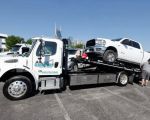
Car Towing Cost in Las Vegas: A Complete Guide to Affordable Towing Services

Published on Feb 17, 2025

Car Towing Cost in Las Vegas: A Complete Guide to Affordable Towing Services

Factors Affecting Towing Cost in Las Vegas

The cost of towing a vehicle in Las Vegas can vary significantly based on a number of factors. Understanding these variables will help you better estimate the cost before you need help. Here are some key elements that affect towing prices:

  • Distance: The farther your car needs to be towed, the higher the cost. Most towing companies charge a base fee for the first few miles, then additional fees for every mile after that.
  • Time of Day: If you need a tow during peak hours, such as during rush hour or late at night, you may be charged a premium. Emergency or after-hours towing services tend to cost more than regular towing.
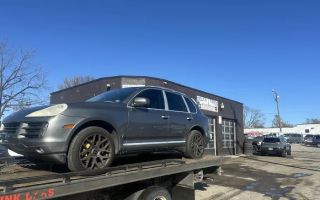
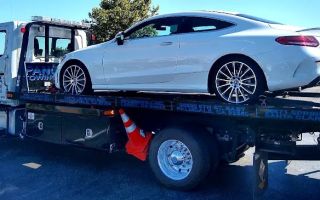
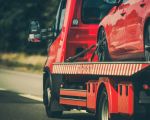
  • Type of Vehicle: Towing a heavy vehicle, such as a large truck or SUV, can cost more than towing a standard passenger car. If your vehicle requires special equipment, like a flatbed tow truck, expect additional charges.
  • Location: Towing services may charge more if you are in a remote or hard-to-reach area, such as on the outskirts of Las Vegas or in an area with limited access.
  • Condition of Vehicle: If your vehicle is stuck in an inconvenient position (such as in a ditch or off-road), the towing company might charge extra for recovery services.

Average Towing Rates in Las Vegas

While the exact cost can vary, understanding the typical rates for towing services in Las Vegas will give you a rough idea of what to expect. Here’s a breakdown of the average towing costs:

  1. Base Tow Fee: The average base fee for a standard tow in Las Vegas ranges from $50 to $100 for the first 5-10 miles.
  2. Additional Miles: For every additional mile, you can expect to pay around $2 to $4 per mile.
  3. Emergency Towing Fees: If you require emergency towing services during peak hours or at night, prices can rise significantly—often between $100 to $200 or more for after-hours towing.
  4. Heavy-Duty Towing: For larger vehicles or trucks, the cost can range from $150 to $300 or more, depending on the size and type of equipment required.
  5. Winching and Recovery Services: If your car is stuck in mud or snow and requires recovery, expect an additional $50 to $100 for winching services.

How to Save on Towing Fees in Las Vegas

Paying for towing can be costly, but there are a few ways to reduce towing expenses in Las Vegas. Here’s how you can save:

  • Plan Ahead: If you're heading out on a road trip or driving in unfamiliar areas, consider subscribing to a roadside assistance program, like AAA, which offers discounted towing rates for members.
  • Compare Towing Companies: Don’t settle for the first towing company you find. Take a few moments to compare rates online or ask for estimates from several companies to ensure you're getting the best deal.
  • Use a Towing Service with Flat-Rate Pricing: Some companies offer flat-rate pricing for certain types of tows (e.g., from specific locations), which can help you avoid paying per mile.
  • Negotiate: In some cases, especially if you're paying in cash or have a good relationship with a local towing service, you might be able to negotiate the price down.

Real-Life Examples of Towing Costs in Las Vegas

Understanding real-life scenarios can help clarify what you might expect in terms of towing costs. Here are a few examples:

  1. Case 1 – Sarah’s Breakdown on I-15: Sarah’s car broke down on the busy I-15 freeway during rush hour. She called for a tow and was charged a $75 base fee, plus $3 per additional mile for a total of $150. The tow was completed within an hour, which included a small wait for the tow truck to reach her location.
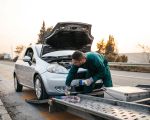
  2. Case 2 – John’s Accident Recovery: John was involved in a minor fender bender near Las Vegas Boulevard. Due to the accident's location and the need for a flatbed tow truck, his total cost came to $225, including a $50 recovery fee for the damaged car.
  3. Case 3 – Lisa’s Stuck Car in the Desert: Lisa’s vehicle got stuck off-road while she was exploring the outskirts of Las Vegas. After contacting a towing company specializing in off-road recovery, she was charged $200 for the winching service and an additional $2.50 per mile to transport her car back to the city.

Book Affordable Towing Services Now

If you're in need of towing services in Las Vegas, don’t hesitate to contact Rescue & Towing. With competitive rates and reliable service, we ensure that you’ll get back on the road quickly without breaking the bank. Click here to book your affordable towing service now!

Auto Repair Shops Near Me

Recommended

Beginner Driver Tips and Essential Driving Guidelines

Beginner Driver Tips and Essential Driving Guidelines

Discover essential driving tips and guidelines for beginner drivers. Learn how to stay safe, improve driving skills, and build confidence behind the wheel. 1. Getting Comfortable Behind the Wheel When I first started driving, everything felt new and a little overwhelming. The road signs, the cars around me, and the rules of the road all seemed like a lot to handle. I quickly realized that being a new driver required more than just knowing how to steer and press the gas pedal. It was about developing confidence, understanding the rules, and staying calm under pressure. The first step to feeling comfortable behind the wheel is to get familiar with the car. Whether you're driving a manual or automatic vehicle, understanding the dashboard, the gear stick, and the pedals is crucial. I spent a lot of time just adjusting my seat, mirrors, and steering wheel to make sure I felt relaxed and in control. This may sound basic, but trust me, it helped build my confidence from the start. 2. Mastering Basic Driving Skills Once I was comfortable with the car's layout, the next challenge was learning how to handle the vehicle on the road. This meant practicing the basics, such as accelerating smoothly, braking gently, and turning at the right speed. I soon realized that driving is about more than just getting from point A to point B—it’s about being aware of everything happening around you. 2.1 Steering and Control When I first started driving, one of the hardest things for me was maintaining a straight line on the road. I found that keeping both hands on the wheel at the 9 and 3 positions gave me the best control. This also helps in case of any unexpected turns or movements in the road. Steering smoothly is key to avoiding jerky movements, especially when driving at higher speeds or on curvy roads. 2.2 Mastering the Gas and Brake Pedals Learning how to balance the gas and brake pedals took time. In the beginning, I would accelerate too quickly or brake too hard, which made me feel less confident. Over time, I learned to press the gas pedal gently and to brake early when approaching stops or turns. I also practiced gradually increasing speed to get a better feel for how the car responds to my movements. Smooth acceleration and braking make a huge difference in how the car drives and how confident you feel on the road. 2.3 Proper Use of Turn Signals At first, I often forgot to use my turn signals or did so at the last minute. This is not only dangerous but also inconsiderate to other drivers. I learned that using my signals early enough to give other drivers time to react makes the entire driving experience smoother and safer. Remember, signaling isn’t just a courtesy; it's a law that helps prevent accidents. 3. Navigating Different Road Conditions As a new driver, I quickly learned that driving conditions can change unexpectedly. Whether it was rain, snow, or simply driving at night, I found that I needed to adjust my driving to ensure safety. Navigating different weather conditions was one of the most important lessons I learned in my early driving experiences. 3.1 Driving in Rain and Wet Conditions One of my first experiences driving in rain taught me how much more cautious I needed to be. Water on the road can cause your tires to lose traction, especially at higher speeds. I made sure to reduce my speed, keep a greater distance from the car in front of me, and avoid sudden steering or braking. It's also essential to keep my headlights on in rainy conditions, as this helps increase visibility for other drivers and myself. 3.2 Driving at Night Night driving was another challenge I faced as a new driver. Not only is visibility reduced, but headlights from other cars can be distracting. I found that keeping a safe distance from vehicles with bright headlights, using my rearview mirror to adjust for glare, and ensuring my own headlights were properly aimed helped make night driving less stressful. I also learned to avoid looking directly at oncoming headlights and instead focus on the road's edge to stay oriented. 3.3 Driving in Snow or Ice Driving in snow or icy conditions was one of the most intimidating things I experienced. In these conditions, I learned to reduce my speed significantly and to give myself extra time to stop or make turns. I also discovered that keeping a steady, smooth pressure on the gas and avoiding sudden acceleration or braking helped prevent losing control. Additionally, I always ensured my car was equipped with proper tires for winter weather to enhance traction and safety. 4. Defensive Driving: Anticipating Hazards One of the most important skills I learned was defensive driving. As a new driver, I focused too much on my own car and not enough on what others were doing around me. I quickly realized that defensive driving is all about anticipating the actions of other drivers and adjusting my behavior accordingly. 4.1 Maintaining a Safe Distance In my early days of driving, I found myself tailgating more than I should. I learned that maintaining a safe following distance is crucial, especially in heavy traffic or bad weather. By keeping at least a two-second gap between me and the car ahead of me, I gave myself plenty of time to react to any sudden changes, such as a car stopping or swerving. 4.2 Watching for Blind Spots Another lesson I quickly learned was the importance of checking my blind spots before changing lanes. I used to rely solely on mirrors, but now I always turn my head to make sure there’s no vehicle hiding in my blind spot. This simple habit has helped me avoid potential accidents and has made me a much safer driver. 4.3 Keeping Calm in Traffic Traffic jams and congestion were a source of frustration for me in the beginning. I realized that getting stressed out or aggressive in traffic only made the situation worse. I learned to keep a calm and patient attitude, understanding that traffic is a normal part of driving. By staying focused and calm, I reduced my chances of making impulsive or unsafe driving decisions. 5. Parking and Maneuvering in Tight Spaces At first, parallel parking and maneuvering in tight spaces were my biggest challenges. I was nervous about hitting other cars or curbs, but with practice, I became more confident. I started by practicing in empty parking lots, getting comfortable with turning the steering wheel and using my mirrors to gauge distances. 5.1 Parallel Parking Parallel parking was especially intimidating to me. It took a lot of trial and error to perfect, but I found that using my rearview and side mirrors helped me line up my car properly. I also learned to take my time, adjusting my position as needed and always checking for obstacles around me before backing into a spot. 5.2 Parking in Tight Spaces Parking in tight spaces requires careful attention and patience. I make sure to signal my intentions early, check for pedestrians, and avoid rushing. The more time I spend practicing parking in different situations, the more confident I become in my ability to handle tight spots and ensure I don’t bump into anything. Learning to drive can be an exciting yet overwhelming experience. With each new skill I mastered, I felt more confident behind the wheel. As I continue to gain experience, I remind myself to stay alert, patient, and prepared for whatever the road throws at me. If you're looking for more tips, help with your car, or roadside assistance, don't hesitate to visit Rescue & Towing for reliable services.

Apr 10, 2026
How to Assess Whether Your Car’s Powertrain System is Healthy

How to Assess Whether Your Car’s Powertrain System is Healthy

Learn how to assess your car’s powertrain system and detect any potential issues early. Find out how to maintain the engine, transmission, and differential to keep your car running smoothly.

Apr 09, 2026
How to Fix a Car Door That Won’t Close Properly

How to Fix a Car Door That Won’t Close Properly

Learn how to fix a car door that won’t close properly with these easy-to-follow steps. From checking alignment to replacing weatherstripping, get your car door working like new.

Apr 08, 2026
How to Replace Your Car Key Battery: A Comprehensive Guide

How to Replace Your Car Key Battery: A Comprehensive Guide

"Learn how to replace your car key battery with this detailed, step-by-step guide. Get practical tips, troubleshooting advice, and everything you need to keep your key fob working like new."

Apr 07, 2026
Essential Driving Tips and Precautions for New Drivers

Essential Driving Tips and Precautions for New Drivers

"Get expert tips and safety advice for new drivers. Learn driving techniques, how to manage stress on the road, and how to handle emergency situations with confidence."

Apr 06, 2026
Common Car Transmission Problems and How to Maintain Your Vehicle

Common Car Transmission Problems and How to Maintain Your Vehicle

Learn about common car transmission problems and how to maintain your vehicle. Tips on preventing issues like slipping gears, overheating, and how to check transmission fluid.

Apr 05, 2026