- #what-to-do-when-you-are-stranded-far-from-a-gas-station
- #immediate-steps-to-stay-safe-and-calm
- #real-world-scenarios-and-lessons-learned
- #emergency-preparation-before-long-drives
- #long-term-prevention-and-smart-driving-habits
1. What to Do When You Are Stranded Far From a Gas Station
Running out of fuel far from a gas station can feel overwhelming, especially if you are in an unfamiliar area or traveling at night. While it may seem like a rare problem, it happens more often than most drivers realize, particularly on rural highways, desert roads, or long interstate stretches.
The first and most important step is recognizing that panic often makes situations worse. Your safety depends on staying calm, assessing your surroundings, and making thoughtful decisions rather than rushing into risky actions.
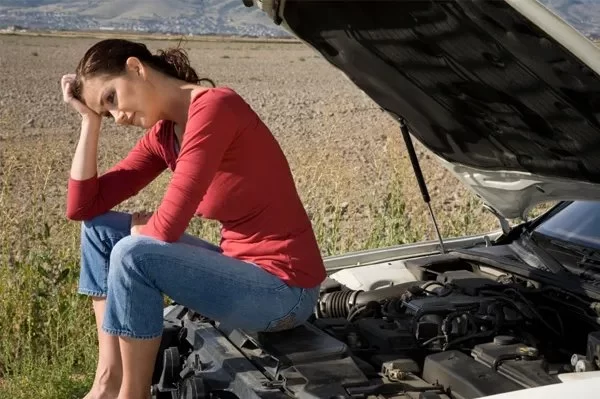
When you realize your vehicle is no longer able to move, keep the car in park, turn on hazard lights, and take a moment to evaluate your location, traffic conditions, and weather.
Gulf
Gulf Gas Station, 10801 Grand Central Pkwy, East Elmhurst, NY 11369, USA
2. Immediate Steps to Stay Safe and Calm
Once your car is stopped, your priority should be visibility and personal safety. Other drivers need to see you clearly, especially on high-speed roads.
Exxon
4302 Fort Hamilton Pkwy, Brooklyn, NY 11219, USA
2.1 Staying Inside vs. Leaving the Vehicle
In most situations, staying inside your car with seatbelt fastened is safer than walking along the road. This is particularly true on highways or poorly lit roads. If you must exit the vehicle, do so cautiously and stay well off the roadway.
2.2 Managing Power and Phone Battery
Turn off non-essential electronics to conserve battery power. Your phone may become your most valuable tool for communication, navigation, or emergency assistance.
2.3 Knowing When to Call for Help
If you cannot safely reach fuel on foot or are unsure of your location, contacting professional roadside assistance is often the safest option. Many drivers rely on trusted services such as Rescue & Towing when facing unexpected roadside emergencies.
3. Real-World Scenarios and Lessons Learned
Consider the story of a family traveling through a remote stretch of highway in the Southwest. Confident they had enough fuel, they passed several gas stations without stopping. A sudden detour due to road construction added miles they had not planned for, and their fuel gauge dropped faster than expected.
When the car eventually stalled, they were miles from the nearest exit. Because they stayed in the vehicle, used hazard lights, and called for assistance promptly, the situation remained stressful but safe.
Stories like this highlight how even experienced drivers can underestimate fuel needs, reinforcing the importance of preparation and caution.
4. Emergency Preparation Before Long Drives
The best way to handle being stranded is to reduce the chance of it happening in the first place. Emergency preparation is especially important for long-distance travel.
4.1 Understanding Your Vehicle’s Fuel Range
Every vehicle has a different fuel efficiency and reserve capacity. Relying solely on the fuel gauge can be misleading, especially in extreme temperatures or hilly terrain.
4.2 Keeping an Emergency Kit in Your Car
A basic emergency kit can make a major difference. Items such as water, snacks, a flashlight, reflective gear, and a phone charger provide comfort and safety while waiting for help.
4.3 Planning Fuel Stops Ahead of Time
Before starting a trip, review your route and identify gas stations along the way. Planning fuel stops reduces stress and prevents last-minute decisions that can lead to trouble.
5. Long-Term Prevention and Smart Driving Habits
Developing smart driving habits can significantly reduce the risk of running out of gas. Many experienced drivers follow a simple rule: never let the fuel tank drop below one-quarter full, especially when traveling outside city areas.
Weather conditions, traffic delays, and unexpected detours all increase fuel consumption. By refueling earlier than necessary, you create a safety buffer that protects against the unexpected.
When emergencies do happen, knowing that reliable assistance like Rescue & Towing is available can provide peace of mind. Preparation, awareness, and calm decision-making turn a potentially dangerous situation into a manageable inconvenience.