- What-to-do-if-your-car-won’t-start-after-a-jump
- Common-causes-when-a-jump-start-fails
- Step-by-step-troubleshooting-guide
- When-to-call-professional-help
- Real-life-scenarios-and-insights
What to Do If Your Car Won’t Start After a Jump
Jump-starting a car is a common quick fix when your vehicle battery dies unexpectedly. However, it can be incredibly frustrating when your car still won’t start even after a jump. Understanding what to do if your car won’t start after a jump can save you time, money, and stress. This guide dives into the possible reasons behind this issue and provides clear, actionable steps to get you back on the road.
Pick Your Part - Help Yourself
1232 Blinn Ave, Wilmington, CA 90744, USA
Understanding the problem beyond the battery
While a dead battery is often the culprit for a car not starting, when a jump-start doesn’t work, the problem might lie deeper. It could be related to your alternator, starter motor, or even fuel system. It’s crucial to recognize that a jump-start addresses only battery power issues and doesn’t fix other mechanical or electrical faults.

Pick Your Part - Greer
13054 E Wade Hampton Blvd, Greer, SC 29651, USA
Common Causes When a Jump Start Fails
1. Faulty or dead battery beyond jump-start recovery
Sometimes the battery is so deeply discharged or damaged that even a jump cannot revive it. Corrosion on battery terminals or loose connections may also prevent the jump-start from delivering power effectively. A professional battery test can reveal if replacement is necessary.
2. Alternator problems
The alternator charges the battery while the engine runs. If it’s malfunctioning, your battery won’t recharge, causing the vehicle to die shortly after a jump-start. Signs include dimming lights, dashboard warning lights, or repeated stalling.
3. Starter motor or ignition switch failure
If you hear a clicking noise or nothing at all when turning the key, the starter motor or ignition switch might be faulty. This failure prevents the engine from cranking regardless of battery power.
4. Fuel system issues
In rare cases, problems like an empty fuel tank, clogged fuel filter, or failing fuel pump can cause a no-start situation, unrelated to the battery condition.
Step-by-Step Troubleshooting Guide
1. Double-check the battery connections and cables
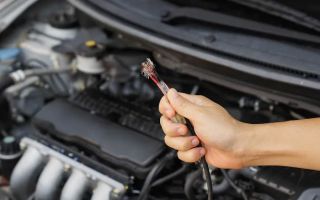
Inspect both battery terminals and jumper cables for corrosion, dirt, or looseness. Cleaning the terminals and securing the cables can often solve starting issues.
2. Try another jump-start or use a portable battery booster
If possible, attempt a second jump-start from a known good vehicle or a portable jump starter. Sometimes the initial jump was insufficient due to weak donor battery or poor connection.
3. Test the alternator output
After jump-starting, let the engine run for a few minutes and turn on electrical accessories like headlights. If they dim or the car stalls, the alternator may need professional testing or replacement.
4. Listen and observe engine sounds
Pay attention to any unusual noises or lack thereof. Clicking sounds typically indicate starter motor issues, while silence might point toward ignition or electrical faults.
5. Check fuel level and fuel system components
Ensure there is enough fuel in the tank. If the fuel pump or filter is suspected, professional diagnosis is recommended as these components require specialized equipment to test.
When to Call Professional Help
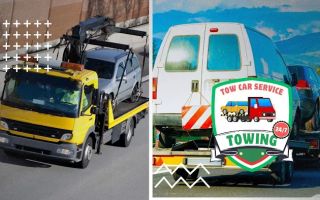
After following these troubleshooting steps, if your car still won’t start, it’s wise to contact a reliable towing or roadside assistance service. Professionals can provide accurate diagnostics and safe towing if necessary. For trusted roadside support, consider contacting Rescue & Towing, where expert technicians can assist with battery replacement, alternator repairs, or emergency towing services.
Real-Life Scenarios and Insights
One driver shared a frustrating experience: after jump-starting his car twice, it failed to start again just a few hours later. Upon inspection, he discovered the alternator was the root cause. This story illustrates how ignoring the deeper issues can lead to repeated inconvenience and higher repair costs.
Another example involved a driver who noticed corrosion on the battery terminals, which prevented a proper jump-start. A simple cleaning fixed the problem immediately, highlighting the importance of regular vehicle maintenance.
These cases emphasize the value of understanding the full scope of what to do if your car won’t start after a jump and knowing when professional intervention is necessary.