What to Do If Your Car Won’t Start After a Breakdown
Car breakdowns are an unfortunate reality that most drivers face at some point. Whether you're on the highway, in a parking lot, or in the middle of nowhere, it’s frustrating when your car won’t start after a breakdown. Many factors can contribute to this issue, and it’s important to know what steps to take to troubleshoot and resolve the problem. By following a systematic approach, you can often determine the cause of the issue and either fix it yourself or know when to call for professional help.
In this article, we’ll guide you through the potential causes of a car breakdown, provide troubleshooting steps, and explain when it’s time to seek professional assistance. Whether you’re dealing with a dead battery, a faulty alternator, or a more serious mechanical issue, this guide will help you take control of the situation and make the best decision moving forward.
1. Understanding Common Causes of a Car Breakdown
Before you can figure out what to do when your car won’t start, it’s essential to understand some of the most common causes of a car breakdown. Here are a few issues that may prevent your car from starting:
- Dead Battery: A dead battery is one of the most common reasons your car won’t start after a breakdown. This can happen if the battery is old, drained, or if there’s an issue with the alternator not charging the battery properly.
- Fuel Issues: Running out of fuel or having bad fuel (contaminated or stale fuel) can cause the engine to fail to start. A clogged fuel filter can also restrict the flow of fuel to the engine.
- Starter Motor Problems: The starter motor is responsible for turning the engine over. If the starter motor is damaged, it may prevent the engine from starting, even if the battery is fine.
- Ignition System Problems: Issues with the ignition switch, spark plugs, or the ignition coil can lead to your car not starting. Without a proper spark, the engine can’t ignite the fuel mixture to get the car moving.
- Electrical Issues: Problems with the car’s electrical system, such as blown fuses or malfunctioning sensors, can prevent the car from starting or cause intermittent starting problems.
By identifying the underlying issue, you can more effectively troubleshoot and resolve the problem when your car won’t start after a breakdown.
2. Troubleshooting Steps When Your Car Won’t Start
Once you’ve identified the most likely causes of your car’s failure to start, it’s time to begin troubleshooting. Here’s a step-by-step guide to help you figure out what’s wrong with your car:
Pick Your Part - Help Yourself
1232 Blinn Ave, Wilmington, CA 90744, USA
2.1 Check the Battery
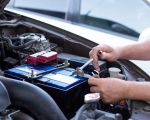
The first thing you should check is the car battery. If your car won’t start after a breakdown, the battery could be dead. To check the battery:
- Check the dashboard for any warning lights or flickering lights that indicate a battery problem.
- Listen for a clicking sound when turning the ignition key—this can be a sign that the battery is not providing enough power.
- If possible, use a multimeter to check the voltage of the battery. A fully charged battery should read around 12.6 volts.
If the battery is dead, you can try jump-starting the car using jumper cables and another vehicle. If this doesn’t work or the car doesn’t start after a jump, you may need to replace the battery.

Pick Your Part - Greer
13054 E Wade Hampton Blvd, Greer, SC 29651, USA
2.2 Check for Fuel Issues
Ensure your car has enough fuel. It’s easy to forget that you’ve run low, especially during stressful breakdowns. If the fuel gauge is fine, but you still can’t start your car, the fuel may be contaminated or stale. In this case, you might need to drain the fuel tank and replace the fuel filter. Additionally, check for any fuel system issues, such as a clogged fuel pump or fuel injectors.
2.3 Inspect the Starter Motor
The starter motor plays a vital role in starting your car. If the starter motor is faulty, you may hear a clicking sound when you turn the key, but the engine won’t turn over. If you suspect the starter motor is the issue, it may require professional replacement.
2.4 Check the Ignition System
If the battery, fuel, and starter motor are all in working condition, the issue might be with the ignition system. Check the ignition switch, spark plugs, and ignition coil for any damage or wear. If you’re not sure how to inspect the ignition system, this is when it’s best to call a mechanic for further diagnosis.
2.5 Inspect the Electrical System
Modern vehicles have a variety of sensors and electrical components that are crucial for starting the engine. If any of these parts malfunction, your car may not start. Inspect fuses, wires, and connections for signs of damage, corrosion, or loose connections. If you notice any issues, they may need to be repaired or replaced.
If none of these steps resolve the issue, it might be time to call a professional mechanic for help. Sometimes the issue can be more complex, requiring specialized diagnostic tools.
3. When to Call for Help
If troubleshooting doesn’t work or if you’re unsure about what’s causing the problem, it’s best to call for professional assistance. Here are some scenarios where you should reach out for help:
- If You Can’t Identify the Issue: If you’ve gone through the basic troubleshooting steps but still can’t figure out why your car won’t start, it’s time to call a mechanic. They can perform more in-depth diagnostics to pinpoint the problem.
- If the Issue Is Beyond Your Skill Level: Certain car problems, such as faulty wiring or starter motor failure, require specialized tools and knowledge to repair. Attempting repairs without the right skills can cause further damage.
- If You’re Stranded in an Unsafe Location: If you’ve broken down in an unsafe area, such as on the side of a busy highway or in a remote location, it’s best to call for roadside assistance or towing services to get your car to safety.
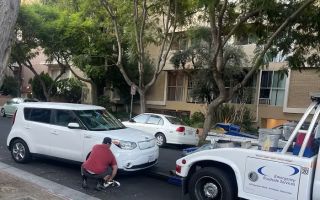
Many roadside assistance services offer 24/7 help for situations like this, providing services such as towing, jump-starting, and on-site repairs. If you're unsure where to find help, consider reaching out to Rescue & Towing, a reliable service that can provide the support you need during a car breakdown.
4. Preventative Tips to Avoid Breakdowns
While breakdowns are sometimes unavoidable, taking preventive measures can significantly reduce the chances of being stranded with a non-starting car. Here are a few tips to help keep your car in good working condition:
- Regularly Check Your Battery: Ensure your battery is clean, fully charged, and free from corrosion. If your battery is more than 3-5 years old, it might be time for a replacement.
- Keep Your Fuel Tank Full: Always keep your fuel tank at least one-quarter full to prevent running out of fuel unexpectedly.
- Schedule Regular Maintenance: Regular maintenance, including oil changes, tire checks, and brake inspections, helps catch potential problems before they lead to a breakdown.
- Check Your Alternator: The alternator is responsible for charging your battery while the engine is running. Make sure it’s functioning properly to prevent battery issues.
By following these tips, you can reduce the likelihood of a car breakdown and ensure that your vehicle remains in optimal working condition.
5. Conclusion
Experiencing a car breakdown is never fun, especially when your car won’t start. However, by following the troubleshooting steps outlined in this guide, you can diagnose and potentially resolve the issue on your own. If you’re unable to find the solution or if the problem is more complex, don’t hesitate to call for professional help. A mechanic or towing service can help you get back on the road quickly and safely.
Remember, regular maintenance and being proactive with your car’s care can help prevent breakdowns from happening in the first place. Stay prepared, and always know who to call when your car needs help.