- #understanding-why-cars-stall - Understanding Why Cars Stall on Busy Roads
- #first-steps-when-your-car-stalls - First Steps to Take When Your Car Stalls in Traffic
- #how-to-stay-safe-inside-or-out - Staying Safe: Should You Stay in the Car or Get Out?
- #what-to-do-if-cant-move-car - What to Do If You Can’t Move Your Car at All
- #real-life-situation-on-highway - Real-Life Highway Breakdown: A Driver’s Quick Thinking
- #when-to-call-professionals - When and How to Call for Help
1. Understanding Why Cars Stall on Busy Roads
One of the most unnerving moments a driver can face is having their car suddenly stall in fast-moving traffic. Mechanical issues like engine overheating, fuel delivery failure, or electrical problems are common culprits. However, human error—like forgetting to switch gears in a manual transmission or running out of fuel—can also bring your car to a halt in the worst possible places.
Recognizing early signs such as engine sputtering, dashboard warning lights, or loss of acceleration can often give you a few seconds to react. Unfortunately, on highways or crowded city streets, even a brief stall can create a dangerous situation.
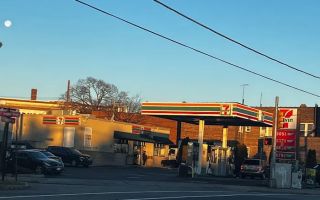
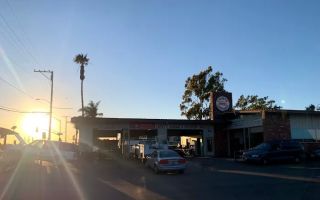
AutoZone Auto Parts
5701 Broadway, Bronx, NY 10463, USA
2. First Steps to Take When Your Car Stalls in Traffic
2.1 Stay Calm and Aware
Panicking won’t help. Instead, keep your focus on your surroundings—especially traffic behind you. If your car is still coasting, try to steer it toward the shoulder or a nearby safe zone.
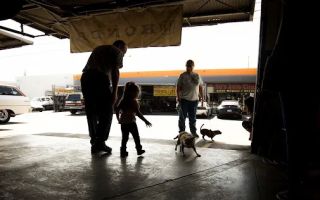
Pick Your Part - Help Yourself
1232 Blinn Ave, Wilmington, CA 90744, USA
2.2 Activate Hazard Lights Immediately
Hazard lights are your first and most crucial defense. They alert drivers that you’re experiencing trouble and help avoid rear-end collisions. Make this your first move if you can’t move the vehicle.
2.3 Shift to Neutral and Try Restarting
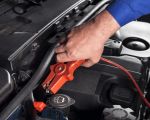
In automatic vehicles, shift into neutral and attempt to restart the engine. In a manual, clutch in fully and retry. Sometimes the issue may be temporary, such as a loose battery connection or engine hiccup.
3. Staying Safe: Should You Stay in the Car or Get Out?
This decision depends heavily on location. On multi-lane highways, exiting the car is risky unless absolutely necessary. In general, follow these rules:
3.1 On Highways: Stay Inside
Unless the car is smoking or on fire, stay inside with your seatbelt fastened. Call emergency services and wait for assistance. Opening your door into oncoming traffic can be lethal.
3.2 In Urban Traffic: Exit If It’s Safe
If your car stalls at a traffic light or busy intersection and you can safely exit toward a sidewalk, do so cautiously. Never stand between your vehicle and traffic.
3.3 Use Reflective Gear at Night
If you must exit, wear a reflective vest or wave a flashlight to increase visibility. Many drivers don’t spot stalled vehicles until it’s too late.
4. What to Do If You Can’t Move Your Car at All
4.1 Engage the Emergency Brake
If your car is completely dead and you’re stopped on an incline or at risk of rolling, apply the emergency brake to secure the vehicle.
4.2 Display Emergency Signals
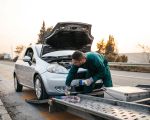
Open the hood and place a reflective triangle or road flare behind your vehicle if it’s safe. These signs tell others your vehicle isn’t simply stopped in traffic.
4.3 Don’t Try to Push It Alone
Unless you have another adult helping and the road is completely clear, don’t attempt to push the vehicle yourself. It’s rarely safe to do so in active traffic zones.
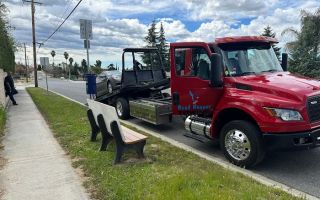
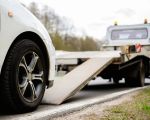
For quick and professional roadside help, Rescue & Towing offers 24/7 emergency service in urban and highway zones. Their technicians are trained to assist with breakdowns safely and efficiently, wherever you are.
5. Real-Life Highway Breakdown: A Driver’s Quick Thinking
In March 2024, a driver on I-95 in Georgia experienced sudden engine failure while driving at 70 mph. Realizing the car was losing power, she turned on hazard lights and coasted to the median. Despite being shaken, she stayed in the vehicle and called for help. Her quick response and staying buckled likely saved her life—minutes later, a semi-truck passed her stalled vehicle at full speed. The driver later shared her story online, urging others to “never underestimate how fast things change.”
6. When and How to Call for Help
6.1 Know Your Location
Before calling for assistance, pinpoint your location using your phone’s GPS or the nearest mile marker. This makes it easier for towing services or emergency responders to find you quickly.
6.2 Describe Your Situation Clearly
Tell the dispatcher whether you’re blocking traffic, if your vehicle is smoking, and whether you feel safe. The clearer your information, the faster help can be dispatched.
6.3 Trust Certified Roadside Services
Don’t rely on random tow trucks that pull over. Confirm credentials, especially in unfamiliar areas. Rescue & Towing is known for verified, professional response teams who handle high-stress breakdowns with care.
In a world where mechanical issues can strike unexpectedly, knowing what to do if your car stalls on a busy road could make all the difference in your safety—and peace of mind.