- #what-to-do-if-your-cars-speedometer-is-inaccurate
- #common-causes-of-speedometer-problems
- #how-to-test-if-your-speedometer-is-wrong
- #diy-fixes-vs-professional-repair
- #real-life-story-speedometer-inaccuracy
- #legal-and-safety-risks-of-driving-with-broken-speedometer
- #costs-and-timing-for-repair
- #choosing-reliable-help-rescue-and-towing
- #faq-speedometer-issues
What to Do If Your Car's Speedometer is Inaccurate
Few things are more frustrating—and potentially dangerous—than realizing your car’s speedometer isn’t telling the truth. Whether it’s showing you’re going faster than you are, or slower, inaccurate readings can lead to speeding tickets, accidents, or even costly repairs down the line. Knowing what steps to take can save you stress and keep you safe on the road.

Pick Your Part - Help Yourself
1232 Blinn Ave, Wilmington, CA 90744, USA
1. Common causes of speedometer problems
1.1 Faulty speed sensors
Modern cars use speed sensors to measure wheel or transmission speed. A malfunctioning sensor is one of the most common culprits behind an inaccurate speedometer.

Pick Your Part - Greer
13054 E Wade Hampton Blvd, Greer, SC 29651, USA
1.2 Wiring or electronic glitches
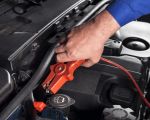
Loose connections or damaged wiring between the sensor and dashboard can cause erratic readings. Sometimes, the issue is as simple as a corroded connector.
1.3 Mechanical wear in older cars
In older vehicles with cable-driven speedometers, the cable itself can stretch, slip, or break, leading to incorrect or stuck readings.
1.4 Tire and wheel size changes
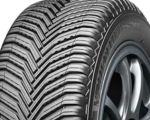
If you’ve swapped out factory-standard tires for larger or smaller ones, the rolling diameter changes and throws off the calibration of your speedometer.
2. How to test if your speedometer is wrong
2.1 GPS comparison
One of the easiest ways to check accuracy is by comparing your dashboard reading with a GPS app. While GPS isn’t perfect, it’s usually accurate enough to highlight major discrepancies.
2.2 Highway mile markers
Using a stopwatch, you can time how long it takes to travel between mile markers on a highway at a steady indicated speed. If the math doesn’t add up, your speedometer is off.
2.3 Professional diagnostic tools
Mechanics use scan tools to read the vehicle’s actual speed from the onboard computer, providing a precise comparison with the dashboard reading.
3. DIY fixes vs. professional repair
3.1 When DIY can work
If the inaccuracy started after changing your tires, recalibration or switching back to recommended sizes may solve the issue. Checking for obvious wiring problems or loose connectors is another safe DIY step.
3.2 When to call a pro
For deeper issues, like sensor replacement or dashboard cluster repair, professional expertise is the safest route. A botched repair attempt can cause further electrical issues and higher costs later on.
4. A real-life story: the ticket that could have been avoided
Consider the case of a driver who upgraded to oversized off-road tires without recalibrating the speedometer. Believing he was driving at 60 mph, he was actually going 70—and ended up with a speeding ticket. This simple oversight highlights how small changes can have major consequences when it comes to speedometer accuracy.
5. Legal and safety risks
Driving with an inaccurate speedometer isn’t just inconvenient—it’s risky. It increases the chance of speeding fines, affects insurance claims in the event of an accident, and could even make you liable if faulty speed readings contribute to unsafe driving. Safety-wise, it’s impossible to judge braking distances or merging speeds accurately without reliable information.
6. Costs and timing for repair
Repair costs vary depending on the root cause. A simple recalibration may be under $100, while sensor replacements often cost $200–$400. Dashboard cluster repairs can run even higher. The good news is that most fixes can be completed within a day once diagnosed.
7. Choosing reliable help
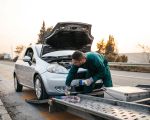
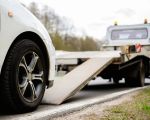
If your speedometer starts acting up, don’t wait until it leads to a fine or accident. At Rescue & Towing, you’ll find professional services and support to diagnose and repair vehicle issues quickly. Their team can ensure your car’s speedometer is back to reliable accuracy, helping you drive with peace of mind.
8. FAQ: speedometer issues explained
8.1 Can I still drive with a broken speedometer?
Technically, yes—but it’s unsafe and often illegal. You should address the problem promptly.
8.2 Does changing tire size always affect speedometer accuracy?
Not always, but significant changes in diameter almost always require recalibration.
8.3 Can I recalibrate my speedometer myself?
Some vehicles allow simple recalibration through onboard menus, but in most cases, specialized equipment is required—making professional help a better choice.