- 1 - Understanding Why Engines Stall While Decelerating
- 2 - Common Causes of Engine Stalling on Slowdown
- 3 - What to Do Immediately If Your Car Stalls
- 4 - Real Driver Stories and Lessons Learned
- 5 - Prevention Tips and Long-Term Solutions
- 6 - When to Seek Professional Help
1. Understanding Why Engines Stall While Decelerating
When a car’s engine stalls while decelerating, it often catches drivers by surprise. Stalling means the engine suddenly shuts off, cutting power to vital systems such as steering and brakes. Unlike stalling at idle or during acceleration, stalls that occur while slowing down can be dangerous, especially in traffic. Understanding the mechanical reasons behind this problem helps drivers react more calmly and prevent it from happening again.
Pick Your Part - Help Yourself
1232 Blinn Ave, Wilmington, CA 90744, USA
2. Common Causes of Engine Stalling on Slowdown
Several mechanical and electrical issues can cause stalling during deceleration. Recognizing the signs can guide you to the right fix.

Pick Your Part - Greer
13054 E Wade Hampton Blvd, Greer, SC 29651, USA
Idle Air Control Valve Malfunction
This valve regulates airflow when your foot is off the accelerator. If clogged or failing, the car may stall as the engine drops to idle speed during deceleration.
Fuel Delivery Problems
A weak fuel pump, dirty injectors, or clogged filters can cut fuel supply right when the engine needs stability, causing it to stall.
Vacuum Leaks
Cracked hoses or faulty gaskets disrupt air balance, which can lead to stalls as the engine adjusts to slower speeds.
Transmission Issues
Automatic and manual transmissions can both contribute to stalling if they don’t properly disengage during deceleration. Torque converters or clutch problems are common culprits.
3. What to Do Immediately If Your Car Stalls
When your engine stalls while slowing down, the first priority is safety. Keep calm and take the following steps:
1. Shift into neutral and try restarting the engine while coasting. 2. Turn on hazard lights to alert other drivers. 3. Steer carefully toward the side of the road if restarting fails. 4. Avoid slamming on the brakes unless absolutely necessary, as braking power may be reduced without engine support.
Drivers who practice these steps are more likely to handle the situation without panic.
4. Real Driver Stories and Lessons Learned
One driver from Ohio shared how their older sedan repeatedly stalled at stoplights when decelerating. The culprit turned out to be a dirty idle air control valve. After replacement, the issue vanished. Another case involved a pickup truck in Texas that stalled on highway exits. A failing torque converter was diagnosed, and once repaired, the vehicle regained smooth operation. These stories show how common and varied the causes can be, reinforcing the need for accurate diagnosis.
5. Prevention Tips and Long-Term Solutions
Regular vehicle maintenance is key to preventing stalls while decelerating. Drivers should schedule fuel system cleaning, replace air filters on time, and have idle air control systems inspected. Keeping up with transmission services ensures smoother disengagement during slowdown. Many experienced mechanics also recommend periodic vacuum system checks to catch leaks early.
DIY Steps That Help
For drivers comfortable with light maintenance, cleaning the throttle body or replacing spark plugs can often improve engine stability. However, it’s important to recognize when a problem requires a trained mechanic, as misdiagnosis can make matters worse.
6. When to Seek Professional Help
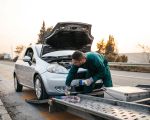
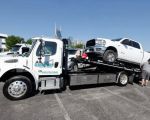
If your car continues to stall even after basic maintenance, it’s time to consult a trusted mechanic. Persistent stalling may indicate more serious issues like faulty sensors, advanced transmission wear, or electrical system malfunctions. For drivers stranded on the road, Rescue & Towing offers reliable assistance to get vehicles safely off the road and into the hands of professionals.
Peace of Mind on the Road
Stalling while decelerating doesn’t have to turn into a major crisis. By understanding the causes, knowing how to react, and taking preventive steps, drivers can stay safer on the road. With the right care and support, vehicles can maintain smooth operation and avoid leaving you stranded during critical moments.