- 1 - why-engines-overheat - Why Engines Overheat While Idling and How the Problem Starts
- 2 - immediate-actions - Immediate Actions You Should Take When You Notice Overheating
- 3 - common-causes - The Most Common Causes Behind Idling Overheating Issues
- 4 - diagnosing-problem - How to Diagnose an Overheating Engine at Home
- 5 - repair-solutions - Repair Solutions That Can Prevent Future Overheating
- 6 - real-driver-story - A Real Driver’s Story of Experiencing Overheating While Idling
- 7 - professional-help - When You Should Contact a Professional Towing or Repair Service
1. Why Engines Overheat While Idling and How the Problem Starts
An engine that overheats while idling is more than just an inconvenience—it is an early warning sign that something in your vehicle’s cooling system is failing or struggling to keep up. When the car is in motion, airflow helps cool the engine naturally. But when the car is stopped, the radiator fan must do all the work. If that system is weak or compromised, the engine temperature begins to climb quickly.
Many U.S. drivers assume overheating occurs only during long drives on hot days, but idling overheating is surprisingly common. Slow traffic, long red lights, drive-thru lines, and parking lots have all been the scene of unexpected engine temperature spikes for many drivers.
Pick Your Part - Help Yourself
1232 Blinn Ave, Wilmington, CA 90744, USA
2. Immediate Actions You Should Take When You Notice Overheating
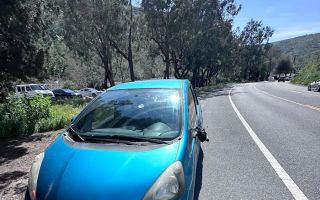
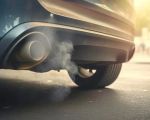
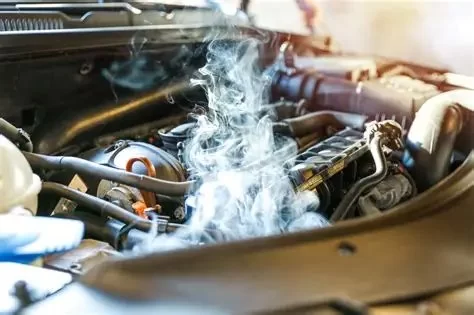
If your temperature gauge starts climbing or you notice steam from the hood, act quickly. First, safely pull over and turn off the engine. Leaving the engine running while hot can warp metal components. Turn off the air conditioner, as it adds strain, and turn the cabin heater on full blast to help pull heat away from the engine.
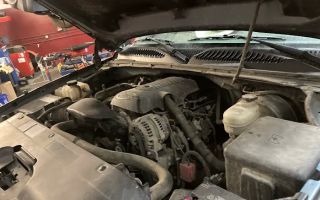
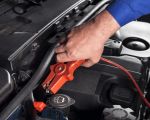
Do not open the radiator cap while the engine is still hot. Doing so can cause severe burns because the cooling system is under pressure. Wait for the engine to cool before inspecting anything under the hood. Once cooled, visually check your coolant level, hoses, and surrounding areas for signs of leaks or damage.

Pick Your Part - Greer
13054 E Wade Hampton Blvd, Greer, SC 29651, USA
3. The Most Common Causes Behind Idling Overheating Issues
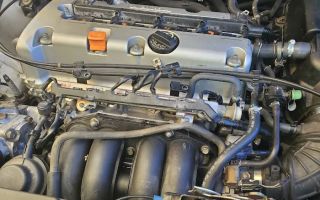
Several mechanical issues can trigger overheating while idling, but some appear far more frequently than others. A failing radiator fan is one of the biggest culprits. When the fan motor stops working or the sensor controlling it malfunctions, airflow disappears, and temperatures soar.
Low coolant levels also contribute significantly. Even a minor leak over time can leave your system struggling to move heat away from the engine. A clogged radiator, stuck thermostat, weak water pump, or failing serpentine belt can all restrict the cooling process, especially when the vehicle is not moving.
4. How to Diagnose an Overheating Engine at Home
While major issues should always be handled by professionals, there are a few safe steps drivers can take at home. After the engine cools, check coolant levels in the overflow reservoir first. If the coolant is low, examine the area around the radiator, hoses, and under the vehicle for evidence of dried coolant or fresh drips.
Turn on the engine and allow it to idle while observing whether the radiator fan activates. If it remains still, this strongly suggests a fan motor or relay issue. Listen for unusual noises such as grinding, clicking, or slurping sounds—these can indicate pump or system blockages. Small but consistent observations help you identify which component requires attention.
5. Repair Solutions That Can Prevent Future Overheating
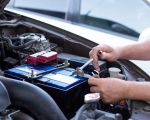
Repair steps depend on what caused the overheating. Replacing a defective radiator fan motor is one of the most effective fixes for idling-related overheating. If coolant is low due to a leak, repairing or replacing hoses or the radiator becomes essential. A stuck thermostat, once replaced, restores proper coolant circulation.
In cases where the water pump or belt system is weakened, replacing worn components protects your engine from long-term damage. After repairs, regular coolant flushes help maintain a clean system and prevent buildup that restricts flow. Many drivers schedule routine inspections through services such as Rescue & Towing, which provide reliable support when cooling system issues arise.
6. A Real Driver’s Story of Experiencing Overheating While Idling
A driver from Texas shared that her SUV overheated unexpectedly while waiting in a long fast-food drive-thru line. She noticed the temperature gauge creeping upward until steam began coming from the hood. With no tools on hand and no safe place to park, she called for professional help. The technician discovered her radiator fan motor had failed completely.
After repairs, she admitted she had previously ignored occasional temperature spikes during traffic jams. “I thought it was just the heat outside,” she said. Her experience serves as a reminder that idling overheating is often a symptom of gradual system decline—one that becomes serious only when we ignore early signs.
7. When You Should Contact a Professional Towing or Repair Service
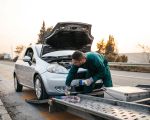
If your engine overheats more than once, shows leaking fluid, produces steam, or refuses to cool down even after shutting off, it is time to seek professional help. Cooling system failures can escalate quickly, leading to cracked engine blocks, warped heads, or complete breakdowns.
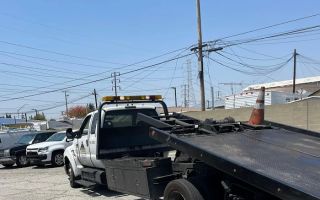
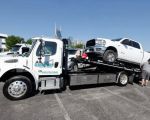
Specialized service providers like Rescue & Towing offer rapid assistance, inspections, and safe transport if your vehicle cannot be driven. Using a trusted service ensures your car receives proper diagnosis and reduces the risk of making the damage worse by continuing to operate the vehicle.
Understanding what to do if your car’s engine overheats while idling makes it easier to react calmly in stressful roadside situations. With early action, smart diagnosis, and professional support, you can keep your vehicle reliable and protect yourself from costly repairs.