- how-to-spot-a-leaking-radiator-in-your-car
- why-you-should-take-a-radiator-leak-seriously
- temporary-solutions-for-radiator-leaks-on-the-road
- when-to-call-professionals-for-help
- real-case-a-commuter-saved-by-quick-response
- how-to-prevent-future-radiator-issues
- how-rescue-towing-can-assist-in-a-radiator-emergency
1. How to Spot a Leaking Radiator in Your Car
One of the first signs your radiator might be leaking is the unmistakable sight of coolant pooling beneath your vehicle. But it’s not always that obvious. You might also notice a sweet smell under the hood, your temperature gauge creeping higher than usual, or visible steam from the engine bay. Knowing what to look for is key when you're asking, “What should I do if my car's radiator is leaking?”
Coolant usually comes in bright colors—green, orange, or pink—which makes spotting a leak easier. Check beneath the car after parking for a while. Don’t ignore even minor puddles. Radiator leaks don’t fix themselves; they escalate. Quickly recognizing the signs gives you a chance to act before engine damage sets in.
Shell
18525 N Conduit Ave, Queens, NY 11413, USA
2. Why You Should Take a Radiator Leak Seriously
When people search “what should I do if my car's radiator is leaking,” they often don’t realize the risks involved. The radiator is your engine’s primary cooling component. If it fails, the engine can overheat in minutes—leading to warped cylinder heads, cracked blocks, or even total engine failure. That kind of damage can cost thousands to repair.
Even a small leak means the coolant system can’t maintain pressure, reducing the boiling point and effectiveness of the liquid. Overheating won’t just damage your car—it can leave you stranded in dangerous conditions. Think of a radiator leak as a ticking time bomb for your engine. The longer it’s ignored, the higher the stakes.
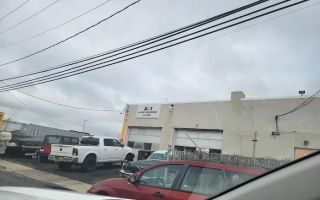
Acme Auto Radiator Incorporation
49 Carleton Ave, Islip Terrace, NY 11752, USA
3. Temporary Solutions for Radiator Leaks on the Road
If you discover a leak while driving or during a trip, don’t panic—but act fast. Here’s what you can do:
First, pull over safely and let the engine cool completely before opening the hood. Never remove the radiator cap on a hot engine; the system is pressurized and can release scalding fluid. Once cooled, check coolant levels. If they’re low, top off with coolant or even water in an emergency—but know this is temporary.
Some drivers keep radiator sealant in their trunk. It’s a quick solution that can slow or temporarily stop a leak, giving you time to reach a repair shop. However, it’s not a fix—it’s a bandage. Keep your trips short and avoid heavy acceleration until it’s professionally repaired.
4. When to Call Professionals for Help
Knowing what to do if your car's radiator is leaking includes understanding when not to DIY. If your coolant is gushing, your engine is overheating quickly, or you can’t safely drive, it’s time to call in experts. Radiators are delicate and complex; using the wrong coolant, overfilling the reservoir, or patching the wrong spot can cause more harm than good.
This is where roadside services come in. Rather than risking a breakdown—or worse—call for assistance. At Rescue & Towing, we specialize in emergency vehicle recovery and transportation. Whether you’re stuck on a city street or a remote road, we can get you and your car safely to a trusted mechanic before things escalate.
5. Real Case: A Commuter Saved by Quick Response
Last summer, a young commuter named Taylor found herself pulled over on a busy interstate with steam pouring from her car. She had searched “what should I do if my car's radiator is leaking” but realized she didn’t have the tools or knowledge to fix it herself. Luckily, she contacted Rescue & Towing.
Within 20 minutes, a technician arrived. They transported her car to a nearby garage and even helped arrange a shuttle so she could get to work. “They made what could’ve been a terrible day manageable,” Taylor said. Her radiator had a pinhole leak from corrosion, caught just in time before it caused engine damage.
This story shows that fast response and trusted help make all the difference when dealing with car emergencies.
6. How to Prevent Future Radiator Issues
Preventing radiator trouble is easier than dealing with a leak. Regularly inspect your coolant levels and check for discoloration or particles in the fluid. Flush your radiator every 30,000–50,000 miles, or as recommended by your car’s manufacturer. Rust and scale buildup reduce efficiency and can lead to cracks or corrosion.
Look over hoses and connections monthly. Soft spots, swelling, or damp areas indicate weakness. If your car overheats frequently or if your heat isn't working well in winter, your cooling system might already be under stress.
You can also install a coolant level sensor or app-based monitoring system to alert you to drops in fluid levels. For parts and accessories that help you monitor or protect your vehicle, Rescue & Towing offers carefully selected recommendations designed for real drivers and real road challenges.
7. How Rescue & Towing Can Assist in a Radiator Emergency
At Rescue & Towing, we’ve handled thousands of calls from drivers wondering what to do about a leaking radiator. We know it’s not just an inconvenience—it’s a risk to your engine, your schedule, and your safety. That’s why our services are built to respond quickly and get your vehicle where it needs to go, without the stress.
Whether you're stuck during your morning commute or facing radiator issues in the middle of a road trip, we’ve got your back. Our team offers towing, battery boosts, emergency coolant delivery, and referrals to trusted mechanics. Think of us as your first responder on the road.
If your radiator leaks, don’t guess your next step. Contact a professional, keep calm, and trust that help is just a call away—with Rescue & Towing, you’re never alone in an emergency.