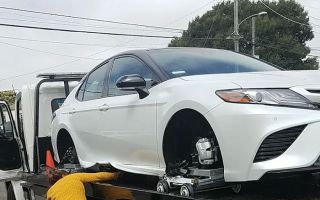
- #understanding-your-cars-wheel-bearings - function - essential-knowledge
- #signs-of-damage - noise - vibration - safety-risks
- #maintenance-and-repair - inspection - replacement - cost-considerations
- #real-life-examples - driver-stories - roadside-incidents
- #resources-for-car-owners - rescue-towing - professional-help
Understanding Your Car's Wheel Bearings
Wheel bearings are one of those car parts most drivers rarely think about until something goes wrong. Yet, they play a vital role in keeping your vehicle stable, safe, and smooth on the road. Knowing how they work, why they matter, and when they need attention can prevent dangerous situations and costly repairs down the road.

Pick Your Part - Help Yourself
1232 Blinn Ave, Wilmington, CA 90744, USA
Signs of Damage
Unusual noise from the wheels
One of the most common indicators of a failing wheel bearing is noise. Drivers often describe it as a humming, growling, or rumbling sound that becomes more noticeable as speed increases. Ignoring these early sounds could lead to more severe mechanical issues and potential safety risks.

Pick Your Part - Greer
13054 E Wade Hampton Blvd, Greer, SC 29651, USA
Vibrations while driving
Worn-out bearings can cause the steering wheel or even the whole car to vibrate. This not only makes driving uncomfortable but also compromises handling, especially at higher speeds. In extreme cases, it could feel as though the car is pulling to one side.
Potential dangers of neglect
A completely failed wheel bearing can lead to a wheel locking up or even detaching while driving. Such failures have been documented in real traffic accidents, and they serve as a serious reminder of why regular inspection and maintenance are critical. Safety should never be compromised for short-term savings.
Maintenance and Repair
Routine inspection is essential
Mechanics typically recommend inspecting wheel bearings during regular maintenance checks such as tire rotations or brake servicing. Catching early signs of wear means avoiding emergency roadside breakdowns later. Preventive care is always more affordable than emergency repair.
Replacement process and timing
Replacing wheel bearings is a technical process best left to professionals, requiring specialized tools and expertise. On average, wheel bearings can last anywhere from 75,000 to 100,000 miles, though driving conditions heavily influence their lifespan. For instance, constant driving on rough roads can shorten their durability.
Balancing cost and reliability
While some car owners try to delay repairs due to cost, it is more cost-effective to replace faulty wheel bearings promptly. The expenses are minor compared to the potential damages that could occur to suspension, tires, or the entire wheel assembly if neglected.
Real-Life Examples
Driver experiences
Take the story of a commuter who ignored a humming noise for months, only to have their wheel seize up on the highway. Fortunately, no one was hurt, but the repair cost was far higher than it would have been with early intervention. Stories like this highlight the importance of taking small signs seriously.
Unexpected breakdowns
Roadside assistance companies frequently deal with drivers stranded due to bearing-related failures. These incidents not only cause stress and delays but also expose drivers to risks on busy roads. The best prevention is a proactive approach to maintenance before issues escalate.
Resources for Car Owners
When professional help is needed
Not every driver has the skills or tools to handle wheel bearing problems. That’s where services like Rescue & Towing step in. They provide expert support, from towing a car with a failed bearing to connecting owners with trusted mechanics for timely repairs. Having a reliable partner ensures peace of mind on the road.
Building long-term car confidence
Understanding your car’s wheel bearings is about more than just mechanics; it’s about being a responsible driver. By investing in regular check-ups and knowing where to turn for help, car owners can extend the life of their vehicles and drive with greater confidence. Professional resources bridge the gap between awareness and action.