- 1 - The Role of the Oxygen Sensor in Your Vehicle
- 2 - Understanding the Heater Circuit
- 3 - Common Signs of Heater Circuit Failure
- 4 - Causes of Oxygen Sensor Heater Circuit Malfunctions
- 5 - How to Diagnose an O2 Sensor Heater Issue
- 6 - Real-World Example of an O2 Sensor Failure
- 7 - Repair and Replacement Options
- 8 - How Rescue & Towing Can Help
The Role of the Oxygen Sensor in Your Vehicle
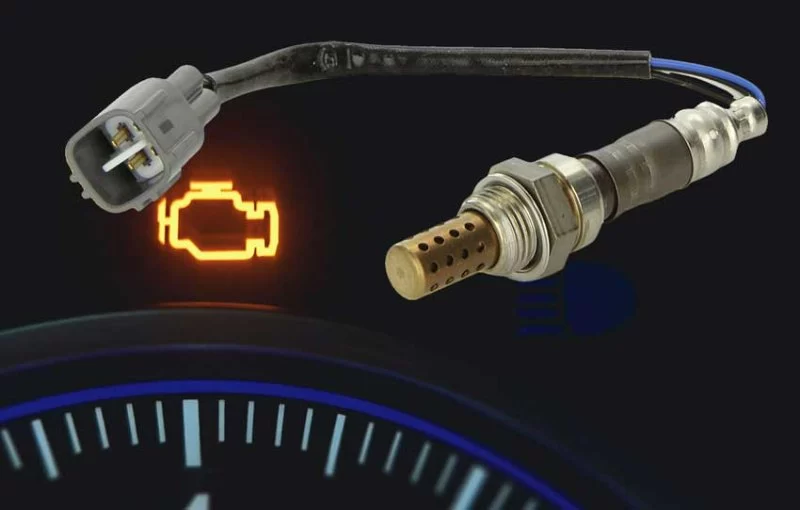
Your vehicle’s oxygen sensor — often called the O2 sensor — is a small but critical component of your car’s exhaust system. It measures the amount of oxygen in the exhaust gases and sends that data to your engine control unit (ECU). This information helps the ECU determine the proper air-to-fuel ratio for optimal performance, fuel economy, and emissions control.
When this system is working properly, your car runs smoothly and efficiently. However, if the sensor or its associated heater circuit fails, the results can include poor fuel efficiency, engine roughness, or even a failed emissions test.

United Towing Service Inc.
26170 Adams Ave, Murrieta, CA 92562, USA
Understanding the Heater Circuit
1. What It Does
The oxygen sensor’s heater circuit is designed to bring the sensor up to its optimal operating temperature quickly — usually around 600°F (315°C). This is important because an O2 sensor needs to be hot to produce accurate readings. Without the heater, it could take several minutes for exhaust heat alone to warm the sensor, especially in cold weather.

Pick Your Part - Help Yourself
1232 Blinn Ave, Wilmington, CA 90744, USA
2. How It Works
The heater circuit typically consists of a small electric heating element built inside the sensor. It receives power through a relay or directly from the ECU, depending on your vehicle model. Once the engine starts, the circuit activates, heating the sensor to its operating temperature almost immediately.
3. Why It Matters
A properly functioning heater circuit ensures your car reaches closed-loop operation faster — the point where the ECU relies on sensor feedback to control fuel injection. This means better emissions performance, smoother idling, and improved gas mileage.
Common Signs of Heater Circuit Failure
When the oxygen sensor’s heater circuit fails, it often triggers a check engine light on your dashboard. The most common diagnostic codes related to this issue include P0030, P0031, P0050, and P0051. However, you might also notice other signs such as:
- Increased fuel consumption
- Rough idle or engine hesitation
- Delayed closed-loop operation during cold starts
- Failed emissions test
- Engine running rich or lean
In many cases, your car will still run, but not efficiently. Ignoring the issue for too long can cause further damage to your catalytic converter, leading to costly repairs.
Causes of Oxygen Sensor Heater Circuit Malfunctions
1. Burned-Out Heating Element
Just like a light bulb filament, the heater element inside the O2 sensor can burn out over time due to heat cycles and wear. Once it fails, the sensor can no longer warm up properly.
2. Damaged Wiring or Connectors
The heater circuit relies on a constant electrical connection. Corrosion, melted insulation, or loose connectors can interrupt current flow. Road salt and water intrusion are frequent culprits, especially in older vehicles.
3. Blown Fuse or Faulty Relay
In some vehicles, the O2 heater is powered through a fuse or relay. A blown fuse or a bad relay can disable the circuit, even if the sensor itself is still functional.
4. ECU or Ground Issues
Occasionally, the issue isn’t with the sensor at all but with the car’s computer or grounding system. A faulty ground or ECU output failure can mimic heater circuit problems.
How to Diagnose an O2 Sensor Heater Issue
1. Scan for Trouble Codes
The first step is to connect a diagnostic scanner and check for stored fault codes. Codes in the P0030–P0051 range usually point directly to heater circuit issues. Clear the codes and see if they return after a short drive.
2. Test Electrical Connections
Use a digital multimeter to check for voltage at the O2 sensor connector. You should see 12 volts with the ignition on. If not, inspect the wiring harness and fuses. Continuity tests can help identify breaks or shorts in the circuit.
3. Check Resistance of the Heater Element
Disconnect the sensor and measure resistance across the heater terminals. Typical readings range from 3 to 15 ohms, depending on the make and model. An infinite or zero reading means the element is open or shorted — the sensor needs replacement.
Real-World Example of an O2 Sensor Failure
Jake, a driver from Arizona, noticed his check engine light come on shortly after a cold morning start. His car felt sluggish and burned more fuel than usual. A quick scan revealed a P0031 code — heater control circuit low for Bank 1, Sensor 1. After inspecting his wiring, Jake discovered a corroded connector causing poor current flow. Cleaning the contact points and replacing the damaged plug solved the issue immediately.
This real-world example shows that not all O2 sensor problems require full sensor replacement — sometimes, it’s the wiring or connector at fault. A methodical diagnosis saves time and money.
Repair and Replacement Options
1. Repairing the Circuit
If the issue lies in wiring or connectors, repairs can often be made without replacing the sensor. Cleaning, soldering, or replacing damaged sections may restore functionality.
2. Replacing the Sensor
When the heater element itself fails, replacing the sensor is the best solution. Modern O2 sensors are designed for plug-and-play installation, though it’s important to use the correct type for your vehicle’s make and model. Always clear fault codes after installation.
3. Preventive Maintenance
Regular inspection of exhaust wiring and connectors during oil changes can help prevent heater circuit issues. Keeping the undercarriage clean from salt and debris also extends sensor life.
How Rescue & Towing Can Help
At Rescue & Towing, we understand that car troubles can strike at the worst possible time. Whether your check engine light just turned on or your vehicle is showing signs of an oxygen sensor heater circuit malfunction, our experienced technicians can diagnose and repair the issue quickly. We specialize in reliable roadside assistance, towing, and expert automotive repair to get you safely back on the road.
By learning how your O2 sensor and heater circuit work, you can take proactive steps to maintain your vehicle’s performance and efficiency. Trust Rescue & Towing to help keep your car running smoothly — from diagnostics to complete sensor replacement.