- What-Is-a-Coolant-Reservoir
- How-the-Coolant-System-Works
- Common-Issues-and-Warning-Signs
- How-to-Maintain-Your-Coolant-Reservoir
- Real-World-Case-of-Coolant-Failure
- Professional-Help-from-Rescue-and-Towing
1. What Is a Coolant Reservoir?
Your car’s coolant reservoir—sometimes called the overflow tank or expansion tank—is one of the most important but often overlooked parts of your vehicle’s cooling system. It holds excess coolant fluid that expands when the engine heats up and draws it back when the engine cools down. In simpler terms, it helps regulate the temperature balance inside the engine and prevents overheating or coolant loss.
Understanding your car’s coolant reservoir is essential for keeping your engine in good shape. Without it, your car’s cooling system wouldn’t be able to handle temperature fluctuations, and you’d likely face costly repairs down the road. In many modern vehicles, this plastic container is translucent, allowing you to easily check fluid levels at a glance—no tools required.

Pick Your Part - Help Yourself
1232 Blinn Ave, Wilmington, CA 90744, USA
2. How the Coolant System Works
2.1 The role of coolant
Coolant, also known as antifreeze, is a fluid that circulates through your engine to absorb heat and prevent freezing in cold temperatures. It moves between the radiator, engine block, and coolant reservoir, ensuring the engine maintains an optimal operating temperature. This closed-loop system relies on pressure and flow to keep your vehicle running smoothly.

Pick Your Part - Greer
13054 E Wade Hampton Blvd, Greer, SC 29651, USA
2.2 The connection between radiator and reservoir
When your engine heats up, coolant expands and is pushed into the reservoir. As the engine cools, the fluid contracts and is drawn back into the radiator. This simple exchange helps prevent coolant overflow and ensures there’s always enough liquid to regulate engine heat. Without a properly functioning reservoir, the engine could lose coolant or create air pockets, leading to overheating.
2.3 The importance of pressure balance
Your car’s cooling system operates under pressure. A faulty coolant reservoir cap or a leak can disrupt this balance, causing the engine to overheat or even damage internal components. The reservoir cap acts like a pressure valve—releasing excess pressure while keeping the system sealed enough to maintain performance. It’s a small part with a big job.
3. Common Issues and Warning Signs
3.1 Low coolant levels
One of the first signs of trouble is a low coolant level in the reservoir. This can happen due to evaporation, leaks, or even a failing radiator cap. If you notice your coolant level dropping frequently, inspect for cracks in the reservoir or leaks under your vehicle. Running a car without enough coolant can lead to engine overheating and long-term damage.
3.2 Discoloration or sludge
Healthy coolant is typically green, pink, or orange depending on the type used. If the fluid appears rusty, brown, or sludgy, it’s a sign of contamination or corrosion inside the cooling system. This issue can clog the radiator and reduce heat transfer efficiency. In such cases, a professional coolant flush is necessary to restore system performance.
3.3 Steam or overheating
If you see steam rising from under the hood or your dashboard temperature gauge spikes into the red zone, pull over immediately. These are signs that the coolant isn’t circulating properly—possibly due to a cracked reservoir, airlock, or pump failure. Continuing to drive in this state can cause severe engine damage.
4. How to Maintain Your Coolant Reservoir
4.1 Check fluid levels regularly
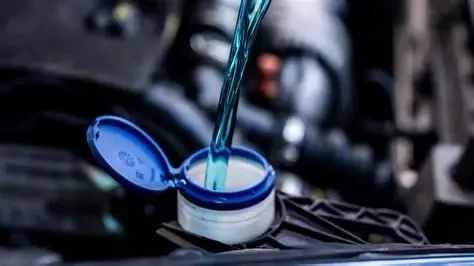
Make a habit of checking your coolant level once a month, especially before long trips or during extreme weather. Always inspect the reservoir when the engine is cold. The coolant should be between the “MIN” and “MAX” lines on the tank. If you need to add more, use the manufacturer-recommended type—mixing types can reduce performance or cause corrosion.
4.2 Inspect for cracks or leaks
Coolant reservoirs are made of durable plastic, but over time, they can become brittle and crack from heat exposure. Inspect for any visible damage, especially around the seams or hose connections. Even a small leak can lead to air entering the cooling system and cause overheating.
4.3 Replace the cap if needed
The reservoir cap is a simple but vital component. It maintains the system’s internal pressure and prevents coolant from escaping. If you notice cracks, worn seals, or coolant residue around the cap, it’s time for a replacement. A new cap costs little but can prevent major mechanical issues.
5. Real-World Case of Coolant Failure
Consider the case of a driver in Arizona who ignored a small coolant leak for months. During a summer road trip, his car began to overheat on a desert highway. Upon inspection, the coolant reservoir had cracked, causing the system to lose pressure. The repair bill? Nearly $1,200 for a new radiator and gasket. This real-world example highlights why understanding your car’s coolant reservoir—and maintaining it—is not optional. It’s crucial to preventing breakdowns and costly repairs.
In contrast, another customer who performed regular coolant checks and replaced his cap proactively kept his engine running smoothly for over 150,000 miles. Small habits like these can make a huge difference in vehicle longevity.
6. Professional Help from Rescue & Towing
If you suspect issues with your coolant reservoir or notice overheating symptoms, don’t wait until it’s too late. The professionals at Rescue & Towing specialize in helping drivers handle cooling system emergencies safely and efficiently. Their experienced technicians can inspect, repair, or replace damaged coolant reservoirs and ensure your car is road-ready.
Whether you’re stranded on the highway or simply need expert advice on coolant maintenance, Rescue & Towing is your trusted partner for reliable, fast, and knowledgeable automotive assistance. Keeping your coolant reservoir in top shape isn’t just about preventing breakdowns—it’s about protecting the heart of your vehicle: the engine.