- what-does-a-canister-vent-valve-do-in-a-car
- how-does-the-canister-vent-valve-work
- common-symptoms-of-a-faulty-canister-vent-valve
- case-study-check-engine-light-and-the-vent-valve
- how-to-maintain-and-replace-the-canister-vent-valve
- get-help-with-vent-valve-issues-at-rescue-and-towing
1. What Does a Canister Vent Valve Do in a Car?
Your vehicle’s canister vent valve is a small component with a big environmental role. It’s part of the EVAP (Evaporative Emission Control) system, which helps prevent harmful gasoline vapors from escaping into the atmosphere. Instead of releasing vapors directly, they’re stored in a charcoal canister, and the vent valve controls when they’re purged into the engine for combustion.
In other words, the canister vent valve is your car’s way of reducing emissions while maximizing fuel efficiency. It may not make your engine roar louder, but it plays a critical part in keeping your vehicle compliant with EPA regulations and running clean.

Pick Your Part - Help Yourself
1232 Blinn Ave, Wilmington, CA 90744, USA
2. How Does the Canister Vent Valve Work?
2.1 The Role in the EVAP System
When your car is running, the EVAP system monitors and controls fuel vapor flow. The canister vent valve, located near or on the charcoal canister, remains open under normal conditions to allow fresh air into the system. When the engine's computer triggers a purge cycle, the vent valve closes to create a vacuum and direct vapors into the intake manifold.

Pick Your Part - Greer
13054 E Wade Hampton Blvd, Greer, SC 29651, USA
2.2 Timing and Control
The vent valve is electronically controlled by your vehicle’s ECU (engine control unit). It opens or closes based on signals sent according to engine temperature, fuel level, and other factors. Timing is critical—an improperly timed or stuck valve can result in diagnostic trouble codes (like P0446 or P0455) and even impact engine performance.
3. Common Symptoms of a Faulty Canister Vent Valve
3.1 Check Engine Light
One of the first signs something’s wrong is the glowing orange light on your dash. A faulty canister vent valve will often trigger codes related to the EVAP system, which a mechanic can diagnose using an OBD2 scanner.
3.2 Hard Starts After Fueling
If your car suddenly struggles to start after a gas station visit, the culprit could be the vent valve. When it's stuck closed, pressure builds in the fuel tank and disrupts fuel delivery during ignition.
3.3 Strong Fuel Odor
When the canister vent valve fails to regulate vapors properly, excess fumes may leak, causing a noticeable gasoline smell around your vehicle—especially near the rear where the canister sits.
4. Case Study: Check Engine Light and the Vent Valve
Last year, a Rescue & Towing client in Arizona came in with a persistent check engine light. The scan revealed a P0456 code (EVAP leak detected—very small). After inspecting the gas cap and hoses, the tech zeroed in on the vent valve, which had seized shut due to dust buildup from off-road driving.
Once the valve was replaced, not only did the check engine light disappear, but the driver reported improved fuel economy. “It’s the small stuff you don’t see that makes all the difference,” the client shared.
5. How to Maintain and Replace the Canister Vent Valve
5.1 Preventive Maintenance Tips
While the canister vent valve isn’t a wear-and-tear item you replace regularly, it still benefits from routine inspections. Check for:
- Debris or corrosion around the vent valve area
- Proper function during emissions testing or diagnostics
- Unusual sounds or sticking behavior when the car is shut off
5.2 Replacement Guidelines
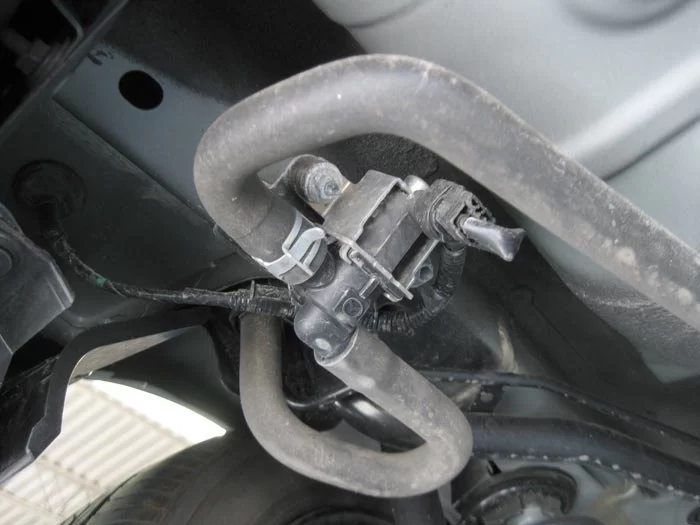
Replacing a canister vent valve is typically straightforward and cost-effective. However, location varies—some are easily accessible under the vehicle; others may be integrated into the fuel system. Always consult your vehicle’s manual or get help from a professional if unsure.
6. Get Help with Vent Valve Issues at Rescue & Towing
If your check engine light is on and you suspect the canister vent valve might be to blame, the team at Rescue & Towing can help. We provide full diagnostics, reliable repairs, and peace of mind for drivers dealing with emissions-related troubles. Our experienced technicians take the guesswork out of EVAP system issues and can recommend whether cleaning, testing, or full replacement is your best route.
Whether you're driving a daily commuter or a weekend off-roader, understanding your canister vent valve puts you one step closer to a smarter, cleaner, and more dependable vehicle experience.