- What-Is-an-ABS-Wheel-Speed-Sensor
- How-the-ABS-Wheel-Speed-Sensor-Works
- Common-Symptoms-of-a-Faulty-ABS-Sensor
- Real-Life-Examples-and-Driver-Experiences
- How-to-Diagnose-and-Replace-an-ABS-Sensor
- Maintenance-Tips-from-Rescue-and-Towing
- Why-the-ABS-Wheel-Speed-Sensor-Matters-for-Your-Safety
1. What Is an ABS Wheel Speed Sensor
The ABS wheel speed sensor is one of the unsung heroes of modern vehicle safety systems. It continuously monitors how fast each wheel is rotating and sends this information to the car’s ABS (Anti-lock Braking System) control module. This data helps the car determine whether a wheel is about to lock up during sudden braking. By preventing wheel lock, the system allows you to maintain steering control even during emergency stops.
In simple terms, the ABS wheel speed sensor acts like the car’s “eyes” on the road. Without it, the ABS system wouldn’t know when to intervene, making it crucial to your vehicle’s safety and stability.

Pick Your Part - Help Yourself
1232 Blinn Ave, Wilmington, CA 90744, USA
2. How the ABS Wheel Speed Sensor Works
2.1 The technology behind the sensor
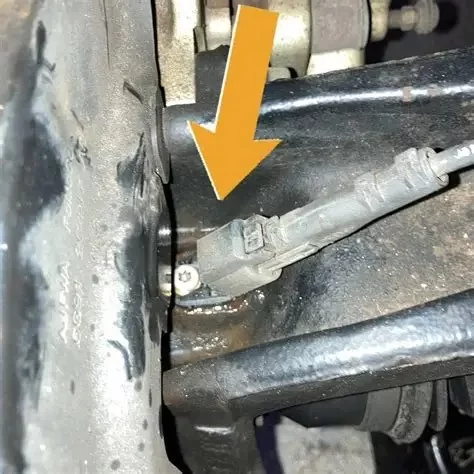
Each wheel on your car has its own sensor, typically mounted near the wheel hub. These sensors detect wheel rotation through magnetic or hall-effect technology. When the wheel turns, a tone ring or magnetic encoder passes the sensor, generating electrical signals that correspond to wheel speed. The ABS module reads these signals and compares all four wheels in real time.

Pick Your Part - Greer
13054 E Wade Hampton Blvd, Greer, SC 29651, USA
2.2 Data interpretation and brake control
When one wheel slows down faster than the others, the ABS system detects it as potential lock-up. The system immediately adjusts brake pressure on that specific wheel, helping the driver maintain control and reduce stopping distance. This process happens in milliseconds, thanks to the precise input from the wheel speed sensors.
2.3 Integration with other vehicle systems
Modern vehicles use wheel speed data beyond just ABS. It also supports traction control, electronic stability control, and even adaptive cruise control. That means a single faulty sensor can trigger multiple warning lights and cause system malfunctions across your car’s safety features.
3. Common Symptoms of a Faulty ABS Sensor
3.1 Warning lights on the dashboard
The most obvious sign of a problem is the illumination of the ABS light or the traction control light on your dashboard. These warnings indicate that the system isn’t receiving accurate wheel speed data and may be partially or completely disabled.
3.2 Inconsistent braking performance
If your brakes feel jerky or pulse unexpectedly during light braking, it could mean one sensor is sending irregular signals. You might also notice longer stopping distances or reduced steering control under hard braking.
3.3 Loss of traction control
Because the ABS sensor also feeds data to traction control, a fault can cause your car to lose stability on slippery surfaces. Drivers often report that the traction control system stops working after an ABS fault, making driving in rain or snow more challenging.
4. Real-Life Examples and Driver Experiences
Consider the case of Brian, a driver from Colorado, who noticed his ABS light flickering intermittently on his dashboard. Initially, he ignored it since the brakes still felt normal. A week later, while driving down a steep mountain road, his wheels locked during a panic stop—something that wouldn’t have happened if the ABS was functioning properly. After a check-up, mechanics found a damaged rear wheel speed sensor caused by road debris. Once replaced, his system worked flawlessly again.
Stories like Brian’s remind us that even small components can have major safety implications. Many clients who visit Rescue & Towing report similar experiences where diagnosing a simple ABS sensor issue prevented bigger and costlier repairs later on.
5. How to Diagnose and Replace an ABS Sensor
5.1 Diagnostic steps
Diagnosing an ABS sensor issue starts with a scan tool that reads ABS-specific trouble codes. These codes indicate which wheel’s sensor is malfunctioning. Mechanics then visually inspect the sensor and wiring harness for damage, corrosion, or debris buildup around the tone ring.
5.2 Replacing the sensor
Replacing a faulty ABS sensor is often straightforward. After safely lifting the vehicle, the old sensor is unplugged and removed from its mounting bracket. The new sensor is then installed, ensuring a clean and secure connection. After replacement, the mechanic clears the error codes and test-drives the vehicle to confirm proper operation.
5.3 The importance of professional service
Although some car enthusiasts attempt DIY sensor replacement, professional inspection from experts like Rescue & Towing ensures that the repair is done correctly. They not only replace the sensor but also check for underlying causes—like damaged tone rings or wiring faults—that could trigger the same issue again.
6. Maintenance Tips from Rescue & Towing
6.1 Keep your sensors clean
Since wheel speed sensors are exposed to dust, mud, and water, regular cleaning can help extend their lifespan. During tire rotations or brake service, ask your mechanic to inspect and clean the sensor area to prevent buildup that could interfere with readings.
6.2 Pay attention to warning lights
Never ignore ABS or traction control warnings. These indicators are the car’s way of telling you something is wrong. Getting them checked early by a trusted service provider like Rescue & Towing can prevent expensive repairs later.
6.3 Schedule periodic system checks
Even when no warning lights are on, periodic brake system inspections ensure that all sensors and electrical connections are working properly. Preventive maintenance is always cheaper—and safer—than emergency repairs after a failure.
7. Why the ABS Wheel Speed Sensor Matters for Your Safety
7.1 The link between control and confidence
Your ABS wheel speed sensor gives your vehicle the ability to adapt to real-world driving conditions instantly. Whether it’s a sudden downpour or an icy road, accurate data from this sensor allows your braking system to respond intelligently. The difference between functioning and failing ABS could be the difference between a near miss and a collision.
7.2 A small part with a big responsibility
Though it’s a small, inexpensive component, the wheel speed sensor plays a massive role in modern car safety. It directly impacts braking efficiency, traction, and overall stability—three things no driver should compromise on. With proper maintenance and timely replacement, you can keep your ABS system performing at its best.
7.3 Professional help you can trust
For drivers who experience ABS-related issues, Rescue & Towing offers reliable inspection, diagnosis, and repair services. Their team understands how critical your braking system is and ensures that every sensor, wire, and connection is functioning safely. Trusting experts not only restores safety but also gives drivers peace of mind every time they hit the road.