- 1 - What Is Transmission Fluid?
- 2 - How to Check Transmission Fluid
- 3 - When to Replace Transmission Fluid
- 4 - Why Transmission Fluid Matters
- 5 - Signs That Your Transmission Fluid Needs Attention
- 6 - How Rescue & Towing Can Help with Transmission Services
1. What Is Transmission Fluid?
Transmission fluid is a vital component of your vehicle's transmission system. It lubricates the moving parts inside the transmission, reduces friction, and helps in the proper shifting of gears. Without sufficient transmission fluid, your car's transmission system could overheat or even suffer damage, leading to costly repairs.
In automatic transmissions, fluid also serves the purpose of acting as a hydraulic fluid, which helps in the operation of the gears. It plays a critical role in cooling the transmission and keeping the system functioning smoothly. There are different types of transmission fluids, including standard, synthetic, and high-performance fluids, each suited to specific vehicles and conditions.

Discount Transmission
14401 Hillside Ave., Jamaica, NY 11435, USA
2. How to Check Transmission Fluid
Checking your transmission fluid is an essential maintenance task to ensure your vehicle’s transmission runs smoothly. Here’s a simple guide on how to do it:
- Start Your Car: Make sure the engine is running and the car is in park or neutral. This helps ensure the fluid is circulating through the system.
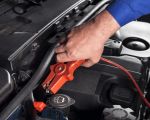
- Locate the Dipstick: Most cars with automatic transmissions have a dipstick for the transmission fluid. It is usually located near the back of the engine bay, often marked with a bright handle.
- Pull Out the Dipstick: Remove the dipstick, wipe it clean with a cloth, and reinsert it completely into the tube. Then pull it out again to check the fluid level.
- Check the Fluid Level: The fluid should be within the marked range on the dipstick. If the level is low, you’ll need to add more transmission fluid.
- Check the Fluid’s Condition: Transmission fluid should be clear or pinkish in color. If it appears dark or has a burnt smell, it may be time to replace it.
Regularly checking your transmission fluid can prevent problems before they escalate, helping you keep your vehicle in optimal condition.
US Smog Check
14452 Pipeline Ave, Chino, CA 91710, USA
3. When to Replace Transmission Fluid
Transmission fluid doesn’t last forever. Over time, it can break down due to heat and friction, losing its effectiveness. The general recommendation is to replace the transmission fluid every 30,000 to 60,000 miles, depending on your vehicle’s make and model. However, some modern cars with synthetic fluids may go longer between fluid changes.
It’s also important to follow your vehicle’s manufacturer guidelines for fluid replacement intervals. Some signs that it may be time to replace the transmission fluid include:
- Difficulty shifting gears
- Unusual noises, such as whining or grinding
- Delayed or rough shifting
- Dark or burnt-smelling fluid
Ignoring the need to replace old or degraded transmission fluid can lead to overheating, poor performance, or even a complete transmission failure.
4. Why Transmission Fluid Matters
Transmission fluid is crucial because it ensures the smooth operation of the transmission system, which is responsible for changing gears and transferring power from the engine to the wheels. Without adequate lubrication, the moving parts within the transmission can wear down quickly, leading to expensive repairs or even complete transmission failure.
Moreover, the fluid’s ability to cool the transmission helps prevent it from overheating, which could otherwise lead to severe damage. Proper fluid levels and clean, effective transmission fluid contribute directly to the overall longevity and performance of your vehicle’s transmission, making it an essential aspect of vehicle maintenance.
5. Signs That Your Transmission Fluid Needs Attention
If you notice any of the following symptoms, your transmission fluid may need to be checked or replaced:
- Slipping Gears: If your car is slipping out of gear, it could be a sign that your fluid is low or the fluid needs replacing.
- Rough Shifting: Hard or jerky shifts, especially when moving between gears, may indicate insufficient or degraded transmission fluid.
- Burnt Smell: A burnt smell is a strong indicator that the transmission fluid is overheated or has broken down.
- Unusual Noises: Grinding or whining sounds from the transmission often suggest a problem with the fluid or other internal components.
- Warning Lights: Some vehicles have a dedicated transmission temperature light, which may illuminate when the fluid is too hot or low.
If you notice any of these signs, it's important to address the issue promptly to avoid more serious transmission damage.
6. How Rescue & Towing Can Help with Transmission Services
At Rescue & Towing, we understand how important it is to maintain the health of your vehicle's transmission. If you're experiencing issues with your transmission fluid, such as rough shifting or overheating, our expert technicians are here to help. We offer fluid checks, replacements, and other transmission-related services to ensure that your car runs smoothly and reliably.
Whether you need emergency towing services or want to schedule routine maintenance for your transmission, Rescue & Towing is your trusted partner for all your vehicle needs. Visit us today for top-notch service and expert advice on maintaining your transmission fluid and other essential car fluids.