Towing Services for Vehicles That Won’t Start: A Complete Guide

Published on Jan 24, 2026
Towing Services for Vehicles That Won’t Start: A Complete Guide

Towing Services for Vehicles That Won’t Start: What You Need to Know

1. Understanding the Problem: Why Your Vehicle Won’t Start

I’ve been there before. You’re all set to head out, and when you turn the key or push the start button, nothing happens. Your car refuses to start, and you're left stranded, trying to figure out what went wrong. Vehicles not starting can be caused by a range of issues, and it’s important to understand the common culprits. A dead battery is one of the most frequent reasons a car won’t start. If the battery has run out of charge or is damaged, your car simply won't have the power to start the engine. Another common issue could be a faulty alternator, which is responsible for keeping the battery charged while the engine is running. If the alternator fails, the battery may not be charged properly, leading to starting problems. Sometimes, it’s a fuel system issue—either the fuel pump isn't working, or the fuel filter is clogged, preventing the engine from getting the fuel it needs to start. Other causes include ignition system failures, bad spark plugs, or issues with the starter motor. Knowing what might be wrong is important for figuring out the best way to resolve the issue. But if you’re unable to diagnose the problem on your own, that’s when a reliable towing service comes into play.

2. When to Call a Towing Service

You might be able to troubleshoot the issue yourself—checking the battery or attempting a jump-start—but if that doesn’t work, or if you don’t feel comfortable handling the situation, it’s time to call for professional help. Here are some situations where you should definitely consider calling a towing service: 1. Dead or Drained Battery: If your battery is dead and you don’t have jumper cables or another car to give you a jump-start, a tow truck can transport your car to a mechanic or a nearby location where it can be fixed. 2. Starter Motor Issues: When the starter motor fails, it’s usually best to have the vehicle towed to a mechanic for repairs since starter motor issues can prevent the car from starting entirely. 3. Fuel System Problems: If your car is not getting fuel due to an issue with the fuel pump or filter, it might be unsafe to drive it any further. A tow service can transport it to the nearest repair shop. 4. Electrical Issues: Electrical problems can be tricky, and diagnosing them on the spot isn’t always possible. If your car’s electrical system is malfunctioning, it’s best to have it towed to a professional. 5. Lack of Knowledge or Tools: If you’re stuck on the side of the road and don't have the tools or knowledge to fix the problem, calling for a towing service is your best option.

3. Types of Towing Services for Vehicles That Won’t Start

Not all towing services are the same, and understanding the options available can help you choose the right one based on your needs. Here are some of the most common types of towing services offered:

3.1. Flatbed Towing

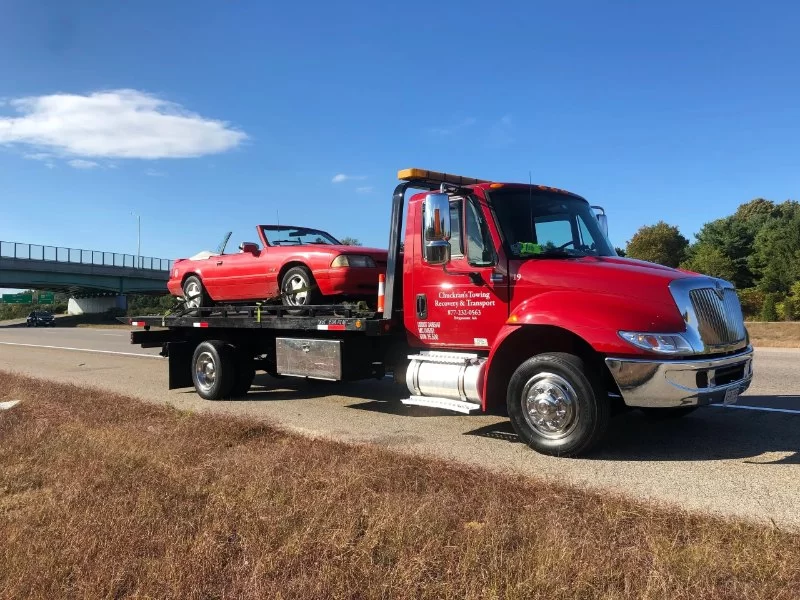
Flatbed towing is often the best option for a car that won’t start. With this method, your car is loaded onto a flatbed truck, ensuring that no damage occurs to your vehicle during transport. It’s especially useful for vehicles that cannot be driven due to engine or transmission issues.

3.2. Wheel-Lift Towing

Wheel-lift towing is a common method where only the wheels of your car are lifted while the rest of the vehicle stays on the ground. This is effective for short distances and when you need a quick tow to a nearby mechanic. However, it’s not the best option for cars with severe damage that could worsen by dragging them on the ground.

3.3. Tow Dolly

A tow dolly is another method where only two wheels of the vehicle are lifted. This is typically used for smaller cars and can be a cost-effective solution if your car is not starting and needs to be transported over a short distance.

4. The Tow Truck Driver’s Role: What Happens During the Tow?

When you call for a towing service, you’ll typically be speaking with a dispatcher who will ask for details about your vehicle’s condition. Once a tow truck arrives, the driver will assess the situation and determine the best approach for moving your car. If your vehicle is not running, the driver may use special equipment to safely lift and secure your car. They’ll then transport it to a nearby auto repair shop or a designated location where it can be further assessed and repaired. In some cases, if you’re close to home or a trusted repair shop, the driver may recommend delivering the car directly to that location. If the issue is simple, they may even offer to perform a jump-start on-site, allowing you to get your car started without needing a tow.

5. How to Choose the Right Towing Service for Your Needs

When looking for a towing service, you want to make sure you’re choosing one that is reliable, professional, and equipped to handle your specific situation. Here are some things to consider: 1. Response Time: A towing service that offers fast response times is crucial, especially if you’re stranded in an unsafe area. Make sure the company offers 24/7 service so you can rely on them at any time of day or night. 2. Experience and Reputation: Look for a company with years of experience in the towing industry. Check reviews and ask for recommendations to ensure you’re working with a reputable service provider. 3. Service Options: Choose a towing service that offers a range of services, including flatbed towing, roadside assistance, jump-starts, and emergency towing. The more flexible they are, the better suited they’ll be to handle your specific needs. 4. Pricing: While towing services can be pricey, it’s important to understand the costs involved upfront. A trustworthy towing company will give you a clear estimate before any work is done. 5. Insurance Coverage: Always check if the towing company has insurance coverage to protect your vehicle during transport. This can give you peace of mind knowing your car is covered in case of any accidents or damage.

6. What Happens After the Tow?

Once your vehicle has been towed to the repair shop or your designated location, the next step is to figure out the cause of the issue. A professional mechanic will inspect your vehicle and determine what repairs are needed. If the issue is a simple one, like a dead battery, they may be able to fix it on the spot. If it’s something more complicated, such as a fuel system issue or starter motor failure, they’ll provide a detailed estimate of the required repairs. In the best-case scenario, your vehicle will be up and running again in no time. However, if repairs take longer, some towing companies may offer rental cars or other assistance options to help you get back on the road.

Auto Repair Shops Near Me

Recommended

Car Audio System Setup and Tuning Tips for Optimal Sound

Car Audio System Setup and Tuning Tips for Optimal Sound

Learn how to set up and tune your car audio system for the best in-car sound. Discover expert tips, personal experiences, and practical adjustments to optimize your vehicle stereo.

Apr 02, 2026
Common Car Cooling System Problems and Solutions

Common Car Cooling System Problems and Solutions

Learn about common car cooling system problems and their solutions. Understand how to diagnose issues with your car's radiator, coolant system, and overheating problems, and how to fix them for a smooth ride.

Mar 31, 2026
Preventing Sidewall Damage to Your Car Tires: Key Tips for Long-Lasting Tires

Preventing Sidewall Damage to Your Car Tires: Key Tips for Long-Lasting Tires

Learn how to prevent sidewall damage to your tires with these essential tips for tire care and maintenance. Discover the best practices for extending the life of your tires.

Mar 30, 2026

Essential Tips for Safe and Efficient Car Refueling

Essential Tips for Safe and Efficient Car Refueling

Learn how to refuel your car safely and efficiently with these essential tips. From avoiding overfilling to maintaining fuel efficiency, ensure your refueling process is hassle-free and safe.

Mar 29, 2026

What to Do When You Lose Your Car Keys: Step-by-Step Guide

What to Do When You Lose Your Car Keys: Step-by-Step Guide

Learn what to do when you lose your car keys. Step-by-step guide to help you handle a car lockout, find spare keys, and contact locksmith or roadside assistance for help.

Mar 28, 2026

How to Properly Use Car Emergency Tools: Stay Safe and Prepared on the Road

How to Properly Use Car Emergency Tools: Stay Safe and Prepared on the Road

Learn how to properly use car emergency tools for safe driving. Discover essential car tools for roadside emergencies and how to handle common breakdown situations.

Mar 27, 2026