
- importance-of-roadside-repair-safety
- preparation-before-roadside-repairs
- safe-practices-during-roadside-repairs
- real-life-examples-and-lessons
- when-to-call-professional-roadside-assistance
1. The Importance of Roadside Repair Safety
When your vehicle unexpectedly breaks down on the roadside, the situation can quickly become stressful and dangerous. Understanding roadside repair safety is crucial for protecting yourself and others around you. According to traffic safety experts, many accidents happen because drivers or passengers attempt roadside repairs without taking proper safety precautions.
Roadside repairs involve working close to traffic, often on busy roads or highways. The risks range from being hit by passing vehicles to improper handling of tools or vehicle parts, which can cause injury or worsen the vehicle's condition. Therefore, grasping essential safety tips before performing any emergency roadside repairs not only safeguards your well-being but also prevents secondary accidents.
In this article, we will walk you through detailed and practical advice on how to perform roadside repairs safely, including preparation, on-the-spot practices, and guidance on when to seek professional help.
California Roadside Service
1426 S Allec St, Anaheim, CA 92805, USA
2. Preparation Before Roadside Repairs: Setting the Stage for Safety
Effective safety starts before you even open the hood. Preparing yourself and your vehicle ahead of time can drastically reduce the risks involved in roadside repairs. Here are the key considerations:

AJ's Auto Glass & Detailing
4404 S 84th St, Omaha, NE 68127, USA
2.1 Carry Essential Safety and Repair Equipment
Having a well-stocked emergency kit in your vehicle is a foundational step. This kit should include reflective warning triangles or flares, a high-visibility safety vest, a reliable flashlight with extra batteries, basic tools like a wrench and screwdrivers, and a portable tire inflator. These items allow you to alert other drivers and work safely even in low-light conditions.
2.2 Choose a Safe Location to Stop
Whenever possible, pull over to a wide shoulder or a designated emergency lane away from traffic. Avoid stopping just beyond a curve or on a hill where approaching drivers cannot see you in time. If you’re on a busy highway, try to exit to a safer area before attempting repairs.
2.3 Notify Others of Your Situation
Before starting any roadside repair, inform someone about your situation—whether it’s a friend, family member, or roadside assistance service. Letting others know your exact location and condition enhances your safety and ensures help can find you quickly if needed.
3. Safe Practices During Roadside Repairs: Protect Yourself Step by Step
Once you have prepared and chosen a safe spot, the way you conduct repairs is equally important. Follow these detailed practices to ensure maximum safety:
3.1 Use Warning Signals to Alert Traffic
Set up reflective triangles or flares at recommended distances behind your vehicle—typically 50 to 100 feet depending on road conditions. This early warning gives oncoming drivers time to slow down or change lanes, reducing the risk of collisions.
3.2 Wear High-Visibility Clothing
Always put on a reflective safety vest before exiting your vehicle. Even during the day, bright and reflective clothing makes you far more noticeable, especially to distracted drivers.
3.3 Work on the Side Away from Traffic
When inspecting or fixing your vehicle, stay on the side furthest from moving traffic. This small adjustment can be lifesaving if a vehicle veers off the road.
3.4 Limit Time Spent on Repairs
Quick fixes are better than extensive repairs on the roadside. If the problem cannot be fixed within minutes, it’s safer to call professional roadside assistance to avoid prolonged exposure to traffic hazards.
3.5 Use Proper Tools and Techniques
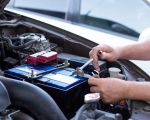
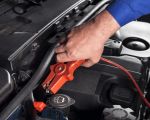
Using the right tools helps prevent accidents caused by slipping wrenches or sharp edges. Familiarize yourself with your vehicle’s basic repair needs, such as changing a tire or jump-starting a battery, so you can perform these tasks confidently and safely.
4. Real-Life Examples and Lessons Learned from Roadside Repairs
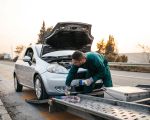
Consider the story of Jane, who once experienced a flat tire while driving late at night on a busy interstate. She quickly pulled over to the shoulder, but without reflective triangles, she was nearly struck by a passing truck. From this experience, she learned the importance of having visible warning devices and now always keeps a full safety kit in her car.
Another example involves Mike, who attempted to fix a broken fan belt on the side of a highway without turning off the engine or parking on a stable surface. His hands slipped, causing minor injuries and making the repair more complicated. This incident highlights why preparation, such as stabilizing the vehicle and engine shutdown, is critical before starting roadside repairs.
These real-world stories emphasize that roadside repair safety is not just about knowledge but also about respecting the dangers and planning accordingly.
5. Knowing When to Call Professional Roadside Assistance
While basic knowledge of safe roadside repairs is invaluable, there are times when calling professionals is the smartest and safest choice. Complex mechanical failures, hazardous locations, or nighttime breakdowns often require expert help.
Our recommendation is to trust your judgment—if you feel unsafe, unsure, or unable to complete the repair quickly, contact roadside assistance services. Companies like Rescue & Towing specialize in providing prompt and safe support, ensuring you and your vehicle are protected without unnecessary risk.
Moreover, professional services come equipped with advanced tools and trained personnel to handle emergencies efficiently, saving you time, stress, and potential injury.