- understanding-cold-road-dangers
- vehicle-preparation-for-winter-conditions
- driving-behaviors-in-extreme-cold
- emergency-response-and-roadside-safety
- real-life-incidents-and-what-we-learn
- where-to-find-help-when-you-need-it
1. Understanding Cold Road Dangers: More Than Just Ice
When temperatures plummet and roads begin to freeze, driving becomes more than just a commute—it becomes a calculated risk. One of the biggest misconceptions is that all ice is visible. In fact, black ice, the nearly invisible and incredibly slippery layer that forms when temperatures hover around freezing, causes countless accidents each winter. Recognizing this hazard is the first step to avoiding it.
Many drivers also underestimate the effect of freezing temperatures on braking time, steering sensitivity, and tire grip. Even vehicles with advanced traction control systems can slide when the road is coated in invisible frost. Understanding these dangers helps build the foundation for safer winter driving practices.

Expert Auto Care
2991 Grace Ln #4, Costa Mesa, CA 92626, USA
2. Vehicle Preparation for Winter Conditions: Don’t Leave It to Luck
2.1 Tires: Your First Line of Defense
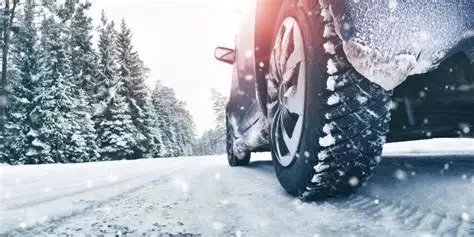
Winter tires aren’t just a marketing gimmick—they’re a lifesaver. The rubber compounds used in winter tires remain flexible in cold weather, improving grip and braking response. If you’re still using all-season tires in sub-zero temperatures, you’re compromising safety. Make sure your tires have at least 6/32" of tread depth for optimal traction.
California Roadside Service
1426 S Allec St, Anaheim, CA 92805, USA
2.2 Essential Maintenance and Checks
Cold weather puts extra strain on your vehicle’s battery, fluids, and belts. Before heading out in extreme cold, ensure the battery is fully charged and coolant is topped off. Windshield washer fluid should be rated for below-freezing temperatures, and your wiper blades should be clean and crack-free. It’s also a smart move to keep your fuel tank at least half full to prevent condensation from freezing in the tank.
2.3 Winter Emergency Kit
Prepare for the worst-case scenario by carrying a winter emergency kit. This should include a blanket, flashlight, jumper cables, tire chains, snacks, water, and a portable phone charger. These items may seem excessive—until you’re stuck on a rural road with no cell signal and falling temperatures.
3. Driving Behaviors in Extreme Cold: Adapt, Don’t React
3.1 Slow and Steady Wins the Drive
Speed limits are set for ideal conditions. On icy roads, they become suggestions at best. Slowing down, accelerating gently, and braking early are essential habits. Avoid sudden maneuvers like sharp turns or abrupt stops. If your car begins to skid, steer gently in the direction you want to go and avoid slamming on the brakes.
3.2 Use Headlights Wisely
Even during daylight, poor visibility caused by snow or fog can increase crash risk. Use low-beam headlights to improve visibility and ensure other drivers see you. Never use high beams in snow or fog, as they reflect back and reduce your visibility.
3.3 Give Trucks and Snowplows Space
Snowplows and salt trucks move slower for a reason—they’re clearing paths for everyone else. Don’t crowd or pass them on the right. Maintain a good following distance and be patient. Their efforts may be the reason you reach your destination safely.
4. Emergency Response and Roadside Safety
4.1 What to Do If You Get Stuck
If your vehicle slides into a ditch or snowbank, don’t panic. First, make sure you and your passengers are safe and visible. Turn on hazard lights and remain inside if the outside conditions are harsh. Use emergency flares or reflective triangles if available.
In extremely cold conditions, leaving your vehicle can be dangerous. Run the engine intermittently for warmth, but ensure the exhaust pipe is clear of snow to avoid carbon monoxide buildup. That’s why having an emergency blanket and food is essential.
4.2 Calling for Help
If you're in a service area, call roadside assistance. But in remote areas, professional help may take longer. That’s when services like Rescue & Towing come in handy. They specialize in cold-weather vehicle recovery and can guide you through the safest steps while help is on the way.
5. Real-Life Incidents and What We Learn
In early January, a family in northern Minnesota slid off a frozen rural road late at night. With no phone reception, they relied on their emergency supplies, stayed in the car, and used layered blankets to keep warm until morning. This real-life scenario underscores the importance of preparation, not just for yourself but for your passengers as well.
On the other hand, another driver ignored tire warnings and continued to use worn all-seasons during an icy storm. He lost control on a bridge and spun into oncoming traffic. Thankfully, no one was seriously hurt—but the car was totaled, and the incident could have been avoided with proper winter tires.
6. Where to Find Help When You Need It
Cold-weather driving demands more than just common sense—it requires foresight and access to the right resources. When you’re in need of trusted roadside assistance, emergency towing, or cold-weather car care, Rescue & Towing offers reliable support designed for extreme conditions.
Their team understands the urgency of cold-weather vehicle issues and offers services that go beyond simple tows, including battery jumps, lockout assistance, and safe recovery from ice-covered ditches. Whether you're a commuter or a long-haul driver, knowing there's a dependable team on standby offers peace of mind in the harshest environments.