- 1 - Understanding the Dangers of Wet Roads
- 2 - Preparing Your Vehicle Before Driving in Wet Conditions
- 3 - Adjusting Your Driving Techniques for Rainy Roads
- 4 - How to Prevent and Handle Hydroplaning
- 5 - Real-Life Driving Scenarios: Lessons from the Road
- 6 - When to Seek Professional Help and Roadside Assistance
- 7 - Stay Safe with Help from Rescue & Towing
1. Understanding the Dangers of Wet Roads
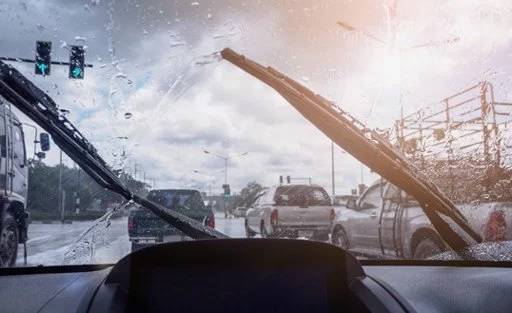
Driving in heavy rain or through flooded areas requires heightened awareness and preparation. Wet roads drastically reduce tire traction, making it harder for vehicles to stop or turn safely. When rain first begins to fall, oils on the road surface mix with water, creating a slick layer that can turn highways into hazards. Understanding these risks is the first step in learning tips for safe driving in very wet conditions.
According to safety experts, a significant number of accidents occur within the first ten minutes of rainfall, when roads are most slippery. Drivers who underestimate these conditions often lose control due to poor visibility, hydroplaning, or overcorrecting when skidding. Awareness and caution are crucial.
AutoZone Auto Parts
5701 Broadway, Bronx, NY 10463, USA
2. Preparing Your Vehicle Before Driving in Wet Conditions
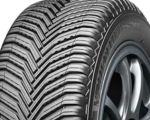
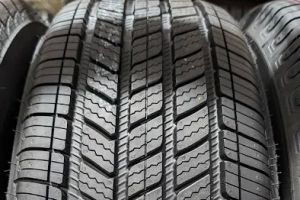
Before venturing out during bad weather, ensure your vehicle is road-ready. Start by checking your tire tread depth—worn tires are one of the leading causes of accidents in rain. A tread depth of at least 4/32 of an inch is recommended for safe traction. Proper tire inflation is equally important since under-inflated tires can cause uneven grip on wet surfaces.
Make sure your windshield wipers are functioning properly and that your washer fluid is full. Clean your headlights and taillights to maximize visibility for both you and other drivers. If your car has automatic headlights, ensure they activate correctly during reduced light conditions. Taking these small but vital precautions can significantly improve safety before you even start the engine.
Costco Tire Center
1250 Old Country Rd, Westbury, NY 11590, USA
3. Adjusting Your Driving Techniques for Rainy Roads
Once on the road, your driving style must adapt to the conditions. Slow down—speed limits are set for dry pavement, not slick surfaces. Increasing your following distance from two seconds to at least four gives you extra time to react if the car in front stops suddenly. Avoid abrupt steering and braking; instead, use smooth, gradual movements to maintain traction.
Always keep both hands on the wheel and focus on the road ahead. Use lower gears when descending hills to avoid braking too hard. Avoid using cruise control in heavy rain—it can reduce your ability to sense and react to changing traction. These safe driving tips for very wet conditions can help you stay in control when visibility is poor and road grip is limited.
4. How to Prevent and Handle Hydroplaning
Hydroplaning occurs when your tires lose contact with the road and ride on top of a thin layer of water. This can happen even at speeds as low as 35 mph, especially when tires are worn or water is pooling on the road. To prevent hydroplaning, maintain slower speeds, avoid sudden lane changes, and drive in the tire tracks of the vehicle ahead where the water has already been displaced.
If your vehicle does hydroplane, stay calm—don’t slam on the brakes or jerk the wheel. Ease off the accelerator gently and steer in the direction you want to go. Once your tires regain traction, you can carefully correct your course. Knowing these steps in advance is one of the most effective tips for safe driving in very wet conditions that can save lives.
5. Real-Life Driving Scenarios: Lessons from the Road
Take the story of Jennifer, a young driver in Oregon who learned firsthand the importance of caution during a rainstorm. While commuting home, her car began hydroplaning on a curve. Remembering what she had read about wet-weather driving, she stayed calm, took her foot off the gas, and kept steering straight. Her car slowed, regained traction, and she avoided what could have been a serious crash.
Stories like Jennifer’s emphasize that quick reflexes aren’t enough—knowledge and preparedness are what keep drivers safe. Every driver can learn from these real-world examples and apply them during their own rainy commutes.
6. When to Seek Professional Help and Roadside Assistance
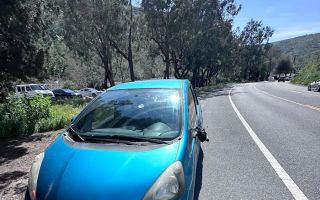
Sometimes, even with the best preparation, the weather can overwhelm your vehicle. If your car stalls in deep water or your visibility drops to zero, it’s safest to pull over and wait for conditions to improve. Never attempt to drive through standing water—you can’t always tell how deep it is, and vehicles can lose power or even be swept away.
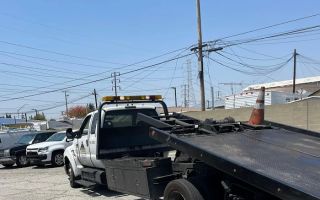
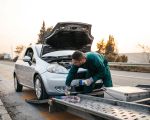
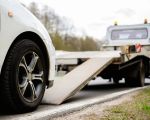
If you find yourself stranded or unable to continue safely, professional help is just a call away. The experts at Rescue & Towing are trained to handle emergencies in extreme weather conditions. From roadside assistance to towing services, they ensure that help arrives quickly, no matter how wet the road gets.
7. Stay Safe with Help from Rescue & Towing
Driving in very wet conditions doesn’t have to be intimidating when you’re equipped with the right knowledge and habits. From preparing your vehicle to mastering wet-road techniques, every precaution counts. Remember, staying safe means thinking ahead—slow down, stay alert, and don’t hesitate to seek help when needed.
Whether it’s advice on handling hydroplaning or emergency support during a storm, Rescue & Towing is your trusted partner on the road. With the right mindset and assistance, you can turn even the stormiest drive into a safe journey home.