- Understanding Wet Driving Conditions
- Preparing Your Vehicle for Wet Conditions
- Tips for Safe Driving in Rain
- Dealing with Hydroplaning
- When to Seek Help
Understanding Wet Driving Conditions
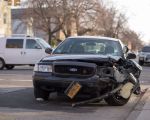
Driving in very wet conditions, such as heavy rain, flooded streets, or slick roads after a downpour, can be challenging and dangerous. Wet driving conditions reduce traction, impair visibility, and increase the likelihood of accidents. Understanding how water affects your vehicle’s performance and the road conditions is crucial for staying safe.
Water can create a thin layer of film between your tires and the road surface, making it more difficult for the tires to grip. As a result, your car may slide, skid, or lose control more easily. Additionally, when it rains heavily, visibility can be significantly reduced, making it harder to judge distances or see other vehicles, road signs, and obstacles in your path.

AJ's Auto Glass & Detailing
4404 S 84th St, Omaha, NE 68127, USA
Preparing Your Vehicle for Wet Conditions
Before heading out on wet roads, it’s essential to ensure that your vehicle is prepared for the conditions. Regular maintenance and checks can help prevent accidents and ensure optimal performance in rainy weather.
AJ's Auto Glass & Detailing
4404 S 84th St, Omaha, NE 68127, USA
1. Check Your Tires
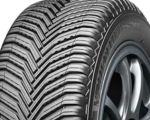
Your tires are your primary point of contact with the road, so it's essential to check their tread depth and condition. Tires with low tread can easily hydroplane, losing grip on the road. Make sure your tires have adequate tread and are properly inflated. Consider replacing them if they are worn out or damaged, as this is critical for maintaining traction in wet conditions.
2. Check Wipers and Lights
Ensure that your windshield wipers are in good working condition and replace them if necessary. Worn wipers can leave streaks or fail to clear the windshield effectively, making it difficult to see in heavy rain. Also, check your headlights, taillights, and brake lights to ensure they’re functioning properly, as visibility is key when driving in rainy weather.
3. Check Your Brakes
Brakes that respond well in dry conditions may not work as efficiently on wet roads. Make sure your brake pads are in good condition and that your vehicle's braking system is properly maintained. This will help you avoid accidents if you need to stop suddenly.
Tips for Safe Driving in Rain
Once you’ve ensured that your vehicle is ready for the wet conditions, it’s time to adopt safe driving practices to keep yourself and others safe on the road. Follow these tips to enhance your safety while driving in heavy rain:
1. Reduce Speed
One of the most important tips for safe driving in wet conditions is to reduce your speed. Wet roads reduce traction, and driving too fast can lead to a loss of control. Driving at a slower speed allows you to react more quickly to unexpected obstacles, puddles, or other vehicles on the road. Always follow posted speed limits and adjust your speed according to the weather conditions.
2. Increase Following Distance
When driving in rain, it’s important to give yourself more space between your vehicle and the one in front of you. Wet roads increase stopping distances, so you’ll need more time to react if the vehicle ahead suddenly brakes. Aim to maintain at least a 4-second following distance, which can provide you with a safer buffer in case of sudden stops.
3. Use Low Beams
Using high beams in heavy rain can cause the light to reflect off the water droplets, making visibility worse. Instead, use your low beams to reduce glare and improve your ability to see the road ahead. Ensure that your headlights are always on when driving in rain, even if it’s not dark yet, as this will make you more visible to other drivers.
4. Avoid Puddles
Try to avoid driving through puddles as they can hide hazards, such as debris, potholes, or even deeper water that could cause your car to stall or get stuck. If you can’t avoid a puddle, slow down before entering it and avoid making sudden turns or stops. Always drive cautiously when you can't see the road under the water.
Dealing with Hydroplaning
Hydroplaning occurs when your tires lose contact with the road due to a thin layer of water, causing your car to skid or slide uncontrollably. This can happen at speeds as low as 35 mph in heavy rain. To reduce the chances of hydroplaning:
1. Stay Calm
If you feel your car start to hydroplane, don’t panic. Avoid slamming on the brakes, as this can make things worse. Instead, gently ease off the accelerator to reduce your speed. Steer in the direction you want the front of the car to go, and avoid making sharp turns or jerky movements.
2. Maintain Steady Speed
Maintaining a steady, controlled speed can help reduce the likelihood of hydroplaning. Avoid accelerating quickly or braking abruptly, as this can make it harder to maintain control of your vehicle.
When to Seek Help
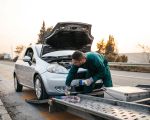
Sometimes, even with the best precautions, you may find yourself in a difficult situation while driving in wet conditions. If you find yourself in a position where you feel unsafe or your vehicle becomes immobilized, it’s important to seek help. Don’t hesitate to call a professional towing service if you’re stuck in a flooded area or need assistance getting back on the road.
For prompt and reliable towing services, consider reaching out to Rescue & Towing, where we offer assistance in hazardous driving conditions, helping you stay safe on the road.