- understanding-winter-driving-challenges
- preparing-your-vehicle-for-snowy-conditions
- how-to-control-your-car-on-snow-and-ice
- improving-visibility-in-winter-weather
- real-winter-driving-stories
- tips-for-long-distance-snow-driving
- when-to-seek-professional-roadside-help
Understanding Winter Driving Challenges
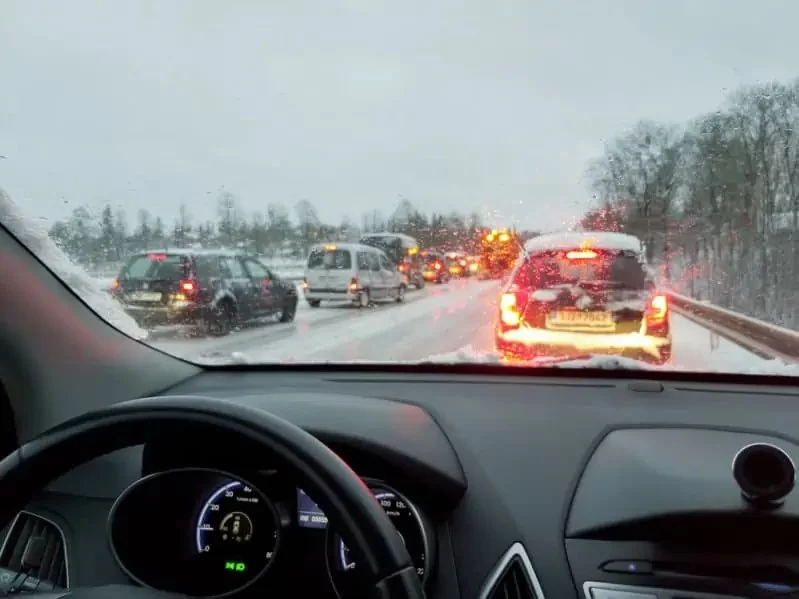
Learning effective tips for safe driving in snowy conditions is not just for beginners—it’s essential for anyone who faces winter roads. Snow, ice, and freezing temperatures change how your car behaves, even if you're an experienced driver. Many U.S. drivers underestimate how drastically traction and braking distances change during severe winter weather. The first snowfall of the year often leads to a spike in tow truck calls and roadside assistance requests.
Drivers living in northern states like Michigan, Minnesota, and Colorado know firsthand how unpredictable winter can be. One moment, the road appears clear; the next, black ice forms on shaded curves. Understanding these challenges makes it easier to prepare and respond safely. Companies such as Rescue & Towing often remind drivers that small precautions can prevent major emergencies.

AJ's Auto Glass & Detailing
4404 S 84th St, Omaha, NE 68127, USA
Preparing Your Vehicle for Snowy Conditions
Your car’s readiness can determine whether a winter trip goes smoothly or becomes stressful. Simple maintenance steps can greatly improve your safety when driving in snowy conditions.
AJ's Auto Glass & Detailing
4404 S 84th St, Omaha, NE 68127, USA
1. Tires and Traction
Good tires are your strongest defense. Winter tires provide deeper tread and rubber that stays flexible in low temperatures, significantly increasing grip on snow and ice. All-season tires can work in mild winters, but they aren’t ideal for heavy snowfall. Maintaining proper tire pressure—especially during cold snaps—is equally important.
2. Battery Strength
Cold weather drains battery capacity. Drivers often don’t realize their battery is weak until a freezing morning. Testing your battery before winter and replacing it when needed prevents breakdowns in harsh conditions.
3. Windshield and Wipers
Visibility becomes harder as snow, salt, and slush accumulate. Winter wiper blades and freeze-resistant washer fluid can make a huge difference during long drives. Keep your windshield completely clear before hitting the road.
4. Emergency Winter Kit
Items like blankets, a flashlight, traction mats, gloves, and a portable air compressor can be lifesavers. Many drivers also add protein snacks and bottled water in case of unexpected delays.
How to Control Your Car on Snow and Ice
Driving on winter roads requires slow, deliberate movements. Your control over the vehicle relies on a combination of proper speed, gentle steering, and smooth braking.
1. Slow Acceleration and Deceleration
Jerky movements reduce traction. Gradual acceleration keeps your tires from spinning, and slow braking prevents dangerous skidding. If you need to stop quickly, pump your brakes lightly unless your car has anti-lock braking (ABS), which handles this for you.
2. Increase Your Following Distance
On dry pavement, a safe distance might be three seconds. In snow, aim for eight to ten seconds. This gives you enough time to react if vehicles ahead lose control.
3. Avoid Sudden Turns
Sharp steering can cause your car to slide sideways. Take turns slowly and gently, especially on downhill roads or near intersections where ice tends to accumulate.
4. How to Handle Skids
If the back of your car begins sliding, steer gently in the direction you want the car to go. Panicking, slamming the brakes, or overcorrecting often makes the situation worse.
Improving Visibility in Winter Weather
Snowy conditions often come with fog, blowing snow, and reduced daylight hours. Ensuring you can see clearly—and be seen by others—is critical for safe driving in snow.
1. Use Low Beams in Snowfall
High beams reflect off snowflakes, reducing your visibility. Low beams help you see the road while preventing glare.
2. Keep All Lights Clean
Snow and slush accumulate quickly on headlights and brake lights. Clean them regularly during long winter drives.
3. Manage Interior Fog
Warm breath, damp clothing, and heating systems can fog windows from the inside. Use your car’s defroster and, when needed, crack a window to improve airflow.
Real Winter Driving Stories
A driver in Wisconsin once shared how a simple misjudgment during a snowstorm nearly caused a major accident. They had assumed a familiar road would be safe at the usual speed, but black ice near a bridge sent their truck sliding. Fortunately, they recovered control, but only after learning firsthand why winter experts emphasize slower speeds.
Another traveler in upstate New York described sliding into a snowbank during a heavy storm. While unharmed, the experience taught them the importance of having a reliable emergency kit and knowing how to call for professional roadside help. Experiences like these remind drivers that even short trips require extra caution during winter.
Tips for Long-Distance Snow Driving
Winter road trips require more planning than summer travel. Weather conditions change rapidly across regions, making preparation essential.
1. Check Weather Along Your Entire Route
A storm may not hit your starting point but could affect your destination. Keep an eye on hourly forecasts and road condition reports.
2. Plan Extra Travel Time
Rushing increases risk. Leave early and expect slower traffic during winter weather.
3. Fuel and Rest Stops
Fill your tank before the trip and refill when your fuel gauge reaches half. Cold weather drains fuel faster, and winter detours may leave you without nearby gas stations.
When to Seek Professional Roadside Help
Even with the best preparation and safe driving habits, winter conditions can still catch drivers off guard. Whether it's a dead battery, a tire that loses pressure, or a vehicle stuck in snow, contacting a professional can prevent further danger.
Companies like Rescue & Towing often assist with snow-related incidents and encourage drivers to call sooner rather than later in emergencies. After all, staying safe is always the priority during winter driving.