- 1 - Understanding Why Safe Driving Around Emergency Vehicles Matters
- 2 - Know the Move Over Law and Why It’s Important
- 3 - How to React When an Emergency Vehicle Approaches
- 4 - Maintaining Safe Distance and Road Awareness
- 5 - Common Mistakes Drivers Make Around Emergency Vehicles
- 6 - Real Incident: A Lesson in Road Safety
- 7 - How Professionals at Rescue & Towing Help Promote Road Safety
1. Understanding Why Safe Driving Around Emergency Vehicles Matters
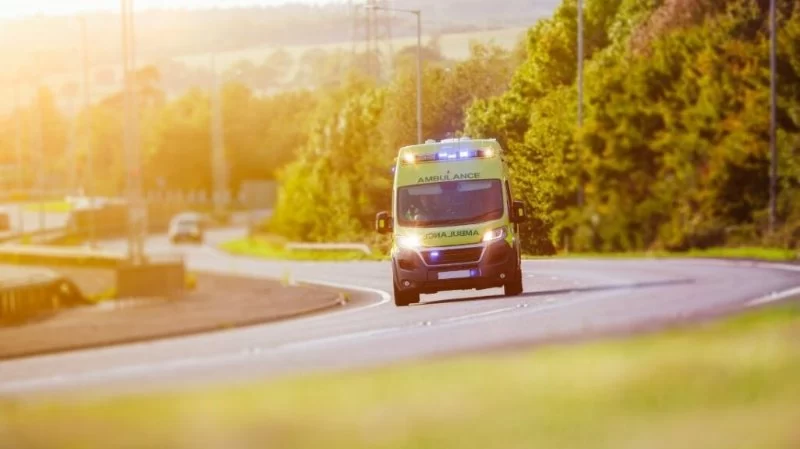
When you hear the blaring siren or see flashing red and blue lights in your rearview mirror, your immediate reaction matters—not just for your safety, but for the lives of others. Knowing the tips for safe driving around emergency vehicles is crucial to ensuring emergency responders can reach their destination quickly and safely.
Emergency vehicles—such as ambulances, fire trucks, and police cars—often travel at high speeds and need to maneuver through traffic. Even a few seconds of hesitation or confusion from other drivers can cause dangerous delays or accidents. Safe, predictable reactions from motorists help emergency teams do their jobs effectively, potentially saving lives.

AJ's Auto Glass & Detailing
4404 S 84th St, Omaha, NE 68127, USA
2. Know the Move Over Law and Why It’s Important
1. What the Law Requires
In most U.S. states, the “Move Over Law” requires drivers to change lanes or slow down when approaching a stationary emergency vehicle with flashing lights. This law protects first responders who work roadside, such as police officers, paramedics, and tow truck operators, from being struck by passing vehicles.
If changing lanes isn’t possible due to traffic or road conditions, drivers must reduce their speed significantly and proceed with caution. Failing to comply can result in heavy fines—and worse, tragic accidents.
AJ's Auto Glass & Detailing
4404 S 84th St, Omaha, NE 68127, USA
2. Why It’s More Than Just a Legal Obligation
Moving over is not only about following the law; it’s about respect and awareness. Every time you yield space to an emergency responder, you’re protecting someone’s life. Many responders have shared stories of near misses while working roadside. These moments emphasize how crucial driver awareness truly is. The next time you see flashing lights, remember: a few seconds of slowing down could prevent a tragedy.
3. How to React When an Emergency Vehicle Approaches
1. Stay Calm and Assess the Situation
Panic is the worst response when an emergency vehicle approaches. Instead, remain calm and look around. Identify where the siren is coming from—front, behind, or side—and check your mirrors before making any moves.
2. Pull Over Safely
If the road allows, pull to the right-hand side and stop completely until the emergency vehicle passes. On multilane highways, move to the outer lane if it’s safe to do so. Avoid abrupt braking or swerving, which could confuse other drivers. Once the vehicle has passed, check traffic before merging back onto the road.
3. At Intersections
Never block an intersection. If you’re at a red light and hear sirens, stay put unless you can safely move out of the way without entering cross traffic. Emergency vehicles will usually navigate around stationary vehicles if drivers remain predictable.
4. Maintaining Safe Distance and Road Awareness
Keeping a safe distance from emergency vehicles—both when they’re in motion and when they’re stopped—is critical. Tailgating or trying to “follow” an emergency vehicle through traffic is not only illegal but also dangerous. Drivers who do this risk collisions and can interfere with rescue operations.
If you encounter an emergency scene on the road, slow down well in advance, keep an eye on pedestrians, and avoid distractions such as cell phones. Rubbernecking—slowing down just to look—can cause additional accidents and impede responders’ work.
5. Common Mistakes Drivers Make Around Emergency Vehicles
Even well-intentioned drivers sometimes make mistakes when reacting to emergency vehicles. The most common include stopping in the middle of the lane instead of pulling over, accelerating behind an emergency vehicle to “catch up” with cleared traffic, or hesitating too long before moving aside. All these actions can create confusion or block access routes.
Another frequent issue occurs at night or during bad weather when visibility is reduced. Reflective lights can be disorienting, so maintaining focus and slowing down early is key. Always assume emergency vehicles have the right of way and give them as much room as possible.
6. Real Incident: A Lesson in Road Safety
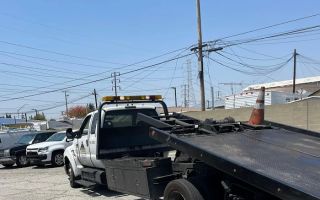
One evening on a busy Florida highway, a driver failed to slow down for a roadside tow truck assisting a stranded motorist. The driver’s distraction led to a near-fatal collision that left both the tow truck operator and the car owner injured. This incident sparked statewide awareness campaigns emphasizing the importance of moving over and staying alert.
Such real-world events remind us that small actions behind the wheel have big consequences. Awareness, patience, and respect for emergency responders can prevent injuries and save lives.
7. How Professionals at Rescue & Towing Help Promote Road Safety
At Rescue & Towing, safety isn’t just a job—it’s a mission. Their team works daily alongside emergency responders and understands the risks of roadside assistance firsthand. Through training, advocacy, and proper equipment use, they emphasize the importance of awareness and education for all drivers.
If you ever find yourself needing roadside help, remember that tow operators, paramedics, and firefighters are out there risking their lives to assist. Giving them space, slowing down, and staying alert are simple actions that protect everyone on the road. For more expert guidance and reliable towing or recovery services, Rescue & Towing remains a trusted name committed to community safety and responsible driving.