Tips for Driving on Unpaved Roads and Gravel
- 1. Understanding Unpaved Roads and Gravel
- 2. Preparing Your Vehicle for Unpaved Roads
- 3. Techniques for Driving on Gravel and Unpaved Surfaces
- 4. Safety Tips for Driving on Difficult Roads
- 5. Real-Life Experiences of Driving on Unpaved Roads
- 6. How Rescue & Towing Can Help in an Emergency
1. Understanding Unpaved Roads and Gravel
Unpaved roads, often made of gravel, dirt, or sand, can be found in rural areas, national parks, or even during scenic road trips. Driving on these roads can present unique challenges compared to paved highways. While they offer a sense of adventure, the conditions of these roads can change frequently due to weather, erosion, or traffic. Understanding these factors is essential for a safe journey.
California Roadside Service
1426 S Allec St, Anaheim, CA 92805, USA
2. Preparing Your Vehicle for Unpaved Roads
Before embarking on a drive over gravel or unpaved roads, it’s important to make sure your vehicle is ready for the journey. Here’s how to prepare:
ASAP Roadside Assistance
5400 Yarmouth Ave, Encino, CA 91316, USA
2.1 Check Your Tires
Your tires are crucial when driving on rough surfaces. Ensure they are properly inflated and have sufficient tread depth to grip loose gravel. Tires designed for off-road driving or all-terrain tires are ideal for unpaved roads. They provide better traction and durability when navigating through uneven surfaces.
2.2 Inspect Suspension and Brakes
Since unpaved roads can be bumpy and uneven, it's essential to ensure your vehicle's suspension and brakes are in good condition. A well-maintained suspension system absorbs shocks better, improving your comfort and safety during the drive. Make sure the brakes are responsive, as gravel roads may require quicker stopping distances.
2.3 Ensure Proper Ground Clearance
Vehicles with low ground clearance can struggle on rough gravel roads, especially when encountering deep ruts or uneven surfaces. If you’re driving on particularly challenging terrain, consider using a vehicle with higher ground clearance, such as an SUV or a truck, to avoid scraping the undercarriage.
3. Techniques for Driving on Gravel and Unpaved Surfaces
Driving on gravel and unpaved roads requires a different set of techniques to ensure safety and control. Here’s how you can manage the challenges of these surfaces:
3.1 Drive at a Controlled Speed
On gravel roads, speed control is critical. Driving too fast can cause loss of control due to the loose surface. Maintain a moderate speed to give yourself time to react to any obstacles or changes in road conditions. A good rule of thumb is to drive at around 15-25 mph, depending on road conditions.
3.2 Maintain a Safe Distance
Gravel roads can be dusty, and visibility may be reduced, especially behind other vehicles. It’s essential to maintain a safe distance from other drivers to avoid collisions or debris kicked up by other vehicles. This also allows you time to react if someone else has to make a sudden stop or swerve.
3.3 Keep Steering Steady
On unpaved roads, the steering wheel may feel more sensitive due to the lack of traction. Make sure to keep your hands firmly on the wheel and make small, steady adjustments when steering. Avoid sharp turns or abrupt maneuvers, as they can cause your vehicle to slide or skid on loose gravel.
3.4 Brake Gently
Hard braking on gravel roads can lead to loss of traction, especially when going downhill. Instead, use gentle, controlled braking to slow down. If your vehicle has anti-lock brakes (ABS), allow them to work by applying firm, steady pressure on the brake pedal. If not, pump the brakes lightly to avoid skidding.
4. Safety Tips for Driving on Difficult Roads
When driving on unpaved or gravel roads, it’s important to stay vigilant and follow safety protocols to reduce the risk of accidents or vehicle damage:
4.1 Avoid Sudden Movements
Quick movements or abrupt steering can lead to your vehicle losing traction on gravel. Always make gradual adjustments to your speed and direction. Avoid sharp turns, sudden lane changes, or accelerating too quickly when starting off.
4.2 Watch for Road Hazards
Keep an eye out for road hazards such as large rocks, deep ruts, or puddles. These can cause damage to your tires or suspension. Always be ready to maneuver around obstacles, but do so carefully to maintain control of your vehicle.
4.3 Be Prepared for Weather Changes
Rain or snow can quickly change the conditions of unpaved roads, making them slippery and more difficult to navigate. Before heading out, check the weather forecast and be prepared for sudden changes. Keep a set of basic tools, a first aid kit, and emergency supplies in your vehicle in case of an unexpected breakdown or weather-related incident.
5. Real-Life Experiences of Driving on Unpaved Roads
Many drivers have encountered challenging situations while driving on unpaved roads. For example, Sarah, a frequent traveler, once found herself stuck on a muddy dirt road after heavy rains in the mountains. With her vehicle’s tires losing traction, she relied on her car’s 4WD feature and gentle steering to safely navigate out of the muddy patch. This experience taught her the importance of driving carefully and having the right vehicle for the terrain.
Similarly, Jack, an off-road enthusiast, shares that his trips through rough terrains are always more enjoyable when he follows proper driving techniques. He emphasizes the importance of tire preparation and driving cautiously over gravel to avoid damaging his vehicle and ensure a safe journey.
6. How Rescue & Towing Can Help in an Emergency
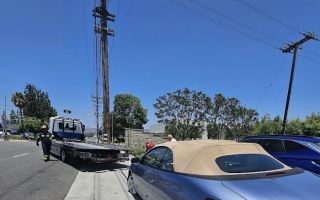
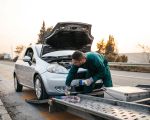
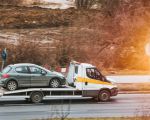
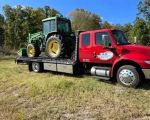
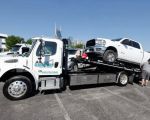
Sometimes, no matter how carefully you drive, unforeseen circumstances can arise, leaving you stuck on an unpaved road. In these situations, Rescue & Towing services are invaluable. Whether you’ve lost traction on gravel, encountered an unexpected obstacle, or experienced a mechanical failure, our professional towing service is just a call away to help get you back on the road safely.
At Rescue & Towing, we offer fast, reliable towing services to assist with vehicles stuck on unpaved roads, ensuring your safety and peace of mind. Don’t hesitate to reach out to us if you ever find yourself in need of emergency assistance!