- why-tire-pressure-matters
- the-science-behind-tire-inflation
- how-tire-pressure-affects-safety
- financial-impact-of-improper-inflation
- how-to-check-and-maintain-tire-pressure
- real-world-lessons-and-expert-advice
1. Why Tire Pressure Matters
The overlooked hero of vehicle safety
Many drivers underestimate the importance of maintaining proper tire pressure. Tires are the only part of your vehicle that actually touch the road, making them critical for control, braking, and fuel efficiency. When tires are either overinflated or underinflated, the vehicle’s handling, braking distance, and overall safety can be significantly compromised. According to the experts at Rescue & Towing, properly inflated tires can mean the difference between avoiding an accident and being in one.
Proper tire pressure also ensures that your tires wear evenly, maximizing their lifespan. In contrast, driving on underinflated tires can cause the sidewalls to flex excessively, generating heat and potentially leading to dangerous blowouts.
MR. TIRE INC.
2078 New York Ave, Huntington Station, NY 11746, USA
2. The Science Behind Tire Inflation
Understanding air pressure and vehicle dynamics
Tire pressure is measured in pounds per square inch (PSI), and every vehicle has a recommended PSI range — typically found on the driver’s door frame or in the owner’s manual. This number isn’t arbitrary; it’s calculated to ensure optimal contact between your tires and the road surface. When the pressure is too low, more of the tire touches the ground, increasing rolling resistance and reducing fuel economy. Too high, and the tire’s center bears the load, leading to uneven wear and reduced traction.
Temperature also affects tire pressure. For every 10°F change in ambient temperature, tire pressure can fluctuate by about 1 PSI. That means a tire filled perfectly on a warm day could be dangerously underinflated on a cold morning. Understanding this relationship helps drivers take a proactive approach to maintenance and prevent avoidable issues on the road.
MR. TIRE INC.
2078 New York Ave, Huntington Station, NY 11746, USA
3. How Tire Pressure Affects Safety
Why small changes can have big consequences
Driving with improper tire pressure not only affects performance but can also compromise your safety. Underinflated tires increase stopping distance, reduce traction during cornering, and make your vehicle more susceptible to hydroplaning on wet roads. Overinflated tires, meanwhile, have less contact with the road, which reduces grip and stability. In severe cases, both scenarios can lead to tire failure at high speeds — a major cause of highway accidents.
In one notable case, a study by the National Highway Traffic Safety Administration (NHTSA) found that underinflated tires contribute to more than 11,000 accidents annually in the U.S. These incidents often stem from blowouts or loss of control during sudden maneuvers. Regularly monitoring tire pressure is a simple yet powerful step toward preventing such tragedies. As Rescue & Towing mechanics frequently remind drivers, a few minutes of preventive care can literally save lives.
4. The Financial Impact of Improper Inflation
Saving money starts at the tires
Beyond safety, proper tire inflation has a direct impact on your wallet. Underinflated tires can reduce fuel efficiency by up to 3%, forcing your engine to work harder and burn more gas. Over time, this adds up — especially for daily commuters or long-distance travelers. Additionally, unevenly worn tires need to be replaced sooner, further increasing maintenance costs.
Consider this example: A driver in Arizona noticed that his car’s fuel economy dropped by nearly two miles per gallon. A quick inspection revealed all four tires were 6 PSI below the recommended level. After inflating them properly, his mileage immediately improved, saving him roughly $200 a year in fuel costs. Stories like this highlight how something as small as air pressure can have a big financial payoff when managed correctly.
5. How to Check and Maintain Tire Pressure
Simple steps for every driver
Maintaining correct tire pressure is quick, inexpensive, and can be done anywhere. Here’s how:
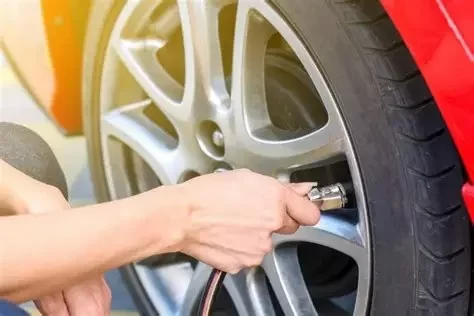
1. Use a reliable gauge: Invest in a digital or dial tire pressure gauge. Check tires when they’re cold — ideally before driving — for an accurate reading.
2. Know your PSI: Refer to your vehicle’s manual or the tire information label on the driver’s side door. Never rely solely on the pressure written on the tire’s sidewall; that number indicates maximum capacity, not optimal performance.
3. Adjust regularly: Check tire pressure at least once a month and before long road trips. Seasonal temperature changes can significantly alter pressure levels, so fall and spring are especially critical times to check.
4. Inspect for damage: While checking pressure, look for cracks, uneven wear, or embedded objects. Even a small puncture can lead to slow leaks that compromise tire integrity.
Drivers who keep up with these simple habits not only improve their vehicle’s safety but also enhance fuel economy and ride comfort. For those uncertain about their vehicle’s tire condition, Rescue & Towing offers professional inspections and tire maintenance services to ensure your car stays road-ready.
6. Real-World Lessons and Expert Advice
Why every PSI counts
Proper tire inflation might seem like a small detail, but it has a huge impact on road safety and operating costs. Whether you’re commuting through the city or embarking on a cross-country trip, your tires are the foundation of a safe, efficient drive. Drivers who take the time to understand tire pressure are less likely to experience breakdowns, blowouts, or fuel waste.
Technicians at Rescue & Towing often share that most roadside emergencies they respond to could have been avoided with simple tire maintenance. From flat tires to blowouts on the highway, many incidents stem from neglecting proper inflation. Keeping your tires healthy isn’t just about convenience — it’s about protecting your passengers, your investment, and your life.
Next time you fill your gas tank, take a few extra minutes to check your tire pressure. That small act of diligence could save you hundreds of dollars and, more importantly, keep you safe on every journey.