- The Importance of Checking Your Serpentine Belt for Cracks
- What is a Serpentine Belt and Why is It Crucial for Your Vehicle?
- Signs That Your Serpentine Belt May Have Cracks
- How to Inspect Your Serpentine Belt for Cracks
- What to Do if Your Serpentine Belt Has Cracks
- Why Rescue & Towing Can Help With Serpentine Belt Replacement and Towing
The Importance of Checking Your Serpentine Belt for Cracks
Your vehicle’s serpentine belt is a vital component of its engine system, and checking it regularly for cracks is essential for preventing unexpected breakdowns. A damaged serpentine belt can lead to engine overheating, power steering failure, and more, making it crucial to keep an eye on its condition. In this article, we’ll discuss why inspecting your serpentine belt for cracks is important, how to spot the signs of damage, and what to do if you find cracks in the belt.

Pick Your Part - Help Yourself
1232 Blinn Ave, Wilmington, CA 90744, USA
What is a Serpentine Belt and Why is It Crucial for Your Vehicle?
The serpentine belt is a long, continuous rubber belt that powers several important components in your vehicle’s engine, including the alternator, power steering pump, air conditioning compressor, and water pump. It’s called a "serpentine" belt because of its winding shape, which allows it to run across multiple components with just one continuous loop.
Since the serpentine belt drives so many vital systems in your car, any failure in this belt can cause a domino effect, disrupting the performance of critical engine components. This is why maintaining its integrity is crucial for the smooth functioning of your vehicle.

Pick Your Part - Greer
13054 E Wade Hampton Blvd, Greer, SC 29651, USA
Signs That Your Serpentine Belt May Have Cracks
Cracks on your serpentine belt are often one of the first indicators that it needs to be replaced. If left unnoticed, a cracked serpentine belt can lead to severe engine problems. Here are some signs to look out for:
1. Visible Cracks or Damage on the Belt
The most obvious sign of a damaged serpentine belt is visible cracking. Check the surface of the belt for any deep grooves, splits, or frays. These cracks can develop over time due to wear and tear or exposure to extreme heat, causing the belt to lose its effectiveness.
2. Squealing or Grinding Noise
If you hear a high-pitched squealing or grinding noise coming from your engine, it could be a sign that the serpentine belt is slipping or damaged. This noise is usually caused by friction or lack of tension, often linked to cracks or wear on the belt.
3. Loss of Power Steering or Air Conditioning
Since the serpentine belt powers critical systems like the power steering pump and air conditioning compressor, a crack or failure can result in sudden loss of power steering assistance or air conditioning functionality. If you notice difficulty turning the steering wheel or a lack of cooling from your AC, it’s time to inspect your serpentine belt.
4. Overheating Engine
The serpentine belt is also responsible for driving the water pump, which circulates coolant through the engine to prevent overheating. If the belt is cracked and fails, the water pump won’t operate properly, and your engine may begin to overheat. Keep an eye on your engine temperature gauge to catch any sudden temperature spikes.
How to Inspect Your Serpentine Belt for Cracks
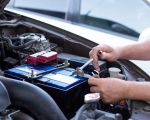
Checking your serpentine belt for cracks is a straightforward process that you can do yourself with a few basic tools. Here’s how to inspect it:
1. Turn off the Engine
Before inspecting the serpentine belt, make sure your engine is turned off and the vehicle is parked on a flat surface. Allow the engine to cool down to avoid burns or injury.
2. Locate the Serpentine Belt
The serpentine belt is usually located near the front of the engine, near the alternator and other components it powers. Check your vehicle’s manual to locate it precisely.
3. Visually Inspect the Belt
Look closely at the belt for signs of cracks, fraying, or wear. Pay particular attention to the grooves and edges of the belt. If the belt looks worn, cracked, or damaged, it’s time for a replacement.
4. Check for Belt Tension
Press gently on the belt with your finger. If it feels loose or lacks proper tension, it may need adjustment or replacement. A loose belt can slip, leading to further damage to engine components.
What to Do if Your Serpentine Belt Has Cracks
If you discover cracks or significant wear on your serpentine belt, it’s essential to replace it as soon as possible to avoid more serious damage to your vehicle. Here are the steps you should follow:
1. Replace the Belt
Replacing a cracked serpentine belt is often a straightforward task that can be done with basic mechanical knowledge. You’ll need to remove the old belt, check for any underlying damage, and install a new one with the proper tension. If you're unsure of how to do this, consult a professional mechanic or take your vehicle to a shop for replacement.
2. Seek Professional Help
If you're not comfortable replacing the belt yourself, it's best to take your vehicle to a professional mechanic who can inspect and replace the serpentine belt. A professional can ensure that the new belt is installed correctly and that your vehicle is in optimal condition.
3. Check Other Components
While replacing the serpentine belt, it's a good idea to have other related components, such as the tensioner, pulleys, and water pump, checked for wear. This can prevent further issues down the road and keep your engine running smoothly.
Why Rescue & Towing Can Help With Serpentine Belt Replacement and Towing
If your serpentine belt breaks while you're on the road, Rescue & Towing can assist with towing services and help you get to a mechanic who can replace the belt. We provide fast, reliable towing and roadside assistance to ensure you’re not stranded, no matter where you are.
For vehicle repairs, including serpentine belt replacement, Rescue & Towing offers quick and affordable towing to local trusted auto repair shops. Contact us today to learn more about how we can help keep your vehicle in top shape.