- 1 - Understanding Driveshaft Bearings and Their Role
- 2 - Signs Your Driveshaft Bearings Might Be Failing
- 3 - Why Regular Inspection Matters for Safety
- 4 - How to Check Driveshaft Bearings Effectively
- 5 - Real Driver Story from Rescue & Towing
- 6 - Professional Repair or DIY - What to Consider
- 7 - Preventive Maintenance Tips from Rescue & Towing
Understanding Driveshaft Bearings and Their Role
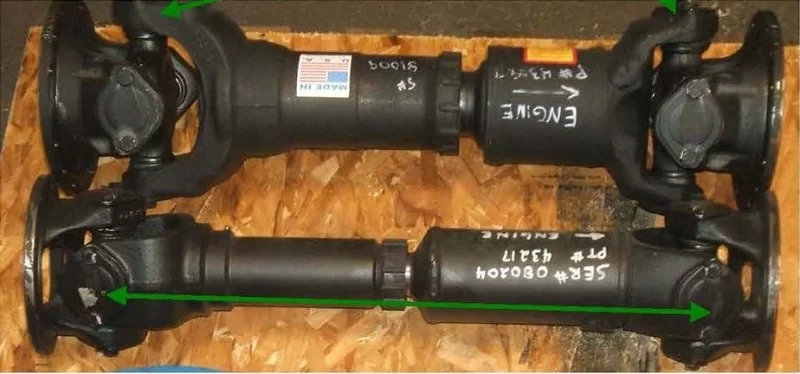
The driveshaft is one of the most critical components in your vehicle’s drivetrain, transferring power from the transmission to the wheels. The bearings within the driveshaft assembly—commonly known as carrier bearings or universal joint bearings—are responsible for keeping this system stable and balanced. Without properly functioning bearings, your car’s performance can quickly deteriorate, leading to serious mechanical damage or even on-road breakdowns.
When it comes to checking your driveshaft bearings, it’s not just about preventing noise or vibration; it’s about maintaining your car’s safety, fuel efficiency, and longevity. Ignoring early warning signs can cause other components—such as the transmission or differential—to wear prematurely, multiplying repair costs.
United Towing Service Inc.
26170 Adams Ave, Murrieta, CA 92562, USA
Signs Your Driveshaft Bearings Might Be Failing
1. Unusual Vibrations While Driving
One of the most common signs of bearing issues is vibration, especially at higher speeds. Drivers often describe it as a low-frequency hum or a shaking sensation coming from the vehicle floor. These vibrations are caused by worn or imbalanced bearings that disrupt the driveshaft’s rotation.
Pick Your Part - Help Yourself
1232 Blinn Ave, Wilmington, CA 90744, USA
2. Metallic Clunking or Grinding Sounds
Failing bearings can produce a distinct clunking or grinding noise, particularly when shifting gears or accelerating. This sound indicates metal-on-metal contact within the joint or bearing housing—an urgent sign that inspection is needed.
3. Difficulty in Acceleration
When bearings lose alignment, rotational friction increases, reducing torque delivery to the wheels. Drivers may notice sluggish acceleration or a “dragging” feel even when pressing the gas pedal normally.
4. Excessive Driveshaft Play
Physically inspecting the driveshaft by moving it back and forth can reveal looseness. Any noticeable play in the system suggests that the bearings have worn down and should be replaced immediately.
Why Regular Inspection Matters for Safety
Failing driveshaft bearings don’t just affect performance—they can compromise safety. A damaged bearing can cause the driveshaft to detach from its mountings, potentially leading to catastrophic failure while driving. Routine inspections can catch minor wear before it becomes a costly or dangerous issue.
1. Protecting the Entire Drivetrain
When bearings wear out, they place additional stress on surrounding components such as U-joints and differential gears. Timely inspection minimizes this chain reaction, preventing expensive secondary damage.
2. Ensuring Smooth Power Transfer
Healthy bearings ensure consistent torque distribution between the transmission and axles. This improves fuel efficiency, reduces drivetrain strain, and enhances overall driving comfort.
3. Avoiding Unexpected Breakdowns
Regular bearing checks reduce the risk of being stranded roadside. Many customers at Rescue & Towing have avoided major repair bills simply by scheduling preventative inspections once or twice a year.
How to Check Driveshaft Bearings Effectively
1. Visual Inspection
Start by examining the driveshaft and surrounding areas for visible signs of wear, rust, or oil leaks. Bearings that are damaged may show cracking rubber mounts or excessive grease leakage. A flashlight and inspection mirror can help spot hidden damage.
2. Manual Movement Test
Raise the vehicle safely using a jack and stands, then attempt to move the driveshaft. Any clicking or excessive looseness typically indicates bearing or U-joint wear. Always perform this test when the car is off and parked on a flat surface.
3. Listening During Test Drives
Listen carefully while accelerating, decelerating, and turning. Rhythmic clicking or squealing noises during speed changes often point to bearing misalignment or internal wear.
Real Driver Story from Rescue & Towing
Last summer, a customer named Michael called Rescue & Towing after his SUV began shaking violently on the highway. Upon inspection, our technicians found that his center driveshaft bearing had completely failed, causing the driveshaft to wobble at high speeds. The damage extended to the U-joint and part of the rear differential. Fortunately, because Michael reacted quickly and stopped driving immediately, we were able to repair the issue before it caused permanent transmission damage. His story serves as a reminder of why regular driveshaft bearing inspections are essential for every driver.
Professional Repair or DIY: What to Consider
1. When to Seek Professional Help
While some experienced mechanics can replace driveshaft bearings at home, this task often requires specialized tools and precise alignment. Incorrect installation can cause imbalance and vibration, potentially making the problem worse.
2. Cost and Labor Time
Professional replacement typically takes 2–4 hours, depending on the vehicle type. The cost can vary but is always cheaper than repairing a damaged transmission later on.
3. Value of Certified Mechanics
Certified automotive specialists have diagnostic equipment to detect bearing and U-joint wear before visible symptoms appear. Consulting with a professional shop like Rescue & Towing ensures your drivetrain remains in top shape.
Preventive Maintenance Tips from Rescue & Towing
1. Schedule Routine Inspections
Have your driveshaft bearings inspected every 12,000 to 15,000 miles or at least once a year. Early detection saves both money and time in the long run.
2. Keep the Drivetrain Lubricated
Proper lubrication prevents friction and heat buildup. Use manufacturer-approved grease and ensure seals are intact to keep contaminants out.
3. Respond to Early Warning Signs
Never ignore vibrations, knocking sounds, or rattles from underneath your car. These early warnings could mean your bearings or U-joints are deteriorating. Quick action can prevent costly damage and ensure a safer ride.
At Rescue & Towing, we’ve helped countless drivers extend the lifespan of their vehicles through routine inspections and prompt maintenance. Keeping your driveshaft bearings in check is one of the simplest yet most effective ways to maintain reliability and safety on every journey.