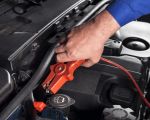
The Importance of Checking Your Coolant Hoses: Essential Maintenance Tips
When it comes to keeping your car running smoothly, one of the most critical yet often overlooked aspects of vehicle maintenance is the condition of your coolant hoses. These hoses are an essential part of your car's cooling system, helping to regulate the engine’s temperature and prevent overheating. In this article, we’ll explore the importance of checking your coolant hoses regularly, how to spot potential problems, and why neglecting them could lead to costly repairs.
- 1. Understanding Coolant Hoses and Their Role
- 2. Signs That Your Coolant Hoses Are Damaged
- 3. How to Properly Inspect Coolant Hoses
- 4. The Consequences of Neglecting Coolant Hoses
- 5. Preventing Overheating and Engine Damage
1. Understanding Coolant Hoses and Their Role
Coolant hoses are responsible for carrying coolant between your car's radiator, water pump, and engine. They are made from durable materials designed to withstand high temperatures and pressure. Coolant is vital for maintaining your engine’s temperature by absorbing excess heat and releasing it through the radiator. Without properly functioning hoses, the coolant can’t flow properly, which leads to overheating and potential engine failure.
There are two main types of coolant hoses in your car:
- Upper Radiator Hose: Connects the radiator to the engine’s water pump, delivering hot coolant from the engine to the radiator for cooling.
- Lower Radiator Hose: Returns cooled coolant from the radiator to the engine to prevent overheating and maintain optimal engine temperature.
Both of these hoses work together to keep the engine cool, and any failure in their system could lead to serious engine damage.

Pick Your Part - Help Yourself
1232 Blinn Ave, Wilmington, CA 90744, USA
2. Signs That Your Coolant Hoses Are Damaged
Identifying issues with your coolant hoses early can prevent significant engine damage. Here are some common signs that your coolant hoses may be damaged:
- Leaking Coolant: If you notice puddles of coolant under your vehicle or a sweet smell while driving, this could be a sign that one of your hoses is leaking.
- Overheating Engine: If your car’s temperature gauge spikes or the engine begins to overheat, it may indicate that coolant isn’t circulating properly due to a hose issue.
- Soft, Cracked, or Swollen Hoses: If you physically inspect the hoses and they feel soft, cracked, or swollen, they may have been compromised by heat and age and are no longer functioning effectively.
- Visible Wear: Frequent exposure to heat, chemicals, and pressure can cause hoses to degrade over time. Check for any bulging, cracks, or abrasions on the hoses.
If you notice any of these signs, it’s crucial to inspect and replace the hoses as soon as possible to avoid further damage to your cooling system.

Pick Your Part - Greer
13054 E Wade Hampton Blvd, Greer, SC 29651, USA
3. How to Properly Inspect Coolant Hoses
Regularly inspecting your coolant hoses is vital for ensuring they are functioning correctly. Here’s a simple guide to help you check your hoses:
- Turn off the engine: Always allow the engine to cool before touching the radiator or hoses to avoid burns from hot coolant.
- Look for visible cracks or bulges: Inspect both the upper and lower radiator hoses for any visible damage, such as cracks, bulges, or abrasions. Any sign of wear could be a potential hazard.
- Check for leaks: Look under the vehicle for any signs of coolant leakage. A leaky hose can cause your coolant to escape, leading to engine overheating.
- Feel the hoses: Gently squeeze the hoses to check for softness or swelling. Healthy hoses should be firm and resilient. Soft or brittle hoses need to be replaced.
- Ensure secure fittings: Check that all hose connections are secure and tight. Loose hoses can lead to coolant leaks or inefficient cooling.
It’s recommended to inspect your coolant hoses every six months, especially if your vehicle is older or has high mileage. Regular checks can help catch problems early before they cause significant issues.
4. The Consequences of Neglecting Coolant Hoses
Neglecting to check and maintain your coolant hoses can have serious consequences for your engine. Some of the risks include:
- Engine Overheating: If the hoses are leaking or damaged, coolant may not circulate properly, leading to an overheated engine. This can cause warping of engine components and severe damage.
- Blown Head Gasket: Consistent overheating due to poor coolant flow can result in a blown head gasket, which is a costly repair.
- Engine Seizure: Prolonged overheating can cause the engine to seize, rendering it inoperable and requiring a full engine replacement.
- Reduced Vehicle Performance: Poor cooling can cause your vehicle to perform inefficiently, impacting fuel economy and driving comfort.
Replacing damaged hoses before they fail is crucial in preventing these costly issues and ensuring your engine remains in top condition.
5. Preventing Overheating and Engine Damage
To prevent overheating and protect your engine, follow these steps:
- Replace old hoses: Over time, coolant hoses can deteriorate due to exposure to heat and pressure. Replacing old or worn-out hoses with high-quality replacements ensures a reliable cooling system.
- Check coolant levels: Ensure that the coolant levels are within the recommended range. Low coolant levels can strain the hoses and lead to engine damage.
- Schedule regular maintenance: Have your vehicle’s cooling system checked regularly during routine maintenance to catch any potential issues early.
- Use high-quality coolant: Make sure you’re using the appropriate coolant for your vehicle’s make and model. Poor-quality or incorrect coolant can cause hoses to degrade faster.
By taking these simple precautions, you can extend the lifespan of your vehicle’s cooling system and prevent the costly consequences of neglected coolant hoses.
For more tips on car maintenance and to find the right parts for your vehicle, visit Rescue & Towing for expert advice and services.