- understanding-what-premium-fuel-is
- the-science-behind-premium-fuel-performance
- key-benefits-of-using-premium-fuel
- when-premium-fuel-is-and-is-not-worth-it
- expert-insight-and-recommendations-from-rescue-towing
1. Understanding What Premium Fuel Is
When you pull up to the gas station, you’ve probably noticed the higher price tag on premium fuel. But what makes it different from regular gasoline? Premium fuel contains a higher octane rating—usually between 91 and 93 compared to 87 for regular gas. The octane rating measures the fuel’s resistance to knocking or pre-ignition in your engine.
Engines designed for high performance often have higher compression ratios, and premium fuel helps these engines run more efficiently and smoothly. However, for everyday vehicles, the benefits might not be as dramatic. To determine whether premium fuel is worth it, it’s essential to understand how it interacts with your car’s engine and driving habits.
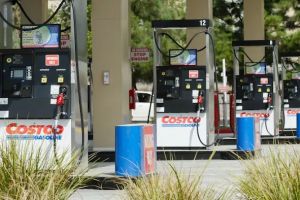
Costco Gas Station
2 Henry St, Commack, NY 11725, USA
2. The Science Behind Premium Fuel Performance
The main advantage of premium fuel lies in its ability to resist knocking—a phenomenon where fuel ignites prematurely in the combustion chamber. Knocking can cause reduced performance, poor fuel efficiency, and long-term engine damage if ignored. Premium fuel burns cleaner and more evenly, especially under high pressure or when your car’s engine operates at higher temperatures.
Costco Gas Station
149 NJ-23, Wayne, NJ 07470, USA
2.1 Engine Efficiency and Longevity
Modern vehicles with turbocharged or supercharged engines can benefit significantly from premium gasoline. These engines rely on controlled combustion, and higher-octane fuel ensures that ignition timing remains optimal. Over time, using the correct fuel helps prevent engine deposits, ensuring smoother operation and fewer maintenance issues.
2.2 Electronic Engine Control
Most newer cars come with engine control units (ECUs) that automatically adjust ignition timing to prevent knocking, even when regular gas is used. However, this adjustment can slightly reduce power and efficiency. If your vehicle was engineered for premium fuel, switching to regular may lower performance and responsiveness.
3. Key Benefits of Using Premium Fuel
While premium fuel isn’t necessary for every car, it offers several benefits for certain vehicles and driving conditions.
3.1 Improved Performance
High-performance engines—such as those found in sports cars, luxury sedans, and some SUVs—are tuned to make the most of high-octane fuel. Premium gas allows for optimal combustion, giving smoother acceleration, increased horsepower, and better throttle response. Drivers who enjoy spirited driving often report noticeable differences when switching from regular to premium.
3.2 Enhanced Fuel Economy
Although premium fuel doesn’t directly contain more energy than regular gas, its cleaner and more stable burn can sometimes result in slight improvements in fuel efficiency. In some cases, this can offset the higher cost per gallon, especially if you drive long distances or maintain your vehicle regularly.
3.3 Engine Protection
Premium fuel often includes more detergents and additives that help keep your engine’s intake valves and fuel injectors clean. Cleaner components reduce the risk of carbon buildup, ensuring smoother airflow and more consistent combustion. Over the years, this can extend the lifespan of your engine and reduce repair costs.
3.4 Smoother Driving in Extreme Conditions
If you frequently drive in hot climates, tow heavy loads, or climb steep hills, premium fuel may provide added protection. The higher octane prevents premature ignition under pressure, which can be particularly valuable in demanding driving environments.
4. When Premium Fuel Is and Is Not Worth It
Knowing when to use premium fuel can save you money while still protecting your vehicle’s performance. The key is to follow your car manufacturer’s recommendations.
4.1 Vehicles That Require Premium Fuel
Luxury brands like BMW, Audi, Mercedes-Benz, and some performance models from Ford or Chevrolet often require premium gas. Ignoring this requirement may not cause immediate damage but can lead to lower power output and decreased fuel efficiency. Over time, it may also result in subtle wear on engine components.
4.2 Vehicles That Can Use Regular Fuel
If your car’s manual says “premium recommended” rather than “premium required,” you can safely use regular gasoline. The engine’s sensors will adjust for lower octane fuel, though you might notice slightly less power or acceleration. In such cases, the cost savings often outweigh any minimal performance difference.
4.3 Real-World Example
Take the case of a driver in Colorado who switched from premium to regular fuel in his turbocharged SUV. While he didn’t notice a dramatic drop in performance at first, the vehicle began to lag during steep climbs and hotter days. Returning to premium fuel restored the SUV’s smooth power delivery, confirming that the manufacturer’s recommendation was there for a reason.
5. Expert Insight and Recommendations from Rescue & Towing
At Rescue & Towing, we’ve seen how fuel choice impacts long-term vehicle reliability. Many roadside breakdowns stem from engine strain or carbon buildup—issues that can be minimized with proper fuel use. Premium fuel, when required or recommended, plays a crucial role in maintaining vehicle health, especially for engines under frequent stress or high load.
Our automotive specialists advise drivers to always consult their owner’s manual before making a switch. Using the right fuel is not just about power—it’s about protection, longevity, and efficiency. For vehicles with heavy towing duties or those exposed to extreme driving conditions, premium fuel often proves worth the extra cost in the long run.
Whether you’re maintaining a luxury car, an off-road SUV, or a daily commuter, making informed fuel choices will enhance your driving experience and reduce future repair expenses. For personalized advice or vehicle support, visit Rescue & Towing to explore reliable services designed to keep your car running at peak performance.