- why-preventative-maintenance-matters
- core-elements-of-preventative-car-care
- how-neglect-turns-small-issues-into-expensive-problems
- real-owner-case-studies-in-prevention-vs-repair
- building-a-maintenance-mindset
1. Why Preventative Maintenance Matters
Preventative car maintenance isn’t just for gearheads—it’s an essential practice for anyone who wants to avoid unexpected breakdowns and expensive repairs. Whether you commute daily or drive cross-country twice a year, routine maintenance helps your vehicle perform efficiently and safely while saving you thousands in the long run.
According to AAA, the average car repair bill in the U.S. can range from $500 to $1,200. Much of this cost is preventable with simple, consistent upkeep. The earlier you catch an issue—like low coolant, worn brakes, or dirty filters—the less likely it becomes a full-blown crisis.
AutoZone Auto Parts
5701 Broadway, Bronx, NY 10463, USA
2. Core Elements of Preventative Car Care
2.1. Oil and Fluid Checks
One of the simplest yet most ignored maintenance tasks is checking your oil. Dirty or low oil can severely damage your engine. You should also routinely check brake fluid, transmission fluid, and coolant—each plays a crucial role in performance and longevity.

Costco Tire Center
1250 Old Country Rd, Westbury, NY 11590, USA
2.2. Tire Inspection and Rotation
Uneven tire wear doesn’t just shorten tire life—it can affect handling and safety. Rotating your tires every 5,000 to 7,500 miles and maintaining proper pressure can improve mileage and reduce the risk of blowouts on highways.
2.3. Battery and Electrical System Health
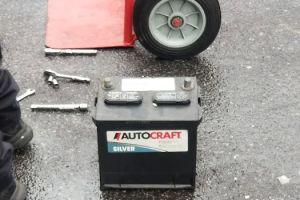
Batteries often die when least expected. Regular testing—especially before winter—and cleaning terminals can prevent roadside disasters. Also, make sure lights, fuses, and power windows are functioning correctly.
2.4. Brake and Suspension Systems
Brake pads wear gradually, which can make deterioration hard to detect. Squealing, longer stopping distances, or a vibrating steering wheel are all signs your system needs attention. A neglected suspension system may lead to alignment problems and premature tire wear.
3. How Neglect Turns Small Issues Into Expensive Problems
It’s often tempting to ignore that subtle rattle or flickering dashboard light, but small annoyances often signal deeper issues. A minor coolant leak, if left untreated, can lead to overheating and a cracked head gasket—easily a $1,500 repair job.
One particularly common trap? Timing belt neglect. If this essential part snaps while driving, you might face full engine replacement. Keeping up with manufacturer-recommended timing belt replacement intervals is an investment in your car’s survival.
4. Real Owner Case Studies in Prevention vs. Repair
4.1. Sarah's $75 Spark Plug Swap
Sarah, a Denver-based rideshare driver, noticed her car misfiring. A quick visit revealed worn spark plugs—just $75 to replace. Her mechanic told her that ignoring it could’ve led to catalytic converter damage and a $900 repair.
4.2. Mark’s $2,400 Transmission Lesson
Mark, an avid road-tripper, delayed checking a minor transmission fluid leak. Six months later, the delay turned into a seized transmission on the I-10 in Arizona. The tow, parts, and labor cost him over $2,400. Now he swears by regular fluid inspections and uses Rescue & Towing for emergency coverage.
5. Building a Maintenance Mindset
5.1. Schedule Routine Checkups
Just like doctor visits, vehicle checkups should be regular and proactive. Build a simple schedule using your vehicle's manual, or use service apps to automate reminders.
5.2. Partner with a Trusted Local Service
Having a go-to service provider like Rescue & Towing gives you peace of mind. Whether it’s scheduled inspections or urgent roadside support, building a relationship with a dependable team ensures you're never caught off guard.
5.3. Education as Prevention
Staying informed—about your specific make and model, about weather impacts, about dashboard warnings—turns you from a passive driver into a proactive vehicle steward. Online communities and YouTube DIY tutorials can be surprisingly helpful, even for first-timers.