- 1-Understanding-Portable-Jump-Starters
- 2-Essential-Safety-Precautions-for-Jump-Starting
- 3-Step-by-Step-Jump-Starter-Usage
- 4-Common-Mistakes-and-How-to-Avoid-Them
- 5-Real-Life-Jump-Starter-Experiences
- 6-Where-to-Get-Reliable-Jump-Starters
1. Understanding Portable Jump Starters
Portable jump starters have become indispensable tools for drivers, especially in emergency situations where a dead battery could leave you stranded. Unlike traditional jumper cables, these devices allow you to start your vehicle independently without another car. Knowing the basics about how they function sets the foundation for safe and effective use.
1.1 What Is a Portable Jump Starter?
A portable jump starter is a compact, battery-powered device designed to deliver a high burst of power to a vehicle’s battery, enabling it to start even if the battery is completely drained. Most models come with additional features like USB ports, flashlights, and air compressors, making them versatile for roadside emergencies.
1.2 Why Safety Matters
Despite their convenience, improper use of portable jump starters can cause damage to the vehicle’s electrical system or pose safety hazards such as sparks or short circuits. Therefore, adopting safe practices is crucial for both the user and the vehicle.
2. Essential Safety Precautions for Jump Starting
Before using a portable jump starter, taking safety precautions ensures you avoid common risks and maximize the effectiveness of the device.
2.1 Inspect the Device and Vehicle Battery
Always check the jump starter for any visible damage or corrosion on clamps. Additionally, inspect the vehicle’s battery for cracks, leaks, or excessive corrosion—if any are present, it’s safer to call a professional rather than attempting a jump start.
2.2 Read the Manufacturer’s Instructions Thoroughly
Each jump starter model can have specific steps or warnings. Familiarizing yourself with the user manual is vital to operate the device correctly and safely.
2.3 Avoid Sparks and Flames
Because batteries emit flammable gases, ensure the jump starter is connected in a well-ventilated area away from open flames or smoking. Always connect clamps in the recommended order to minimize spark risk.
3. Step-by-Step Jump Starter Usage
Following a clear, methodical approach when using a portable jump starter helps prevent accidents and ensures a successful jump.
3.1 Prepare Your Vehicle
Turn off the ignition, all accessories like lights or radio, and make sure the vehicle is in park or neutral with the parking brake engaged.
3.2 Connect the Jump Starter Clamps Properly
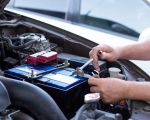
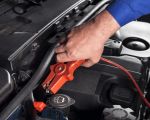
Attach the red clamp to the positive terminal of the dead battery and the black clamp to a clean, unpainted metal surface on the vehicle frame away from the battery. This grounding step reduces the chance of sparks near the battery.
3.3 Power On and Start the Vehicle
Turn on the jump starter, then attempt to start the vehicle. If it does not start after several tries, disconnect and reassess before attempting again.
3.4 Disconnect Safely
After the engine starts, turn off the jump starter and remove clamps in reverse order—black clamp first, then red—to avoid electrical shocks or sparks.
4. Common Mistakes and How to Avoid Them
Many jump starter mishaps come from avoidable errors that can be easily prevented with awareness and preparation.
4.1 Using a Jump Starter with Incompatible Vehicles
Not all jump starters are suitable for every vehicle type. For example, some models may not have enough power for diesel engines or larger trucks. Always check compatibility before purchase or use.
4.2 Neglecting to Charge the Jump Starter
One of the most frequent errors is attempting to use a jump starter with a low battery. Regularly charging your device ensures it is ready when needed.
4.3 Incorrect Clamp Connection
Mixing up positive and negative clamps can cause damage or injury. Labeling clamps or using models with clear markings reduces this risk significantly.
5. Real-Life Jump Starter Experiences
Jake, a commuter from Ohio, once found himself stranded on a winter morning with a dead battery. Thanks to his portable jump starter and knowledge of safe usage, he was able to start his car quickly without waiting for roadside assistance. His preparedness not only saved him time but also provided peace of mind in a stressful situation.
Another example involves Lisa, who attempted to jump start her car without reading the instructions carefully. She connected the clamps incorrectly, causing a spark that frightened her but luckily no damage. This experience taught her the importance of understanding the device thoroughly before use.
5.1 Lessons from These Stories
Both cases underscore how crucial it is to pair the right equipment with informed usage. Being prepared and educated helps avoid dangerous mistakes and enhances confidence in emergency situations.
6. Where to Get Reliable Jump Starters
For anyone looking to purchase a high-quality, safe portable jump starter, exploring options at Rescue & Towing offers a great start. The site provides expertly vetted products suited for various vehicles and budgets, along with helpful guidance to match your needs.
Investing in a trusted jump starter from a reputable source ensures you have dependable support when you need it most.