Long-Distance Towing Services: What You Need to Know for Safe and Efficient Transport
- What is Long-Distance Towing?
- When Should You Use Long-Distance Towing Services?
- How to Choose the Right Long-Distance Towing Company
- What is the Cost of Long-Distance Towing?
- Tips for Preparing Your Vehicle for Long-Distance Towing
- Safety Tips for Long-Distance Towing
What is Long-Distance Towing?
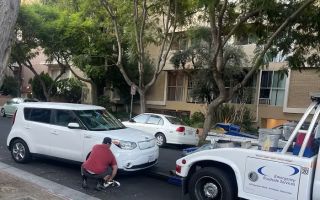
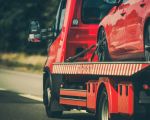
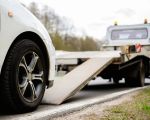
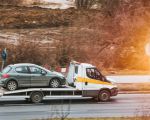
Long-distance towing is a service that involves transporting a vehicle over a significant distance, usually over 100 miles or more. This type of towing is necessary when a vehicle breaks down far from home, or if you’re relocating your vehicle to a new location. Unlike local towing, which typically takes place within a smaller area, long-distance towing involves special considerations such as route planning, fuel costs, and ensuring the vehicle is securely transported over a longer journey.
Long-distance towing can be vital for a variety of reasons, whether you’ve been involved in an accident, your car has broken down in an inconvenient location, or you need to move a vehicle for personal or business purposes. Whether you're transporting a car, motorcycle, or RV, reliable long-distance towing ensures your vehicle arrives safely and on time.
United Towing Service Inc.
26170 Adams Ave, Murrieta, CA 92562, USA
When Should You Use Long-Distance Towing Services?
There are several situations where long-distance towing services are necessary. Here are some of the most common scenarios:
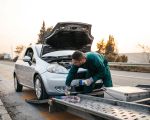
- Breakdowns or Mechanical Failures: If your car breaks down on a highway or far from home, you might need a long-distance towing service to bring it to a repair shop or your home. These services can transport your car even if it’s in a remote location.
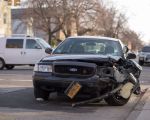
- Accidents: After a car accident, if the vehicle is not drivable, you may require long-distance towing to move the car to an auto body shop, insurance company, or designated location.
- Vehicle Relocation: Sometimes, you may need to relocate your vehicle from one state to another for personal reasons, or even to move it to a vacation home or rental property. Long-distance towing can make this process much easier.
- Moving a Vehicle for Sale or Purchase: Whether you’re buying a car from a faraway seller or moving a car you’ve sold to another buyer, long-distance towing ensures that the vehicle is delivered safely to the buyer’s location.
How to Choose the Right Long-Distance Towing Company
Choosing the right long-distance towing company is crucial for ensuring that your vehicle is transported safely and efficiently. Here are a few factors to consider when selecting a towing service:
- Experience: Look for a company with experience in long-distance towing. Experienced towing companies understand the challenges involved and know how to handle various types of vehicles over long distances.
- Reputation: Check reviews and testimonials from previous customers. A reputable towing company will have positive feedback regarding reliability, communication, and professionalism.
- Insurance: Ensure the towing company has proper insurance to cover any potential damage to your vehicle during transport. It’s important to ask about their coverage policies and confirm that your vehicle is protected during the entire process.
- Pricing: Get quotes from several towing companies to compare prices. While the lowest price may be tempting, be sure to balance cost with the quality of service. Avoid companies that provide unclear or vague pricing.
- Availability: Make sure the towing service is available 24/7. Breakdown or accident situations can happen at any time, and you want a towing service that can respond quickly and efficiently, no matter when you need them.
What is the Cost of Long-Distance Towing?
The cost of long-distance towing can vary based on several factors. Some of the most common elements that influence the price include:
- Distance: The farther the distance, the higher the cost. Towing companies generally charge by the mile, with rates varying by location. Longer distances result in higher prices, as it takes more time and fuel to transport the vehicle.
- Type of Vehicle: Larger vehicles such as RVs, trucks, or SUVs may cost more to tow compared to standard cars due to the extra weight and space they require.
- Route and Terrain: If the route includes difficult terrain, such as steep mountains or off-road areas, the towing cost may increase due to the need for specialized equipment and additional time for navigation.
- Time of Year: Seasonal factors can also affect the cost. For example, winter weather conditions may make towing more challenging, and some towing companies may increase their prices to cover the added risks.
- Urgency: If you require expedited service, such as same-day or emergency towing, you may incur additional fees for the fast response time.
It’s important to get an estimate from the towing company beforehand and understand what is included in the price to avoid unexpected charges.
J & J Towing
4560 N Webster Ave, Perris, CA 92571, USA
Tips for Preparing Your Vehicle for Long-Distance Towing
Before your vehicle is towed over a long distance, there are a few things you can do to ensure that the process goes smoothly and that your car is protected during transit:
- Secure Loose Items: Remove any loose items from inside the car, as they could get damaged or cause damage during the towing process.
- Check Fluid Levels: Ensure that the vehicle’s fluid levels (engine oil, brake fluid, etc.) are sufficient, as low fluids can cause damage during towing.
- Take Photos: Document the condition of your vehicle with photos before it is towed. This helps protect you in case of any damage during transport.
- Notify the Towing Company of Special Needs: If your vehicle requires special handling or has specific needs (such as a convertible roof that needs to be protected), let the towing company know in advance.
Safety Tips for Long-Distance Towing
When arranging for long-distance towing, safety should be a top priority. Follow these safety tips to help ensure that your vehicle arrives safely:
- Choose a Trusted Towing Company: A reputable towing company with experienced drivers ensures your vehicle is in good hands during the entire journey.
- Check Towing Equipment: Make sure the towing company uses well-maintained, high-quality towing equipment to prevent accidents or damage to your vehicle.
- Verify Insurance Coverage: Ensure that the towing company provides insurance coverage to protect your vehicle from damage or loss during transit.
- Stay Informed: Stay in contact with the towing company to track the progress of your vehicle’s transport. Knowing the estimated time of arrival and route can provide peace of mind.