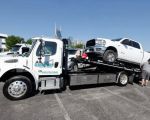
How to Tow a Vehicle Safely — DIY Towing (When Allowed) vs Professional Towing Services
- DIY Towing: When and How to Tow Your Own Vehicle
- When to Call a Professional Towing Service
- Essential Safety Tips for Towing
- Common Mistakes to Avoid When Towing
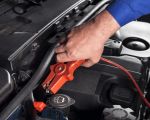
Towing a vehicle may seem like a straightforward task, but it requires proper knowledge, equipment, and precautions to ensure it's done safely. If you’re considering DIY towing, it’s crucial to understand when it's allowed and how to do it correctly to avoid damage to your vehicle or others. DIY towing is typically an option if you're towing a vehicle for short distances or in emergencies. Before proceeding, always check local laws to confirm whether it's permissible to tow your own vehicle under the given circumstances. Additionally, ensure that your vehicle and the equipment you use are fit for the job.
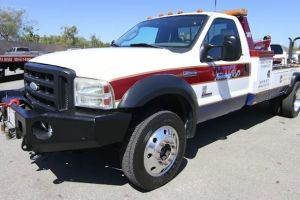
United Towing Service Inc.
26170 Adams Ave, Murrieta, CA 92562, USA
When to Call a Professional Towing Service
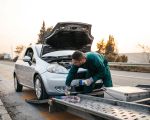
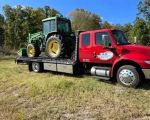
While DIY towing can be an option for some, there are instances where calling a professional towing service is the best choice. Professional towing companies are equipped with the proper tools, training, and experience to handle more complex or risky towing situations. If you're dealing with a large or heavy vehicle, or if your vehicle is in an inaccessible location, a professional tow is the safer choice. Experts know how to secure the vehicle properly, preventing further damage to both the vehicle being towed and the towing vehicle itself.
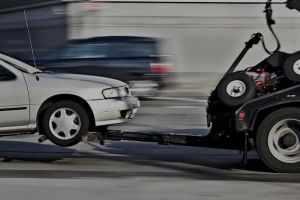
J & J Towing
4560 N Webster Ave, Perris, CA 92571, USA
1. Complex Towing Situations
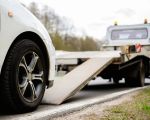
If the vehicle needs to be towed from a difficult location—such as from the side of a busy highway, a steep incline, or an area with limited access—it’s best to leave the job to professionals. They have specialized equipment like winches and flatbed trucks, which are necessary for safely removing a vehicle from tricky spots.
2. Towing a Luxury or Classic Vehicle
If you're towing a valuable vehicle, such as a luxury car or a classic vehicle, it’s wise to use a professional service. These types of vehicles require special care and attention during towing to avoid cosmetic or structural damage. Professionals can use the appropriate equipment to ensure your vehicle is towed without harm.
Essential Safety Tips for Towing
Whether you're towing a vehicle yourself or hiring a professional, safety should always be your top priority. Towing a vehicle comes with several risks, and improper handling can lead to accidents, injuries, or vehicle damage. Here are some key safety tips for towing:
1. Check the Towing Capacity
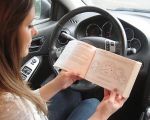
Ensure that the towing vehicle has the necessary towing capacity to handle the weight of the vehicle you're towing. This information can typically be found in the owner’s manual of the towing vehicle. Exceeding the weight capacity can strain the engine, damage the transmission, and cause safety issues on the road.
2. Use Proper Towing Equipment
Always use the right towing equipment, such as a towing hitch, safety chains, and tow straps, that is rated for the weight of the vehicle you’re towing. Improper equipment can break under the strain, causing accidents or damage to both vehicles.
3. Stay in Communication
If you're towing a vehicle with someone else, keep communication clear and constant. Use walkie-talkies or hand signals to coordinate turns, stops, and other maneuvers to ensure safety. This is especially important if you're towing a vehicle for the first time.
4. Monitor the Towing Vehicle
Regularly check the towing vehicle’s brakes, tires, and lights during the towing process. Ensure that everything is functioning correctly to prevent accidents. If you're towing for an extended period, stop frequently to check both vehicles.
Common Mistakes to Avoid When Towing
Many individuals make mistakes when towing a vehicle, which can lead to accidents or vehicle damage. Avoid these common errors to ensure a safe and successful towing experience:
1. Not Securing the Vehicle Properly
One of the most significant mistakes when towing is failing to secure the vehicle properly. Whether you’re using a tow rope, dolly, or flatbed, it’s essential to ensure that the vehicle is firmly attached to prevent it from shifting or becoming detached during towing.
2. Ignoring Local Laws
Different regions have different regulations regarding DIY towing. Make sure you're aware of the laws in your area before attempting to tow your vehicle yourself. Ignoring these laws can result in fines or legal trouble.
3. Overloading the Tow Vehicle
Always be mindful of the towing vehicle’s weight limits. Overloading can damage both the towing vehicle and the vehicle being towed, leading to mechanical failure or an accident.
If you’re unsure about towing your vehicle or need assistance, don't hesitate to call a professional towing service. For expert towing solutions and high-quality towing equipment, visit Rescue & Towing for the best products and services tailored to your needs.