
- Importance of Roadside Safety
- Immediate Actions to Take During a Roadside Emergency
- Essential Safety Measures to Protect Yourself
- Real-Life Scenarios and Lessons Learned
- Professional Resources for Roadside Emergency Support
Importance of Roadside Safety
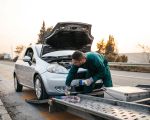
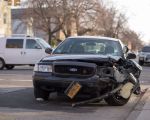
Encountering a roadside emergency can be stressful and potentially dangerous, especially when you’re unsure of the best safety practices. Knowing how to stay safe during a roadside emergency is vital not only for your own protection but also for the safety of other motorists and passengers. Roadside emergencies can include flat tires, engine failures, accidents, or running out of fuel — each scenario requiring calm, clear-headed decisions to minimize risks.
Understanding the dangers of standing near traffic, visibility issues at night or during bad weather, and the unpredictability of passing vehicles sets the foundation for safe conduct. This awareness helps prevent accidents and injuries, turning a difficult situation into a manageable one.

Expert Auto Care
2991 Grace Ln #4, Costa Mesa, CA 92626, USA
Why safety matters beyond the immediate breakdown
Often, roadside emergencies happen on busy highways or poorly lit roads, where drivers are focused on their own travel and may not notice stopped vehicles quickly. Taking proper precautions reduces the chance of secondary accidents, which are unfortunately common. Your safety is intertwined with the safety of emergency responders and towing personnel arriving on the scene, which makes following proper roadside emergency safety tips all the more important.
California Roadside Service
1426 S Allec St, Anaheim, CA 92805, USA
Immediate Actions to Take During a Roadside Emergency
When your vehicle breaks down or you experience an emergency, the first moments are critical. Here’s a detailed breakdown of what to do:
1. Safely move your vehicle off the road
If your car is still operable, pull over to the shoulder or as far away from moving traffic as possible. Use your mirrors and signals carefully to avoid sudden moves that could cause collisions.
2. Turn on hazard lights and use reflective devices
Immediately activate your hazard lights to alert other drivers. If available, place reflective triangles or flares behind your vehicle at increasing distances to enhance visibility, especially at night or in foggy conditions.
3. Stay inside the vehicle if safe
Unless the situation demands otherwise (such as a fire), it’s usually safer to remain inside the vehicle with seat belts fastened to protect from passing traffic. Exiting your car on a busy highway can expose you to significant danger.
4. Call for roadside assistance
Contact a trusted roadside assistance service such as Rescue & Towing to dispatch professional help. Providing clear location details and information about your situation ensures quick response.
Essential Safety Measures to Protect Yourself
Beyond the immediate steps, there are key practices that enhance safety during prolonged roadside emergencies:
Use high-visibility clothing
If you must exit your vehicle, wear reflective or bright clothing to increase your visibility to passing motorists.
Avoid standing between your vehicle and traffic
Stand on the side of your vehicle away from the road, preferably behind a guardrail or barrier if available. This reduces risk from oncoming cars.
Keep your phone charged and emergency numbers handy
Maintaining a charged phone ensures you can call for help without delay. Save contacts of local towing and roadside assistance services to avoid frantic searching during emergencies.
Prepare an emergency roadside kit
Having essentials like a flashlight, first aid supplies, water, and tools can make a huge difference in managing roadside emergencies safely and comfortably.
Real-Life Scenarios and Lessons Learned
Consider the experience of David, who once faced a flat tire on a busy interstate during a rainstorm. Instead of immediately stepping out, he followed proper roadside emergency safety advice: he moved his car as far right as possible, turned on hazard lights, and stayed inside until rescue arrived. This cautious approach prevented a dangerous accident as cars passed by at high speed.
Another case involved Maria, whose vehicle broke down late at night on a poorly lit road. Thanks to a reflective emergency kit she kept in her trunk, she was able to place warning triangles that alerted other drivers. Rescue & Towing reached her quickly, minimizing her wait time and exposure.
These stories highlight how preparation and calm adherence to safety practices can turn frightening roadside moments into manageable experiences.
Professional Resources for Roadside Emergency Support
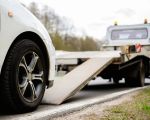
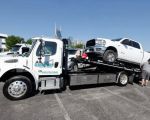
While personal safety measures are crucial, professional assistance ensures your vehicle’s issues are resolved efficiently and safely. Rescue & Towing offers reliable roadside emergency help, staffed by trained technicians equipped to handle towing, tire changes, jump-starts, and fuel delivery.
Choosing reputable providers not only guarantees quality service but also reduces time spent exposed to hazards. Rescue & Towing’s commitment to safety and transparency makes them a top choice for anyone seeking roadside help with peace of mind.
Incorporating these safety tips and having access to trusted services equips you to face roadside emergencies confidently and securely.