- understanding-tire-plug-kits
- preparing-for-roadside-tire-repair
- safe-step-by-step-use-of-a-tire-plug-kit
- avoiding-common-mistakes-in-tire-plug-use
- real-world-story-on-tire-plug-kit-usage
- where-to-find-quality-tire-plug-kits
1. Understanding Tire Plug Kits and Their Role in Emergency Repairs
When driving long distances or through remote areas, a sudden tire puncture can disrupt your plans and put your safety at risk. A tire plug kit is a practical tool designed for quick, temporary repairs to get you back on the road until professional help is available. Knowing how to safely use a tire plug kit on the road empowers drivers to handle minor tire emergencies effectively.
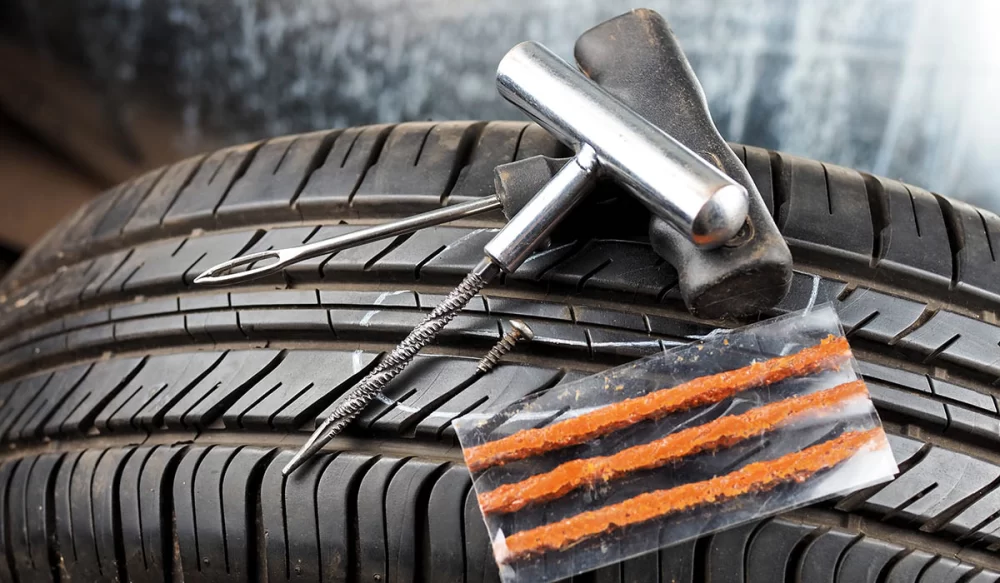
These kits typically contain rubber plugs, a reaming tool, insertion tool, and adhesive or sealant. They are especially useful for repairing small punctures caused by nails or sharp objects. However, improper use can lead to incomplete repairs, unsafe driving conditions, or further tire damage.

MR. TIRE INC.
2078 New York Ave, Huntington Station, NY 11746, USA
1.1 Components and Functionality of a Tire Plug Kit
A standard tire plug kit includes several key tools:
- Reaming Tool: Enlarges and cleans the puncture hole.
- Insertion Tool: Used to push the plug into the tire.
- Rubber Plugs (Tire Strings): Seal the puncture temporarily.
- Adhesive/Sealant: Helps secure the plug and prevent air leaks.
Understanding each part’s function is essential for performing an effective and safe repair on the road.
MR. TIRE INC.
2078 New York Ave, Huntington Station, NY 11746, USA
2. Preparing for Roadside Tire Repair
Before you begin using a tire plug kit on the road, proper preparation enhances safety and increases repair success.
2.1 Finding a Safe Spot and Securing Your Vehicle
Pull over to a flat, stable area away from traffic, ideally with enough space to work comfortably and safely. Turn on your hazard lights and engage the parking brake to prevent any accidental movement.
2.2 Inspecting the Tire Damage
Carefully examine the tire to confirm the puncture is suitable for a plug repair. Large tears, sidewall damage, or multiple punctures typically require professional service. Using a plug kit in these cases may be unsafe.
2.3 Gathering the Necessary Tools and Wearing Safety Gear
Lay out your tire plug kit and, if possible, wear gloves to protect your hands from dirt and sharp objects. Having a flashlight is also helpful if you’re working in low light conditions.
3. Safe Step-by-Step Use of a Tire Plug Kit on the Road
Performing the repair correctly is vital. Follow these detailed steps to use your tire plug kit safely and efficiently.
3.1 Step 1: Remove the Object Causing the Puncture
Using pliers or the kit’s tools, carefully extract the nail, screw, or sharp object from the tire. This creates the initial hole you will repair.
3.2 Step 2: Prepare the Puncture Hole
Insert the reaming tool into the hole and twist it several times to clean and slightly enlarge the puncture. This step ensures the plug adheres properly and air can be sealed effectively.
3.3 Step 3: Insert the Rubber Plug
Thread a rubber plug through the eye of the insertion tool until it is centered. Push the plug into the puncture hole firmly until only a small portion remains outside the tire. Then, pull the insertion tool out quickly, leaving the plug in place.
3.4 Step 4: Trim Excess Plug Material
Using a sharp knife or scissors, carefully trim the plug flush with the tire tread to prevent it from catching on the road or debris.
3.5 Step 5: Inflate the Tire and Check for Leaks
If you have a portable tire inflator, inflate the tire to the recommended pressure and listen for any escaping air. If possible, apply soapy water to the repair site to check for bubbles indicating leaks.
3.6 Step 6: Drive Carefully to a Professional for Permanent Repair
Remember, a tire plug kit is a temporary fix. Drive cautiously to the nearest tire professional to get a thorough inspection and permanent repair or replacement.
4. Avoiding Common Mistakes When Using a Tire Plug Kit
Many roadside repairs fail because of avoidable errors. Recognizing these pitfalls helps maintain your safety and extends the life of your tires.
4.1 Attempting Repairs on Unsuitable Damage
Using a plug kit on sidewall damage or large punctures can be extremely dangerous. If damage is extensive, call roadside assistance or visit a professional without delay.
4.2 Skipping the Reaming Step
Neglecting to clean and prepare the puncture hole reduces plug effectiveness and may cause air leaks. Take the time to ream thoroughly for a secure seal.
4.3 Ignoring Proper Inflation After Repair
Driving on an underinflated tire risks further damage or blowouts. Always check tire pressure after plugging and before continuing your journey.
5. Real-World Story Demonstrating Tire Plug Kit Safety
On a busy highway during a rainy night, a driver discovered a nail lodged in her tire. Thanks to her preparation and understanding of how to safely use a tire plug kit on the road, she quickly pulled over and executed a temporary repair. She ensured her vehicle was secure, followed each repair step carefully, and safely reached a tire shop for a professional fix.
This experience highlights how knowledge combined with the right tools can turn a stressful roadside emergency into a manageable situation, avoiding towing fees and prolonged delays.
6. Where to Find Quality Tire Plug Kits and Services
For those interested in equipping their vehicle with reliable tire plug kits or seeking professional roadside assistance, Rescue & Towing offers a curated selection of top-quality products and expert services. Their knowledgeable team can guide you in choosing the right kit and provide timely support when you need it most.
Being prepared with trusted tools and professionals ensures peace of mind during every journey.