- understanding-tire-inflator-kits
- preparation-before-using-the-kit
- step-by-step-guide-to-using-a-tire-inflator-kit
- common-mistakes-and-how-to-avoid-them
- real-life-case-study-on-tire-inflator-safety
- where-to-find-reliable-tire-inflator-products
1. Understanding Tire Inflator Kits and Their Importance
When it comes to maintaining your vehicle’s tires, a tire inflator kit can be an indispensable tool. These kits typically include an air compressor, pressure gauge, and sometimes a sealant to temporarily fix punctures. Understanding how to safely use a tire inflator kit not only ensures your tires stay properly inflated but also can save you from being stranded on the roadside.
Safety is paramount with these devices, as improper use can cause over-inflation, damage to tires, or even injury. Many drivers underestimate the importance of familiarizing themselves with their inflator kit before an emergency happens. By mastering its use ahead of time, you ensure smooth, safe operation when it counts.
MR. TIRE INC.
2078 New York Ave, Huntington Station, NY 11746, USA
1.1 Key Components of a Tire Inflator Kit
A typical tire inflator kit includes:
- Compressor Unit: The heart of the kit that pumps air into the tire.
- Pressure Gauge: Measures the tire pressure to help you avoid over or under-inflation.
- Sealant: Often included to temporarily seal small punctures before a permanent repair.
Knowing each part's function allows users to operate the kit confidently and safely.
MR. TIRE INC.
2078 New York Ave, Huntington Station, NY 11746, USA
2. Preparation Before Using the Tire Inflator Kit
Proper preparation is the first step to safely using any tire inflator kit. This phase involves several key safety checks and precautions to avoid accidents or ineffective inflation.
2.1 Inspecting the Tire and Inflator Kit
Before connecting the inflator, visually inspect the tire for visible damage such as cuts, bulges, or large punctures that may require professional assistance. Also, examine the inflator kit to ensure all parts are intact and the power source (often the car’s 12V outlet or battery) is functioning correctly.
2.2 Reading the Vehicle’s Recommended Tire Pressure
Consult your vehicle’s manual or the sticker typically found on the driver’s side door jamb for the recommended tire pressure. This number is crucial to avoid under-inflating, which can cause poor fuel efficiency and tire wear, or over-inflating, which risks tire blowouts.
2.3 Safety Gear and Environment
Always perform inflation on a flat, stable surface, away from traffic. Wearing gloves and safety glasses is recommended to protect yourself from unexpected debris or compressor malfunctions.
3. Step-by-Step Guide to Using a Tire Inflator Kit
Follow these steps carefully to safely inflate your tires:
3.1 Step 1: Connect the Inflator to the Power Source
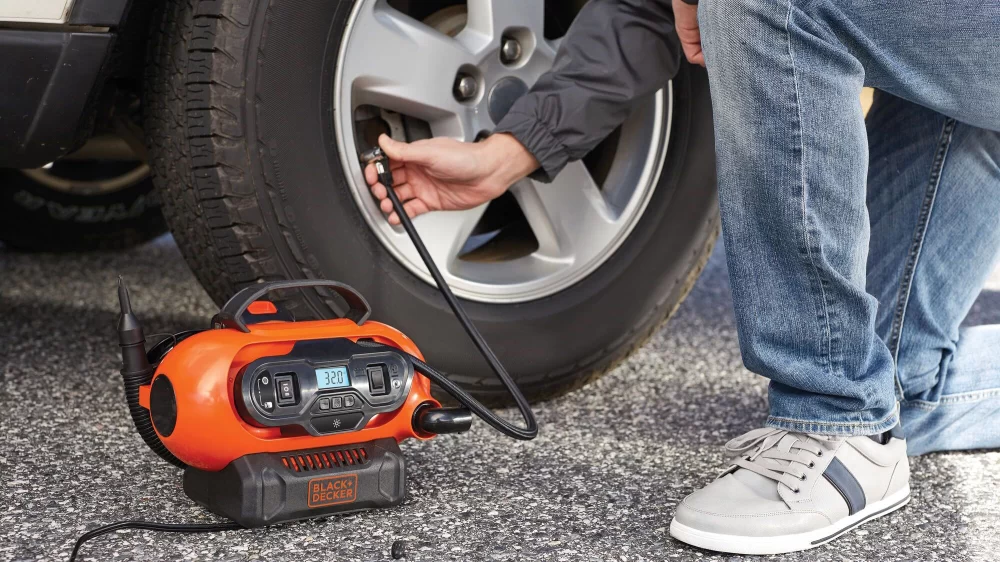
Plug your tire inflator kit into the vehicle’s 12V power outlet or other specified power source. Make sure the connection is secure to prevent interruptions during inflation.
3.2 Step 2: Attach the Hose to the Tire Valve
Remove the valve cap from the tire and firmly connect the inflator hose to the valve stem. Ensure there is no air leakage by securing the connection properly.
3.3 Step 3: Turn on the Inflator and Monitor Pressure
Switch on the inflator and keep an eye on the pressure gauge. Inflate the tire gradually, checking frequently to reach the recommended pressure. Avoid the temptation to rush, as rapid inflation can cause overheating or inaccurate readings.
3.4 Step 4: Disconnect and Replace the Valve Cap
Once the correct pressure is achieved, turn off the inflator, carefully detach the hose, and replace the valve cap tightly. This step prevents dirt and moisture from entering the valve.
3.5 Step 5: Inspect the Tire Post-Inflation
Check the tire visually again and, if your kit includes sealant, ensure any punctures have been adequately sealed. If you notice irregularities, seek professional assistance immediately.
4. Common Mistakes and How to Avoid Them
Even experienced users can fall into common pitfalls when using tire inflator kits. Recognizing these mistakes helps prevent accidents and prolongs the life of your tires.
4.1 Over-Inflating the Tire
One of the most frequent errors is inflating the tire beyond the manufacturer’s recommended pressure. Over-inflation can lead to a harsh ride, uneven tire wear, and in extreme cases, tire failure. Always double-check the pressure gauge and stop inflating once the recommended PSI is reached.
4.2 Ignoring Tire Damage
Some punctures or damages are too severe for an inflator kit and require professional repair or replacement. Attempting to use a kit on severely damaged tires can be dangerous. When in doubt, consult a tire specialist.
4.3 Using the Kit Without Reading the Manual
Each tire inflator kit may have specific operational nuances. Skipping the user manual increases the risk of misuse. Take the time to read instructions thoroughly before the first use.
5. Real-Life Case Study on Tire Inflator Safety
A notable incident involved a driver who successfully avoided a roadside emergency thanks to a properly used tire inflator kit. On a rainy evening, she noticed her tire pressure warning light and quickly pulled over to check. Using her tire inflator kit, she carefully inflated her tires to the correct pressure, preventing a potential blowout on a busy highway.
Her preparedness and understanding of tire inflator safety made all the difference, highlighting the importance of knowing how to use these tools safely and effectively.
6. Where to Find Reliable Tire Inflator Products and Services
For anyone looking to purchase a high-quality tire inflator kit or seeking professional assistance, Rescue & Towing offers a curated selection of the best products and services tailored for vehicle owners. Their expert team can help you find the right inflator kit that fits your vehicle and usage needs, ensuring safety and reliability.
Investing in a trusted provider not only guarantees quality products but also access to expert advice, which is invaluable for first-time users or those seeking to upgrade their tire maintenance toolkit.