- Preparing-Your-Motorcycle-for-Towing
- Choosing-the-Right-Towing-Equipment
- Step-by-Step-Safe-Towing-Methods
- Common-Mistakes-and-How-to-Avoid-Them
- Professional-Towing-Services-and-When-to-Use-Them
1. Preparing Your Motorcycle for Towing
Before attempting to tow a motorcycle, thorough preparation is essential. Towing a bike isn’t as simple as hooking it up and driving away; motorcycles have unique vulnerabilities that demand care and attention. First, assess the motorcycle’s condition—check the tires, suspension, and frame for any existing damage that could worsen during towing.
Draining excess fuel or ensuring the fuel tank is secure prevents leaks during transport. Remove any loose accessories, such as saddlebags or windshield attachments, to avoid damage or loss. Another critical preparation step is to secure the handlebars in a straight position, which stabilizes the bike during the tow and reduces stress on the steering mechanism.
This stage sets the foundation for a safe towing process and helps prevent costly repairs after transit.
Expert Auto Care
2991 Grace Ln #4, Costa Mesa, CA 92626, USA
Understanding the Impact of Proper Preparation
Many motorcycle owners underestimate how vital preparation is. A story from a fellow rider highlights this perfectly: during a cross-country move, he failed to secure his handlebars properly. On a bumpy road, the bike swayed excessively, damaging the front fork and leading to expensive repairs. His experience emphasizes why this step should never be overlooked.
ExperTec Automotive
7680 Talbert Ave, Huntington Beach, CA 92648, USA
2. Choosing the Right Towing Equipment
Using the correct equipment is the next crucial element in towing a motorcycle safely. Not all towing tools are created equal—each has specific features suited for different bike types and towing scenarios.
Common options include:
Motorcycle Dollies
These devices lift the front or rear wheel off the ground, allowing the motorcycle to roll smoothly during towing. Dollies are excellent for short-distance moves, but they require careful handling to avoid instability.
Trailers Designed for Motorcycles
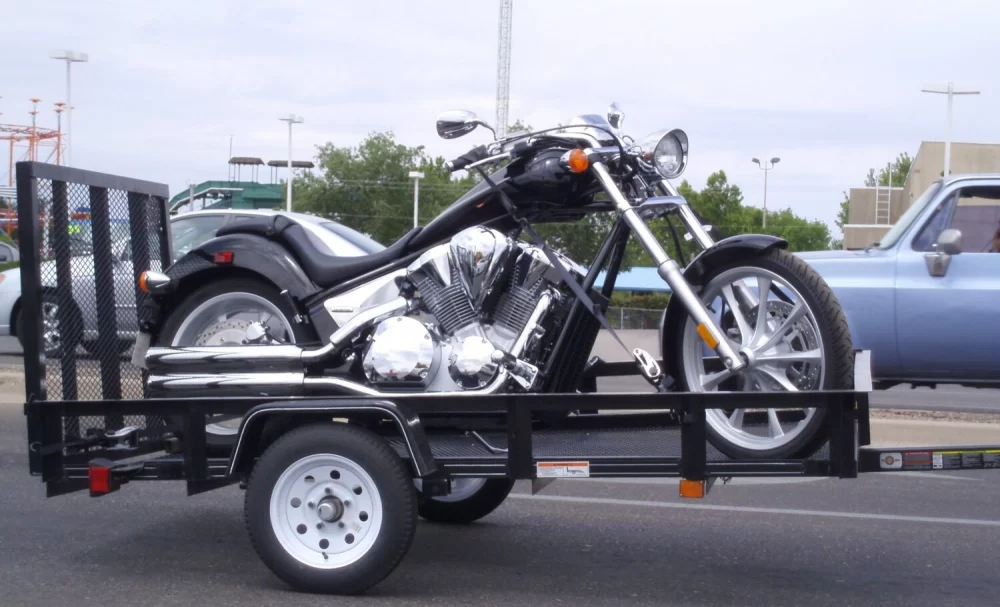
Enclosed or open trailers equipped with wheel chocks and tie-down anchors offer maximum protection. They prevent the bike from tipping and shield it from weather and road debris.
Heavy-Duty Tie-Down Straps
When using dollies or trailers, securing the motorcycle with strong tie-down straps is non-negotiable. Ratchet straps with padded hooks reduce pressure points on the frame and avoid scratches or dents.
Choosing Equipment Based on Bike Weight and Size
For heavier bikes, like cruisers or touring models, heavy-duty trailers and straps are indispensable. Lightweight sport bikes may be safely towed on smaller dollies, but always confirm weight limits specified by the equipment manufacturer.
3. Step-by-Step Safe Towing Methods
After preparation and equipment selection, following a reliable towing method is critical. Here’s a detailed approach to towing a motorcycle safely:
Step 1: Positioning the Motorcycle
Ensure the motorcycle is centered on the dolly or trailer, with the front wheel firmly seated in the wheel chock. Double-check that the handlebars remain locked in a straight position.
Step 2: Securing the Motorcycle
Use at least four tie-down straps—two on the front forks and two on the rear frame or passenger footpeg mounts. Avoid tightening straps directly over the gas tank or fragile parts. Straps should be tight enough to prevent movement but not so tight as to damage the frame.
Step 3: Verifying Stability
Once strapped, gently rock the bike to confirm it remains stable and does not shift. Inspect all connection points for any signs of looseness.
Step 4: Driving Considerations
While towing, keep speed moderate, avoid sudden braking or sharp turns, and plan a route with smooth roads. Rough terrains and high speeds increase the risk of instability and potential damage.
Step 5: Unloading Safely
When reaching your destination, reverse the loading steps carefully. Maintain control of the motorcycle as you unstrap and move it off the dolly or trailer to avoid falls.
4. Common Mistakes and How to Avoid Them
Many motorcycle owners unintentionally make errors that compromise the safety of their bike during towing. Here are frequent pitfalls and expert advice to avoid them:
Ignoring Weight Limits
Overloading equipment can lead to failure mid-transport. Always check the weight ratings of dollies, trailers, and straps before use.
Using Inappropriate Tie-Down Points
Strapping to plastic parts or fragile accessories risks breakage. Always attach straps to sturdy frame components.
Failing to Check Tire Pressure
Underinflated tires may deform under load, causing instability. Inflate tires to the manufacturer’s recommended pressure before towing.
Neglecting Regular Inspections
Periodic checks during long trips ensure straps remain tight and equipment stays intact. Stopping every 50–100 miles to inspect can prevent disasters.
5. Professional Towing Services and When to Use Them
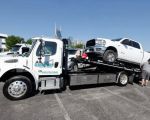
Sometimes, despite all precautions, towing a motorcycle yourself may not be the best option. Professional services specializing in motorcycle towing offer expertise, specialized equipment, and peace of mind.
These services come into play especially when:
- The motorcycle is damaged or inoperable and requires careful handling.
- You lack the proper equipment or experience.
- The tow involves long distances or complicated routes.
Many riders share stories of how trusting a professional towing company saved them from potential damage or logistical headaches. For reliable and safe motorcycle towing services, consider checking out Rescue & Towing, where expert teams provide tailored solutions and high-quality gear for all your towing needs.
Choosing professional help can also free you from stress, letting you focus on your journey ahead rather than worrying about your bike’s safety.