- Understanding-the-ignition-coil-wire
- Tools-and-preparation-for-replacing-the-ignition-coil-wire
- Step-by-step-guide-to-replacing-a-car-ignition-coil-wire
- Common-mistakes-to-avoid-when-replacing-ignition-coil-wires
- When-to-seek-professional-help
Understanding the Ignition Coil Wire
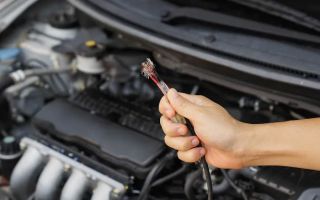
The ignition coil wire plays a crucial role in your vehicle’s ignition system by carrying the high voltage from the ignition coil to the spark plugs, which ignites the air-fuel mixture in the engine cylinders. When this wire becomes worn, damaged, or corroded, your car may experience misfires, poor fuel economy, or even fail to start. Knowing how to replace a car's ignition coil wire can empower you to handle minor repairs and save money on mechanic visits.
Sam's Club Tire & Battery
3600 O'Neill Dr, Jackson, MI 49202, USA
The function and importance of ignition coil wires
Ignition coil wires are designed to withstand high voltage and extreme engine conditions. Over time, exposure to heat, oil, and engine vibrations can degrade their insulation and conductivity. This degradation may cause electrical resistance, leading to weak sparks or no spark at all, which compromises engine performance.

Firestone Complete Auto Care
200 S California St, Ventura, CA 93001, USA
Tools and Preparation for Replacing the Ignition Coil Wire
Essential tools you’ll need
Before starting the replacement, gather these tools: a set of ignition coil wires compatible with your car model, a ratchet wrench with appropriate sockets, dielectric grease, and gloves for safety. Having a service manual for your specific vehicle is highly recommended to identify wire routing and connections accurately.
Safety and preparation tips
Always ensure the engine is cool before you begin to avoid burns. Disconnect the battery to prevent any accidental electrical shorts. Take photos or label each ignition coil wire to ensure you reconnect them correctly, as miswiring can cause severe engine damage.
Step-by-Step Guide to Replacing a Car Ignition Coil Wire
1. Locate the ignition coil wires
Open the hood and find the ignition coil and the wires connecting it to the spark plugs. Your service manual will help identify each wire’s correct position.
2. Remove the old ignition coil wire carefully
Grip the boot (the thick end covering the connection point) firmly and twist slightly to break the seal before pulling it off. Avoid pulling the wire directly to prevent damage to connectors or spark plugs.
3. Inspect and clean connection points
Check the ignition coil terminals and spark plug connectors for corrosion or dirt. Clean gently with a cloth or electrical cleaner if needed.
4. Apply dielectric grease
Before installing the new wire, apply a thin layer of dielectric grease inside each boot to ensure a solid electrical connection and protect against moisture.
5. Install the new ignition coil wire
Connect the new wire by pushing the boots firmly onto the ignition coil and spark plug terminals until you hear or feel a click, confirming a secure fit. Repeat for all wires being replaced.
6. Reconnect the battery and test the engine
Once all wires are replaced, reconnect the battery and start the engine. Listen for smooth running and check for any warning lights. If everything runs well, the replacement was successful.
Common Mistakes to Avoid When Replacing Ignition Coil Wires
1. Mixing up wire positions
Each ignition coil wire corresponds to a specific cylinder. Reversing the wires can cause engine misfires and damage. Using labels or photos before removal helps prevent this mistake.
2. Pulling wires improperly
Pulling the wire itself rather than the boot can damage connectors and lead to costly repairs. Always handle by the boot end.
3. Skipping dielectric grease application
Neglecting this step can allow moisture or dirt to interfere with connections, leading to premature failure of the new wires.
When to Seek Professional Help
If you encounter difficulty identifying the ignition coil wires, or if your car continues to misfire after replacement, it may indicate a deeper ignition or engine issue. In these cases, professional diagnostics and repair are recommended. Rescue & Towing offers reliable services and can direct you to trusted shops with quality ignition system parts and expert technicians.
Real-World Insight
A driver from New York shared how learning to replace ignition coil wires saved him a $200 mechanic fee. After experiencing frequent engine misfires, he followed an online guide and successfully replaced the wires himself, restoring his car’s performance. His story shows that with the right knowledge and tools, car maintenance can be empowering and economical.