- 1. Understanding Flood Damage to Vehicles
- 2. Immediate Steps After Your Car Has Been Flooded
- 3. How to Assess Flood Damage to Your Vehicle
- 4. Cleaning and Drying Your Car After Flooding
- 5. Working with Insurance After Flooding
- 6. Real-Life Stories of Car Recovery from Flood Zones
- 7. Professional Towing and Recovery Services for Flooded Cars
1. Understanding Flood Damage to Vehicles
Experiencing a flood can be devastating, especially if your car is caught in the rising water. Whether it’s from a hurricane, heavy rains, or flash floods, vehicles submerged in water can suffer significant damage. Flooding can affect all aspects of a car, including its engine, electrical systems, and interior components. Understanding the potential damage caused by flooding is crucial in determining whether your car can be recovered or if it needs to be replaced.
Cars that are submerged in water often experience damage to the transmission, alternator, battery, and other crucial components. Even if the water level was low enough to not fully submerge the engine, the car can still be damaged. Once the water touches the electrical systems, corrosion and rust can occur, potentially rendering parts unusable. It’s essential to act quickly to assess and recover a flooded car to prevent long-term issues.
AutoZone Auto Parts
5701 Broadway, Bronx, NY 10463, USA
2. Immediate Steps After Your Car Has Been Flooded
If you find yourself in a situation where your car has been flooded, immediate action can make a significant difference in preventing further damage. Here are the first steps to take after your car has been exposed to floodwaters:
Pick Your Part - Help Yourself
1232 Blinn Ave, Wilmington, CA 90744, USA
1. Stay Safe and Avoid Contact with Floodwaters
Floodwaters can contain hazardous substances such as sewage, chemicals, and debris. Never attempt to enter a flooded car or drive through floodwaters unless it’s absolutely safe to do so. The first priority is your safety, so wait until the floodwaters have receded or it is safe to approach the vehicle.
2. Disconnect the Battery
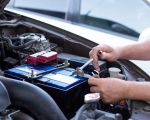
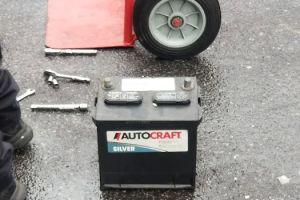
One of the first actions you should take is disconnecting the car battery to prevent electrical shorts or further damage. Even if the car hasn’t been submerged fully, water can still cause electrical issues. Removing the battery can help minimize the risk of short circuits, which could prevent further issues when trying to start or repair the car.
3. Call for Professional Help
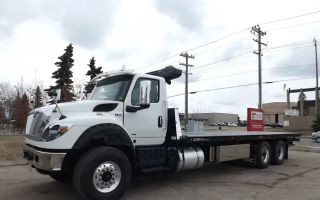
If your vehicle is stuck or submerged, it's important to call for professional help immediately. A towing service can help retrieve your car safely from the flooded zone, which may involve using a flatbed tow truck or a boat, depending on the depth of the water. Many towing services, such as Rescue & Towing, specialize in emergency recovery, including flooded vehicle removal, ensuring that the vehicle is handled with care during the recovery process.
3. How to Assess Flood Damage to Your Vehicle
Once your car is safely removed from the flood zone, the next step is to assess the extent of the damage. Properly evaluating the damage is crucial to determining whether the car can be repaired or if it’s considered a total loss. Here are some key areas to inspect:
1. Inspect the Exterior
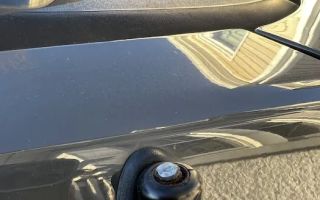
Check the exterior of the car for signs of rust, corrosion, or any other visible damage caused by prolonged exposure to water. Pay attention to the undercarriage and wheel wells, as these areas are especially vulnerable to water and debris damage. If the car has been submerged for an extended period, the paint and body may show signs of damage, which may require extensive repairs.
2. Assess the Interior
The interior of your car can also suffer from water damage, especially if the seats, carpets, and upholstery are soaked. Remove the floor mats and check for water pooling. If the water level reached the seats, the upholstery may need to be replaced. In cases where the water reached the dashboard or electronics, the car’s internal systems may have suffered permanent damage, requiring costly repairs.
3. Check the Engine and Transmission
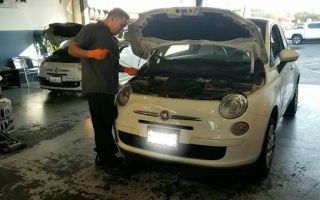
The engine and transmission are the most crucial components to check. Water in the engine can lead to catastrophic damage, including rusting and corrosion of vital engine parts. If water has entered the engine, it may cause the engine to seize or fail completely. A professional mechanic should perform a thorough inspection of the engine, transmission, and other essential systems to determine whether they can be salvaged or need to be replaced.
4. Cleaning and Drying Your Car After Flooding
Once the water has receded and you’ve assessed the damage, the next step is to clean and dry your car. Proper cleaning and drying are essential to minimize the risk of mold, rust, and further corrosion. Here are some steps to take:
1. Remove All Moisture
Moisture is one of the biggest risks after a flood. You must remove all water from the car as soon as possible. Use a wet/dry vacuum to remove standing water, and then remove the seats, carpets, and other removable items. These parts should be thoroughly dried and disinfected to prevent mold growth. Leave the doors and windows open to allow air circulation and speed up the drying process.
2. Clean the Interior
Once the car is dry, thoroughly clean the interior, especially areas where water was trapped. This includes wiping down the dashboard, door panels, and seat surfaces. If necessary, use disinfectants or cleaners designed for vehicles to ensure that any lingering bacteria or contaminants are removed. A professional cleaning service may be able to handle more severe cases of water damage.
3. Dry the Electrical Systems
The electrical systems of a flooded car are extremely vulnerable. Drying out the wiring, fuses, and other electrical components can prevent corrosion and short-circuiting. A professional technician can help you dry and clean these systems if you’re unsure how to handle it yourself.
5. Working with Insurance After Flooding
If your car has been flooded, it’s essential to report the damage to your insurance company as soon as possible. Many car insurance policies offer coverage for flood damage under comprehensive insurance, which covers non-collision-related damages like flooding, vandalism, or natural disasters.
1. Review Your Insurance Policy
Check your insurance policy to see if flood damage is covered. If you have comprehensive coverage, your insurance should cover the repairs or replacement costs for flood damage. Make sure to document all damages thoroughly and keep receipts for any repairs or cleaning done.
2. Work with Your Adjuster
Your insurance adjuster will assess the extent of the flood damage and help determine if your car can be repaired or if it’s a total loss. Be sure to provide them with all necessary documentation, including photos of the damage and repair estimates. If your car is deemed a total loss, your insurance will typically provide compensation based on its value before the flood.
6. Real-Life Stories of Car Recovery from Flood Zones
Many car owners have shared their experiences of recovering their vehicles from flood zones. For example, Jane, who lived in a flood-prone area, recalled how her car was submerged for days after heavy rains. She immediately called a professional towing service to retrieve the car and was able to save her vehicle by quickly drying it and addressing the engine’s issues with the help of her mechanic.
Similarly, Mark had his vehicle flooded during a hurricane and was devastated to learn that his car had suffered extensive water damage. However, with the help of his insurance provider and a skilled mechanic, he managed to restore the car to full functionality, saving him thousands of dollars in replacement costs.
7. Professional Towing and Recovery Services for Flooded Cars
When dealing with a flooded vehicle, it’s essential to have professionals involved to ensure the car is recovered safely and efficiently. Many towing companies, such as Rescue & Towing, specialize in emergency recovery and flood damage services. They have the equipment and expertise to safely retrieve a flooded car, assess its condition, and help you navigate the next steps in the recovery process.
In conclusion, recovering a car from a flood zone can be challenging, but with the right approach, it’s possible to salvage your vehicle and minimize long-term damage. Always act quickly, assess the damage thoroughly, and work with professionals to restore your car to its best possible condition. If you're unsure about the process, don’t hesitate to reach out to experienced towing and recovery services for assistance.