- 1-Understanding-Winter-Towing-Challenges
- 2-Preparing-Your-Car-Before-Towing
- 3-Best-Practices-During-Winter-Towing
- 4-Post-Towing-Vehicle-Care-in-Winter
- 5-Real-Life-Examples-and-Professional-Advice
1. Understanding Winter Towing Challenges
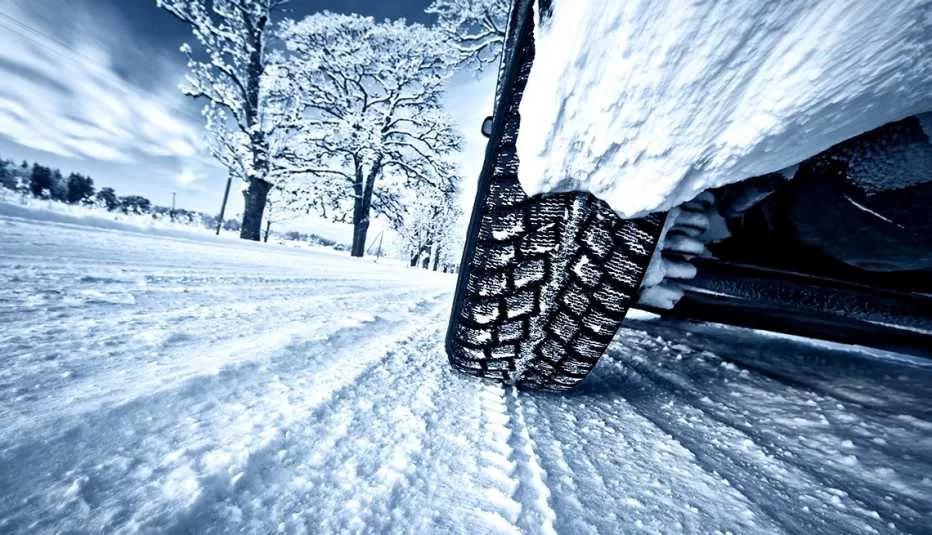
Towing a vehicle during winter presents unique challenges that can easily catch car owners unprepared. Cold temperatures, icy roads, and the increased risk of mechanical issues make it crucial to approach winter towing with heightened awareness. Vehicles are more susceptible to battery failures, tire damage, and brake problems when exposed to harsh winter conditions, especially during towing, which can strain parts even further.
One of the biggest challenges is maintaining traction on slick roads. Snow and ice can cause slipping, making it dangerous not only for the towed car but also for the towing vehicle. Additionally, cold weather thickens fluids like engine oil and transmission fluid, which can reduce vehicle performance during towing. Understanding these factors is the first step toward protecting your car during winter towing.
United Towing Service Inc.
26170 Adams Ave, Murrieta, CA 92562, USA
1.1 The Impact of Cold Weather on Vehicle Components
In cold weather, rubber components such as tires and suspension bushings become less flexible, increasing the risk of cracking or damage under the stress of towing. Battery power is also reduced, which might affect electronic systems that are vital during towing. Furthermore, freezing temperatures can cause brake lines to freeze or become sluggish, compromising safety. Recognizing how winter weather affects these parts helps in planning effective protection strategies.

Pick Your Part - Help Yourself
1232 Blinn Ave, Wilmington, CA 90744, USA
1.2 Risks Specific to Winter Towing
Slippery surfaces increase the likelihood of accidents during towing. Additionally, salt and road chemicals used for ice control can accelerate corrosion on the vehicle’s undercarriage and metal parts. Without proper precautions, towing in winter can inadvertently cause more harm than good, underscoring the importance of thorough preparation and care.
2. Preparing Your Car Before Towing
Proper preparation is key to protecting your car during winter towing. Before attaching your vehicle for towing, it’s essential to take steps that minimize stress and prevent damage.
2.1 Inspect and Maintain Essential Components
Start by checking the tire pressure; cold air contracts tires, so inflating them to the recommended levels is necessary to avoid uneven wear or blowouts during towing. Next, inspect brake functionality, ensuring the brakes are responsive and free from ice buildup. Checking fluid levels and topping off or replacing with winter-grade oil and antifreeze will help your engine and cooling system withstand the cold.
2.2 Secure Loose Parts and Protect the Exterior
Before towing, secure any loose parts such as mirrors or antennas that could be damaged by wind or debris. It’s also wise to cover sensitive areas, like the windshield and lights, with protective film or plastic sheeting to shield against flying ice and road salt. Applying a rust-resistant coating underneath the vehicle can prevent corrosion from road chemicals encountered during towing.
2.3 Choose the Right Towing Equipment
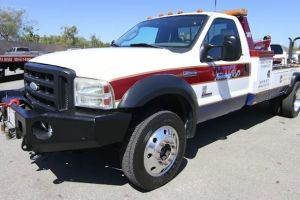
Using appropriate towing gear designed for winter conditions significantly reduces the risk of damage. Equipment like tire straps instead of chains can prevent scratching and freezing around the wheels. Confirm that the tow vehicle and towing method suit your car’s size and weight to avoid mechanical strain. For instance, flatbed towing is often preferred in winter to reduce wheel contact with icy roads.
3. Best Practices During Winter Towing
Once the preparation is complete, following best practices during the towing process is critical to safeguard your vehicle effectively.
3.1 Drive Slowly and Smoothly
Speed control is vital in winter towing. Driving slowly helps maintain traction and reduces sudden jolts that can damage your car’s drivetrain or suspension. Sudden braking or accelerating should be avoided to prevent skidding. Maintaining a steady, cautious pace allows the tow vehicle and towed car to move harmoniously over slippery surfaces.
3.2 Monitor Towing Equipment and Vehicle Conditions
Keep an eye on towing straps, chains, or hooks during the trip. In winter, materials can become brittle and more prone to snapping. Periodically checking for looseness or wear will help prevent accidents. Additionally, watch for any unusual noises or handling issues from the towed vehicle, which could signal mechanical problems that need immediate attention.
3.3 Communication Between Drivers (If Applicable)
If towing with a second driver in the towed vehicle, clear communication is essential. The driver can help monitor road conditions, brake performance, and any vehicle malfunctions that might occur. This collaborative approach enhances safety, especially in challenging winter conditions.
4. Post-Towing Vehicle Care in Winter
After completing the towing process, the care your vehicle receives can determine whether any damage incurred can be quickly fixed or prevented from worsening.
4.1 Thorough Inspection and Cleaning
Inspect your vehicle immediately after towing for any signs of damage or wear, especially under the chassis and around the wheels. Road salt and chemicals can accelerate rust if left untreated, so a thorough wash — particularly of the undercarriage — is recommended. Removing salt buildup promptly helps maintain your vehicle’s longevity.
4.2 Mechanical Checkups
Cold towing can stress the engine, transmission, and brakes, so having a trusted mechanic perform a post-towing inspection is wise. Checking for fluid leaks, brake wear, or any signs of component fatigue will allow timely repairs. Preventive maintenance after winter towing ensures your car stays reliable through the cold season.
4.3 Battery Care and Warm-Up Tips
Since winter towing can drain the battery, make sure to recharge or replace it if necessary. Also, allow the engine to warm up properly before driving to let fluids circulate effectively. These steps reduce the chance of breakdowns and enhance overall vehicle performance in freezing weather.
5. Real-Life Examples and Professional Advice
Consider the story of a driver in Minnesota who attempted to tow his SUV on a snowy highway without winter-specific preparation. The vehicle’s tires slipped repeatedly, and ice buildup on the brake lines caused the towed car to sway dangerously. This close call emphasizes the importance of winter towing precautions.
Professional towing services like Rescue & Towing have witnessed many such incidents and recommend always using flatbed towing in winter to minimize wheel and brake stress. Their experts also advise drivers to keep emergency kits, including traction mats and blankets, ready during winter towing trips.
Furthermore, Rescue & Towing offers tailored winter towing solutions and products to ensure your vehicle is protected and handled with care. Whether you need specialized towing equipment or on-the-spot assistance, their services combine expertise and winter readiness, making them a trusted partner for anyone facing winter towing challenges.