- Understanding the Causes of Tire Punctures
- Maintaining Proper Tire Pressure and Condition
- Road Awareness and Driving Habits to Avoid Punctures
- Choosing Quality Tires and Protective Accessories
- When to Seek Professional Help for Tire Issues
1. Understanding the Causes of Tire Punctures
To effectively prevent tire punctures on the road, it’s crucial first to understand what causes them. Common culprits include sharp objects such as nails, screws, glass shards, and debris left on roadways. Construction zones and poorly maintained roads often harbor these hazards. Additionally, sudden temperature changes can weaken tire materials, making them more susceptible to damage.
Consider the case of a driver who hit a patch of scattered metal shards on a rural highway late at night. The resulting puncture not only stalled their journey but also led to costly repairs. Such incidents underline the importance of vigilance and preparedness when driving, especially in unfamiliar areas.
MR. TIRE INC.
2078 New York Ave, Huntington Station, NY 11746, USA
1.1 The Role of Road Conditions
Badly maintained roads increase the risk of encountering debris and sharp objects. Potholes, cracks, and uneven surfaces can also cause stress and damage to tires, indirectly increasing the chances of punctures.
MR. TIRE INC.
2078 New York Ave, Huntington Station, NY 11746, USA
1.2 Environmental Factors Impacting Tire Integrity
Extreme heat can cause tires to expand and become fragile, while cold weather might lead to contraction and cracking. Both extremes increase vulnerability to punctures, emphasizing the importance of routine tire inspections.
2. Maintaining Proper Tire Pressure and Condition
Proper tire maintenance is one of the most effective ways to prevent tire punctures on the road. Under-inflated or over-inflated tires are more prone to damage, as improper pressure causes uneven wear and reduces the tire’s ability to absorb road shocks.
Regularly checking your tire pressure using a reliable gauge, ideally once a month, ensures optimal performance. It’s equally important to inspect the tread depth and sidewalls for signs of wear or damage.
2.1 Routine Visual Inspections
Look for cuts, bulges, embedded objects, or uneven tread wear. Catching issues early can prevent a minor problem from turning into a roadside emergency.
2.2 The Importance of Tire Rotation and Alignment
Rotating your tires every 5,000 to 8,000 miles and maintaining proper wheel alignment distributes wear evenly, enhancing tire longevity and reducing puncture risks.
3. Road Awareness and Driving Habits to Avoid Punctures
Mindful driving can dramatically reduce the chance of tire damage. Staying alert to the road surface and avoiding debris is essential. This means slowing down in construction zones, avoiding potholes, and steering clear of visible sharp objects.
A memorable example involves a courier driver who managed to avoid multiple punctures by consciously altering her driving line to avoid roadside debris during a busy delivery route. This not only saved time but also repair costs.
3.1 Adjusting Driving Speed According to Conditions
Driving at moderate speeds on rough roads lessens impact shocks on tires, minimizing the likelihood of punctures.
3.2 Keeping a Safe Distance and Clear Vision
Maintaining enough distance from vehicles ahead allows better reaction time to avoid debris thrown onto the road.
4. Choosing Quality Tires and Protective Accessories
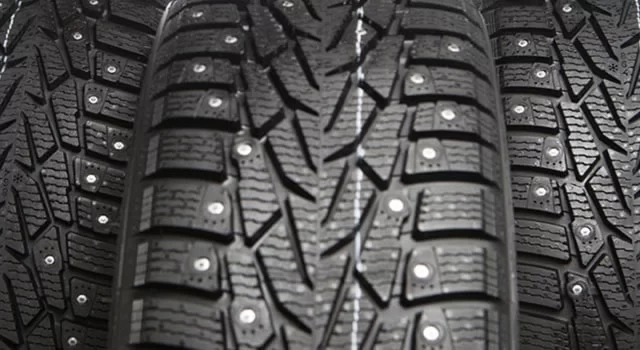
Investing in high-quality tires designed with puncture-resistant features can provide an extra layer of protection. Many tires now incorporate reinforced sidewalls or thicker tread layers that are more resilient to sharp objects.
Additionally, tire sealants and protective liners can be used as preventive measures, sealing small punctures instantly and reducing the chances of a sudden blowout.
4.1 Benefits of Run-Flat Tires
Run-flat tires allow drivers to continue driving a limited distance after a puncture, providing a safer way to reach service points without immediate roadside risk.
4.2 Protective Products and Services
At Rescue & Towing, you can find a range of tire protection products and services tailored to keep your vehicle safe on the road. Their expertise helps drivers choose the best solutions to prevent tire punctures effectively.
5. When to Seek Professional Help for Tire Issues
Even with the best preventive practices, tire punctures may still occur. Knowing when to get professional assistance is key to safety. If you notice sudden air loss, uneven wear, or damage that looks suspicious, visiting a tire specialist promptly is wise.
Emergency roadside assistance services like those offered by Rescue & Towing can provide quick and reliable support to get you safely back on the road, minimizing disruption and risk.
5.1 Recognizing Signs of Imminent Tire Failure
Frequent air pressure drops, visible cracks, or vibrations while driving should never be ignored as they often precede punctures or blowouts.
5.2 Preparing for Roadside Emergencies
Keep a quality spare tire, a tire repair kit, and a portable air compressor in your vehicle. However, knowing when to call professionals can save time and stress.
By combining awareness, maintenance, quality equipment, and professional support, drivers can effectively prevent tire punctures on the road and ensure safer, smoother journeys. For tailored advice and the best tire-related services, Rescue & Towing stands ready to assist with expertise and trusted solutions.