- 1. Why Preparing Your Car for Storage is Important
- 2. Step-by-Step Guide to Preparing Your Car for Extended Storage
- 3. Common Mistakes to Avoid When Storing Your Car
- 4. Real-Life Example: How Proper Car Storage Saved My Vehicle
- 5. Additional Resources for Car Storage and Maintenance
1. Why Preparing Your Car for Storage is Important
Storing your car for an extended period of time requires more than just parking it in a garage and forgetting about it. Proper preparation can help prevent damage and keep your vehicle in optimal condition for when you're ready to drive it again. Whether you're heading out of town for a long trip, storing a seasonal car, or simply need to keep your car in storage for a few months, there are specific steps you can take to ensure the car stays in good working order. Extended car storage can lead to a variety of issues if the vehicle is not properly maintained, including battery drain, flat spots on tires, rust, and degradation of engine fluids. Following the right storage procedures will help avoid these problems and save you from expensive repairs down the line.2. Step-by-Step Guide to Preparing Your Car for Extended Storage
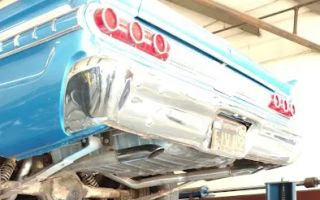
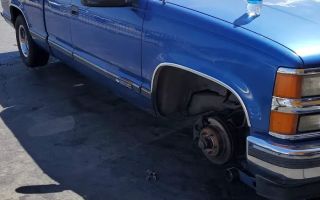
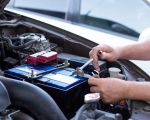
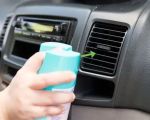
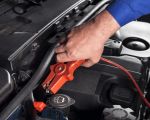
Proper car storage involves several key steps that help preserve your vehicle for long periods. Here's a detailed, step-by-step guide: Clean Your Car Inside and Out: Start by washing the car thoroughly, both inside and out. Dirt and debris can cause damage over time, especially when left in storage for long periods. Clean and vacuum the interior, and consider using a protective upholstery cleaner for your seats and surfaces. Change the Oil and Fluids: Changing the oil is essential when storing a car. Old, used oil can contain contaminants that may corrode the engine over time. Be sure to top up other fluids such as coolant, brake fluid, and transmission fluid to ensure your car is ready for use when you pull it out of storage. Fill Up the Gas Tank: A full gas tank helps prevent moisture from accumulating inside the tank and keeps the seals from drying out. Add a fuel stabilizer to the tank to prevent the gasoline from deteriorating over time. This will make starting your car easier when you get back. Inflate Tires to the Proper Pressure: Flat spots can develop on tires if they are not properly inflated during long-term storage. Make sure your tires are fully inflated to the manufacturer’s recommended pressure. If you're storing the car for a very long time, consider placing the vehicle on jack stands to take the pressure off the tires. Disconnect the Battery: To prevent the battery from draining, disconnect it. You can also use a battery maintainer (also known as a trickle charger) if you want to keep the battery in good condition while it’s in storage. Cover the Car: If possible, store your car in a covered area, such as a garage. If that’s not possible, consider using a high-quality car cover that protects against dust, dirt, and UV rays. A good cover also helps shield the vehicle from rodents or pests. Seal the Exhaust Pipe: To keep rodents from nesting in your exhaust pipe or other areas of the car, stuff the pipe with a rag or some steel wool. Be sure to remove it before starting the car after storage.3. Common Mistakes to Avoid When Storing Your Car
While preparing your car for storage is crucial, there are common mistakes many car owners make when storing their vehicles for extended periods. Here are a few things to watch out for: Leaving the Car with an Empty Gas Tank: This is one of the biggest mistakes. An empty tank can lead to moisture buildup inside the tank and fuel lines, which can cause rusting and clogging. Ignoring Tire Pressure: Tires that aren’t properly inflated can develop flat spots over time. Be sure to check tire pressure before storing and inflate them to the correct level. Storing the Car Without a Cover: Leaving your car exposed to the elements can cause damage to the paint, interior, and even cause rust. A good car cover is a must, especially for long-term storage in an outdoor environment. Not Using Fuel Stabilizer: Gasoline can degrade over time, causing it to lose its combustibility. Using a fuel stabilizer ensures the fuel remains in good condition.4. Real-Life Example: How Proper Car Storage Saved My Vehicle
A friend of mine, John, left his vintage car in storage for almost a year while he traveled for work. He followed the essential steps: cleaning the car, changing the oil, filling up the gas tank, and using a trickle charger to maintain the battery. However, he forgot to disconnect the battery and place the car on jack stands. When he returned, his car was in perfect working order—except for the flat spots on the tires. Had John followed the additional step of putting the car on jack stands, his tires would have remained in pristine condition. Nonetheless, his preparation prevented much bigger issues like rust in the fuel tank and a drained battery, which saved him a lot of time and money.5. Additional Resources for Car Storage and Maintenance
If you’re preparing your car for storage and need additional resources, there are plenty of options to help you keep everything in top condition. Local car storage facilities offer both indoor and outdoor storage with climate-controlled units to protect your car. Many of these facilities also offer maintenance services like tire inflation and battery checks. Additionally, for more tips on car maintenance and storage solutions, visit Rescue & Towing, where you'll find helpful guides and professional services to assist with long-term car care.By taking the proper steps to prepare your car for extended storage, you can ensure it stays in great condition, ready to go when you are. Proper car storage not only helps protect your vehicle but also saves you from costly repairs in the future. Don't forget to check out Rescue & Towing for more tips and services that help keep your car running smoothly.