- Understanding-the-Importance-of-Track-Day-Inspection
- Pre-Inspection-Checklist-for-Your-Track-Car
- Essential-Maintenance-Steps-Before-Heading-to-the-Track
- Common-Issues-That-Fail-Track-Day-Inspections
- Real-Driver-Experiences-and-Preparation-Stories
- How-Rescue-&-Towing-Can-Help-With-Track-Day-Preparation
1. Understanding the Importance of Track Day Inspection
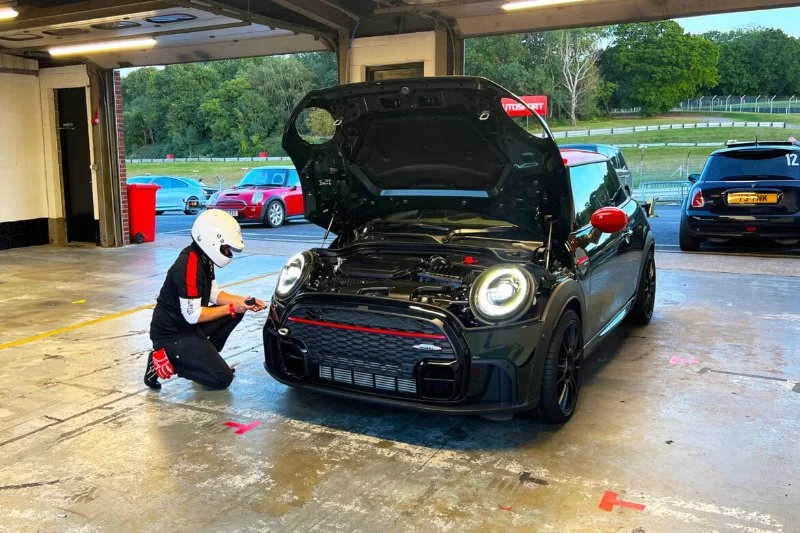
Before you hit the throttle at full speed, ensuring your car passes a track day inspection is not just a requirement—it’s a matter of safety and performance. Track conditions push vehicles far beyond typical daily driving stress levels. Understanding how to prepare your car for a track day inspection means knowing what race organizers look for and how to make sure your car is capable of handling intense driving dynamics.

Pick Your Part - Help Yourself
1232 Blinn Ave, Wilmington, CA 90744, USA
1.1 Why Pre-Inspection Matters
Track day inspections assess everything from braking efficiency to fluid containment. A small mechanical oversight—like worn brake pads or underinflated tires—can result in dangerous outcomes. Inspections are designed to catch these issues early, ensuring your day at the track is about adrenaline, not accidents.

Pick Your Part - Greer
13054 E Wade Hampton Blvd, Greer, SC 29651, USA
1.2 Setting Expectations
Each event may have its own rules, but most inspections follow similar standards: checking safety equipment, tire condition, and mechanical integrity. Preparing ahead not only saves time but also prevents the embarrassment of being turned away from the track.
2. Pre-Inspection Checklist for Your Track Car
When learning how to prepare your car for a track day inspection, start with a systematic checklist. This approach ensures no detail is missed and your vehicle meets or exceeds all safety and performance criteria.
2.1 Braking System
Inspect your brake pads and rotors for wear. Track conditions demand rapid deceleration from high speeds, which can generate extreme heat. Replace any pads with less than 50% material left, and flush your brake fluid with high-temperature-rated fluid to prevent fade under stress.
2.2 Tires and Alignment
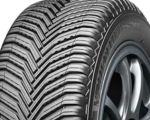
Check for uneven tread wear, bulges, or sidewall damage. Tires should be inflated to manufacturer-recommended pressures for track conditions—usually slightly higher than normal street driving. Proper alignment improves cornering stability and reduces tire degradation.
2.3 Fluids and Cooling
Ensure all fluid levels—engine oil, coolant, brake fluid, and transmission oil—are fresh and at proper levels. The cooling system should be inspected for leaks or old hoses that might fail under high temperatures. Always bring extra fluids to the track for emergency top-ups.
2.4 Suspension and Steering
Loose suspension components can cause unpredictable handling at high speeds. Check ball joints, control arms, and tie rods for play. Your steering should feel precise, without slack or vibration.
2.5 Safety Equipment
Verify that your seat belts or harnesses are secure and not frayed. Helmets should be track-approved (Snell or FIA rated), and roll cages must be properly mounted for high-performance events. Don’t underestimate the importance of personal safety gear—it can save your life.
3. Essential Maintenance Steps Before Heading to the Track
Preparation extends beyond inspection—it’s about optimizing your car for maximum reliability during extreme use. Many enthusiasts overlook these simple yet vital steps.
3.1 Change Fluids and Filters
Fresh oil and filters ensure proper lubrication under constant high RPMs. Choose a high-performance synthetic oil with a higher viscosity index to withstand heat. Consider changing differential and transmission fluids if you haven’t done so recently.
3.2 Battery and Electrical System
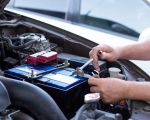
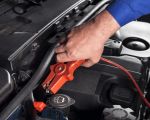
Inspect your battery terminals for corrosion and ensure a strong connection. A weak battery can cause misfires or ECU errors on the track. Secure the battery with a proper hold-down to meet inspection requirements.
3.3 Brake Bleeding and Bedding
After replacing pads or rotors, bed them properly before your first lap. This process distributes the friction material evenly and improves braking consistency. Bleed the brakes to eliminate any trapped air that could reduce pedal firmness.
4. Common Issues That Fail Track Day Inspections
Even experienced drivers occasionally miss small but critical details. Knowing what inspectors frequently flag can help you avoid frustration on race day.
4.1 Fluid Leaks
Any sign of oil, coolant, or brake fluid leakage will result in immediate failure. Inspect under your car for drips or residue and fix leaks before you arrive. Tracks prohibit leaking vehicles to prevent hazards for other drivers.
4.2 Loose or Missing Fasteners
Bolts, lug nuts, and mounting points should be torqued to specification. Missing fasteners—especially on seats or harnesses—are major safety violations. Bring basic tools and a torque wrench to recheck before entering the paddock.
4.3 Tires Below Minimum Tread Depth
Track organizers often require a minimum tread depth of 2/32". Slicks or excessively worn tires are unsafe unless officially permitted in specific track events. Always inspect tires the night before departure.
5. Real Driver Experiences and Preparation Stories
Track veterans often say, “Preparation wins races before the green flag drops.” Take James, an amateur racer from Arizona, who once failed inspection due to a small coolant leak he’d ignored. It cost him an entire race weekend. Since then, he follows a strict pre-track routine—checking fluids, torquing bolts, and performing visual inspections a week before each event.
Meanwhile, Lisa, a first-time participant, found her confidence skyrocket after completing her first pre-inspection checklist. “It’s not just about safety—it’s about peace of mind,” she said. Her car performed flawlessly all day, thanks to diligent preparation and the support she received from her local service provider.
6. How Rescue & Towing Can Help With Track Day Preparation
Preparing for a track day isn’t just mechanical—it’s logistical. At 【Rescue & Towing】, we understand the passion behind every race and provide services to help drivers get their cars ready for inspection and transportation. From pre-event mechanical checks to emergency roadside support, our team ensures your vehicle is track-ready and safely delivered to the event.
6.1 Pre-Track Inspection Support
Our technicians specialize in performance vehicle assessments, ensuring all components meet track inspection standards. Whether it’s verifying brake efficiency or checking suspension geometry, we help you catch issues before they become problems.
6.2 Towing and Transport Solutions
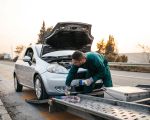
If your car faces mechanical failure during the event, 【Rescue & Towing】 offers quick recovery and transport back to your preferred shop. We make sure your focus stays on performance, not logistics.
6.3 Partnering for Peace of Mind
By working with 【Rescue & Towing】, you’re not just preparing for inspection—you’re investing in confidence. We help car enthusiasts and racers alike enjoy every moment on the track, knowing their vehicles are ready for the challenge ahead.