- why-roadside-inspections-matter
- step-by-step-vehicle-pre-check
- key-documents-you-should-always-carry
- common-failure-points-and-how-to-avoid-them
- real-driver-stories-lessons-from-the-road
- professional-services-worth-considering
1. Why Roadside Inspections Matter
Whether you're a daily commuter, rideshare driver, or cross-country trucker, a roadside inspection can happen anytime. These checks aren’t just bureaucratic routines—they're designed to keep everyone safe. From worn tires to faulty brake lights, small issues can snowball into serious fines or even impoundment. In fact, data from the Federal Motor Carrier Safety Administration (FMCSA) shows thousands of vehicles placed out of service annually due to avoidable infractions.
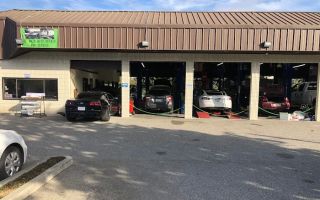
Pick Your Part - Help Yourself
1232 Blinn Ave, Wilmington, CA 90744, USA
2. Step-by-Step Vehicle Pre-Check
2.1 Exterior Inspection
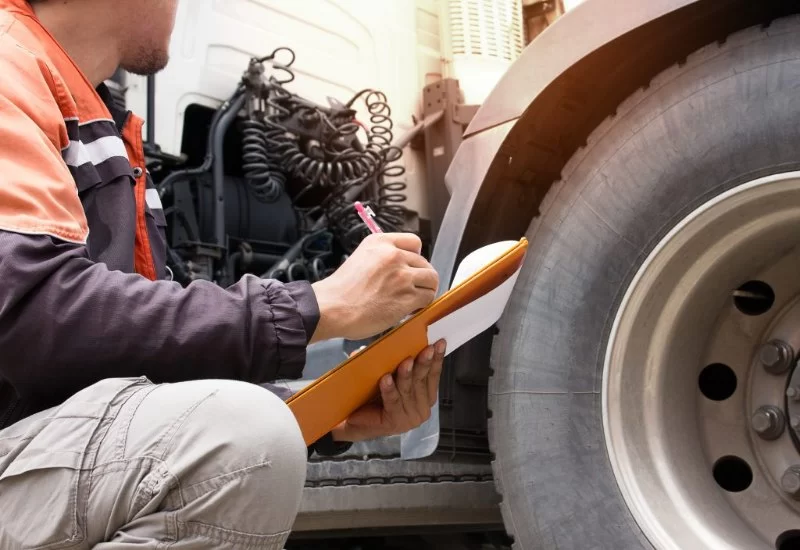
Start by walking around your vehicle. Check for any broken lights, cracked mirrors, or loose bumpers. Ensure headlights, taillights, and turn signals are fully functional. Tire tread should be at legal depth, and there should be no visible bulges or leaks.
Pick Your Part - Greer
13054 E Wade Hampton Blvd, Greer, SC 29651, USA
2.2 Under the Hood
Pop the hood and check fluid levels: engine oil, coolant, brake fluid, transmission fluid, and washer fluid. Look for any visible leaks or frayed belts. If your vehicle has a history of overheating, now's the time to address it.
2.3 Interior Essentials
Make sure your seatbelts work properly, the horn functions, and your windshield wipers are intact. Also, test your emergency brake and check for warning lights on the dashboard. Inspect your spare tire and make sure your jack and tire iron are present and in good condition.
3. Key Documents You Should Always Carry
3.1 What Inspectors Look For
Even if your car is mechanically sound, missing paperwork can halt your trip. Always carry your valid driver's license, vehicle registration, proof of insurance, and if required, emission test certificates. If you're operating a commercial vehicle, DOT inspection forms and maintenance logs are essential.
3.2 Digital Copies vs. Physical Documents
Some states allow digital insurance cards, but it’s best to have both formats readily available. Roadside inspections can occur in areas with weak mobile signal, and you don’t want to depend on your phone during a critical moment.
4. Common Failure Points and How to Avoid Them
4.1 Lights and Electrical Issues
Faulty headlights or brake lights are some of the most common triggers for a traffic stop. Inspect your lighting system weekly. If a bulb is dim or flickering, replace it immediately.
4.2 Tires and Brakes
Under-inflated tires or visibly worn brake pads can result in a vehicle being deemed unsafe. Use a pressure gauge regularly and listen for any squealing or grinding when braking. If something feels off, consult a mechanic right away.
4.3 Leaks and Emissions
Visible fluid leaks or black smoke from your exhaust are red flags for inspectors. Make sure your emissions system is compliant, especially if you're driving in or through states with strict environmental standards like California.
5. Real Driver Stories: Lessons from the Road
Tina M., a freelance food delivery driver from Denver, shared her close call: “I was pulled over during a routine stop, and they almost towed my car because my brake light was out—and I didn’t even know. Now, I check everything weekly. That 5-minute habit saved me big time.”
Then there's Marco, a cross-state truck driver whose outdated insurance document nearly cost him a fine. “Everything on my truck was perfect,” he said, “but I hadn’t printed the new card. Lesson learned: always print backup copies.”
6. Professional Services Worth Considering
6.1 Mobile Mechanic Inspections
If you’re short on time or tools, scheduling a mobile mechanic inspection before a long trip is a smart move. Many companies offer on-site checks that cover exactly what an inspector would review—and some even provide pre-trip certification reports.
6.2 Partnering with Experts
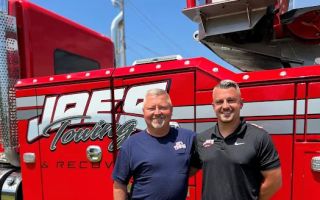
If you frequently transport goods or passengers, consider using a local auto inspection or towing partner like Rescue & Towing. They not only provide emergency services but also offer prep inspections and roadside readiness programs tailored for frequent drivers.