- Importance of Preparing for Winter Driving Emergencies
- Key Components of a Winter Emergency Car Kit
- Strategies for Driving Safely in Winter Conditions
- Real-Life Winter Driving Emergency Examples
- How Rescue & Towing Supports Winter Drivers
1. Importance of Preparing for Winter Driving Emergencies
Winter driving presents unique challenges that can quickly turn a routine trip into a dangerous situation. Snow, ice, and freezing temperatures increase the risk of accidents and vehicle malfunctions. Preparing for winter driving emergencies is not just about protecting your car—it’s about safeguarding your life and the lives of passengers.
Understanding how to prepare for winter driving emergencies means having the right knowledge, tools, and mindset before you hit the road. The unpredictability of winter weather can leave drivers stranded in freezing conditions, sometimes for hours. Being proactive can make all the difference between a minor inconvenience and a serious hazard.

Mavis Discount Tire
611 Utica Ave, Brooklyn, NY 11203, USA
1.1 Why winter preparation goes beyond vehicle maintenance
While servicing your vehicle for winter is essential, emergency preparedness also involves assembling a comprehensive kit, planning your routes carefully, and knowing how to respond when things go wrong. Winter emergencies require swift, calm action, and preparation ensures you are ready to respond effectively.

Essentially Driven
4151 Park Ave, Bronx, NY 10457, USA
2. Key Components of a Winter Emergency Car Kit
Having a well-stocked emergency kit is one of the most critical steps in preparing for winter driving emergencies. This kit equips you to handle common winter-related issues safely and comfortably.
2.1 Essential items to include
A complete winter emergency car kit should include:
Warm clothing and blankets: To protect against hypothermia if you are stranded.
Non-perishable snacks and water: For sustenance during long waits.
Flashlight with extra batteries: Visibility is crucial during night or snowstorms.
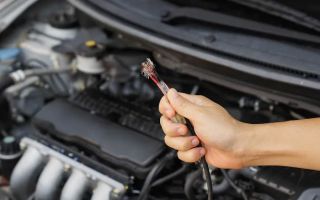
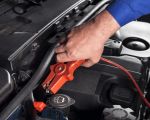
Jumper cables and tire chains: For vehicle recovery and traction on icy roads.
Ice scraper and snow brush: To clear windows and maintain visibility.
Shovel: Useful for digging out snow around tires.
First aid kit: To treat minor injuries.
Portable phone charger or power bank: To keep communication lines open.
2.2 Importance of regular kit checks
Winter kits should be reviewed before the season and replenished as necessary. Batteries die, food expires, and weather conditions evolve. Staying updated keeps you ready for any emergency.
3. Strategies for Driving Safely in Winter Conditions
Preparing your car and emergency kit is only part of winter driving safety. Developing smart driving habits tailored to winter hazards is equally important.
3.1 Adjusting speed and maintaining distance
Snow and ice drastically reduce tire traction. Driving slower than usual and increasing the distance between vehicles allows more reaction time to avoid collisions.
3.2 Knowing how to handle skids and loss of control
Understanding how to steer into a skid, avoid sudden braking, and remain calm can prevent accidents. Practice or review these techniques before winter hits.
3.3 Planning routes and checking weather
Before setting out, check road conditions and weather forecasts. Opt for well-maintained roads and consider delaying travel during severe storms.
3.4 Informing others of travel plans
Always tell someone your expected route and arrival time. In case of emergency, this information helps rescuers find you faster.
4. Real-Life Winter Driving Emergency Examples
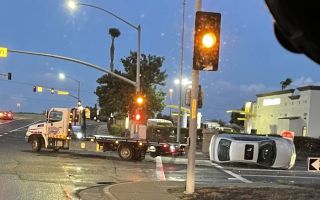
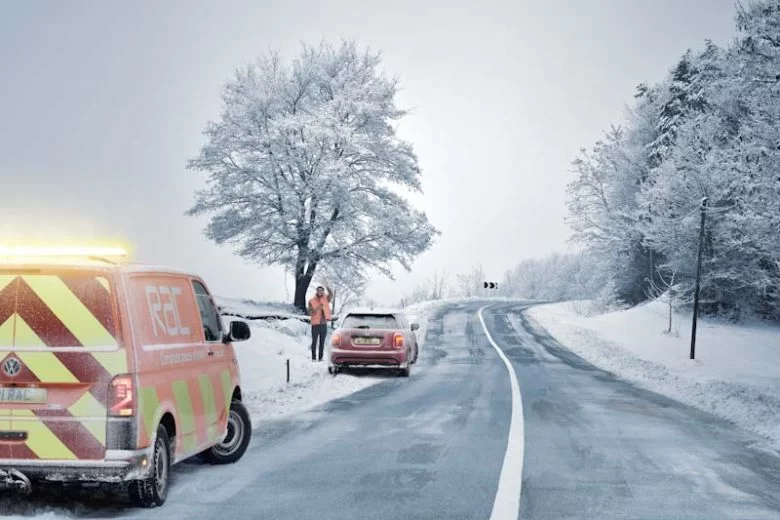
One notable story involves a commuter stuck in a snowstorm on a rural highway. Thanks to their prepared emergency kit and slow, cautious driving, they stayed safe overnight until help arrived. The individual used blankets and food from their kit and kept their phone charged with a power bank. This experience underscores how preparation can be lifesaving.
Another driver, caught in an unexpected ice patch, avoided a crash by remembering to steer gently into the skid rather than braking hard. They managed to regain control and safely reach a nearby service station for assistance. These real-life cases highlight that knowledge and readiness are just as critical as equipment.
4.1 Insights from winter emergency responders
Experts often advise that most winter emergencies are preventable with proper preparation. When accidents do occur, quick, calm responses paired with adequate equipment greatly improve outcomes.
5. How Rescue & Towing Supports Winter Drivers
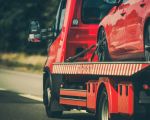
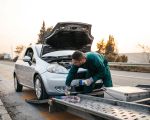
When emergencies strike despite best efforts, Rescue & Towing stands ready to provide fast, professional help. Their winter-specific services include towing, battery jump-starts, tire changes, and extraction from snow or ice. Equipped to operate in the harshest conditions, Rescue & Towing helps drivers stay safe and get back on the road swiftly.
Winter driving preparedness is a shared responsibility, and having a trusted service like Rescue & Towing on your side adds an essential layer of security. For anyone looking to prepare effectively for winter driving emergencies, checking out Rescue & Towing’s range of products and services is highly recommended.