- 1-Importance-Preparing-for-Winter-Roadside-Emergencies
- 2-Essential-Items-for-Winter-Roadside-Emergency-Kits
- 3-Pre-Trip-Vehicle-Checks-to-Avoid-Emergencies
- 4-How-to-Handle-Common-Winter-Roadside-Emergencies
- 5-Real-Life-Case-of-Winter-Roadside-Preparedness
- 6-Additional-Safety-Tips-and-Professional-Help
- 7-Where-to-Find-Reliable-Roadside-Services
1. Importance of Preparing for Winter Roadside Emergencies
Winter driving comes with its unique set of challenges and risks. Icy roads, low visibility, and freezing temperatures increase the likelihood of roadside emergencies, making preparation essential. Knowing how to prepare for roadside emergencies in winter not only ensures your safety but also minimizes stress and inconvenience if your vehicle breaks down or you encounter an accident.
Being proactive can mean the difference between a minor delay and a dangerous situation. Winter emergencies demand specific tools and knowledge due to harsh weather conditions, and preparation can empower you to handle unexpected events confidently.
California Roadside Service
1426 S Allec St, Anaheim, CA 92805, USA
Understanding the Risks
Winter hazards such as black ice, snowdrifts, and sudden temperature drops can cause your vehicle to skid, get stuck, or experience mechanical failures. Preparedness involves anticipating these risks and equipping yourself accordingly.

ASAP Roadside Assistance
5400 Yarmouth Ave, Encino, CA 91316, USA
2. Essential Items for Winter Roadside Emergency Kits
One of the best ways to prepare for winter emergencies is assembling a comprehensive roadside emergency kit tailored for cold weather conditions. This kit should go beyond basic supplies to include items specific to winter safety.
Warm Clothing and Blankets
Even a short wait for help can become dangerous without adequate warmth. Pack insulated gloves, hats, thermal blankets, and extra layers to keep you protected against hypothermia.
Vehicle Tools and Supplies
Include a snow shovel, ice scraper, tire chains, jumper cables, and a flashlight with extra batteries. These tools help manage common winter issues such as getting stuck or battery failure.
Food and Water
Non-perishable snacks and bottled water are crucial in case you are stranded for hours. Staying hydrated and nourished helps maintain energy and alertness.
3. Pre-Trip Vehicle Checks to Avoid Emergencies
Proper vehicle maintenance is the first line of defense in preventing roadside emergencies during winter travel.
Tires and Tire Pressure
Ensure your tires have sufficient tread and consider winter tires for better traction. Regularly check tire pressure, as it can drop with cold temperatures, affecting handling and safety.
Battery and Fluids
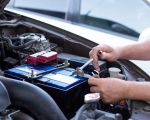
Cold weather strains your car battery, so test its health before winter trips. Also, verify antifreeze levels and use winter-grade windshield washer fluid to maintain visibility.
Brakes and Lights
Inspect brakes for responsiveness and check all vehicle lights to ensure they function properly, especially since winter days are shorter and visibility may be limited.
4. How to Handle Common Winter Roadside Emergencies
Knowing how to react during typical winter emergencies can save lives and reduce damage.
Getting Stuck in Snow
If your vehicle gets stuck, avoid spinning the tires aggressively, which can worsen the situation. Use your shovel to clear snow around the tires and place sand or kitty litter for traction.
Dealing with a Dead Battery
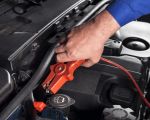
Use jumper cables to revive your battery safely. Keep a set in your kit and familiarize yourself with jump-starting procedures before the season begins.
Black Ice and Skidding
If you encounter black ice, steer gently in the direction you want to go and avoid sudden braking. Remaining calm and controlled helps prevent accidents.
5. Real-Life Case of Winter Roadside Preparedness
Last winter, John and his family were traveling through a remote snowy area when their SUV got stuck in a snowdrift at night. Thanks to their well-prepared winter roadside kit, including blankets, food, and a reliable shovel, they stayed safe and warm while calling for help.
Rescue & Towing arrived promptly, assisting John with equipment that complemented his own preparations. This experience underscored the critical value of knowing how to prepare for roadside emergencies in winter and having trusted professionals on call.
6. Additional Safety Tips and Professional Help
Beyond equipment and knowledge, adopting safe driving habits is crucial. Reduce speed, increase following distance, and avoid unnecessary trips during severe weather. Always inform someone of your travel route and expected arrival time.
In case of emergencies beyond your control, professional services are invaluable. Rescue & Towing specializes in winter roadside assistance, offering reliable support and peace of mind when you need it most.
7. Where to Find Reliable Roadside Services
Choosing trustworthy roadside assistance is part of smart preparation. Services like Rescue & Towing provide comprehensive winter emergency support, including towing, jump starts, tire changes, and winching out stuck vehicles.
Having their contact information saved before winter sets in ensures rapid help, minimizing risk and inconvenience during cold-weather breakdowns.