- 1-understanding-the-need-for-cable-free-jump-start-methods
- 2-using-a-jump-start-battery-pack
- 3-employing-a-portable-car-booster
- 4-alternative-techniques-and-tools
- 5-safety-precautions-when-jump-starting-without-cables
- 6-real-life-examples-of-cable-free-jump-starts
- 7-when-to-contact-professional-rescue-and-towing-services
1. Understanding the Need for Cable-Free Jump Start Methods
Jump starting a car traditionally involves jumper cables connected to a second vehicle. However, there are many situations where cables or a second car may not be available, making alternative methods essential. Knowing how to jump start a car without cables can be a lifesaver during emergencies, especially in remote areas or late at night.
Understanding these cable-free jump start options equips drivers with practical solutions to restore their vehicle’s battery power safely and efficiently.

AJ's Auto Glass & Detailing
4404 S 84th St, Omaha, NE 68127, USA
2. Using a Jump Start Battery Pack
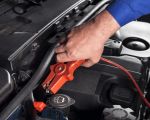
One of the most popular cable-free jump start methods is utilizing a portable jump start battery pack. These compact devices store electrical power and can be connected directly to your car battery with built-in clamps, eliminating the need for a second vehicle.
Jump start battery packs are user-friendly, rechargeable, and designed with safety features to prevent reverse polarity or sparks. They are effective for a wide range of vehicles and have become an essential item for many drivers’ emergency kits.
AJ's Auto Glass & Detailing
4404 S 84th St, Omaha, NE 68127, USA
3. Employing a Portable Car Booster
Portable car boosters function similarly to jump start battery packs but often include additional features like air compressors and USB charging ports. They provide a convenient, multi-functional solution for roadside emergencies.
To use a portable booster, simply connect it to the battery terminals following the device instructions and start the vehicle. Many boosters come with clear LED indicators and instructions, making the process straightforward even for those with limited technical experience.
4. Alternative Techniques and Tools
While less common, some cable-free jump start techniques include push-starting (also known as bump-starting) for manual transmission vehicles. This involves getting the car rolling and engaging the clutch to start the engine without electrical assistance.
Other innovative tools like solar-powered battery chargers or emergency crank generators can provide limited power to restart a vehicle, though they may require more time or specific conditions.
5. Safety Precautions When Jump Starting Without Cables
Regardless of the method used, safety is paramount. Always ensure the jump start device is compatible with your vehicle’s battery voltage and capacity. Follow the manufacturer’s instructions carefully to avoid damage to your car’s electrical system.
Avoid touching metal parts while connecting clamps and keep the devices away from moisture or flammable materials. Wearing protective gloves and eyewear is recommended to prevent injury in case of sparks or battery issues.
6. Real Life Examples of Cable-Free Jump Starts
John, a driver stranded on a rural highway, successfully used a jump start battery pack to restart his SUV after his battery died. His preparation and knowledge of cable-free methods saved him hours of waiting for roadside assistance.
Another case involved a manual transmission car owner who push-started his vehicle on a downhill slope, demonstrating that knowing alternative techniques can provide effective solutions without cables or devices.
7. When to Contact Professional Rescue and Towing Services
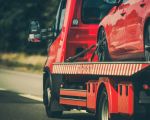
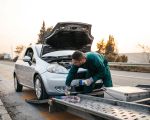
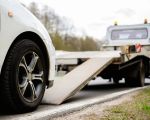
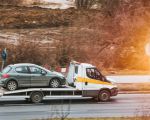
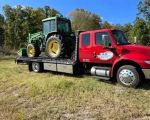
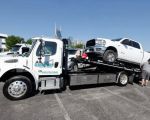
In situations where cable-free jump start methods fail or are not feasible, contacting professional roadside assistance is crucial. Services like Rescue & Towing offer expert help, ensuring safe and quick vehicle recovery.
Professional technicians can diagnose battery issues, provide jump starts, or tow your vehicle to a service center if necessary. Having their contact information handy can alleviate stress and provide peace of mind during roadside emergencies.