- Understanding Why Cars Die from Battery Issues
- Step-by-Step Guide to Jump Starting Your Car
- Common Mistakes to Avoid When Jump Starting
- Real Stories Showing the Importance of Knowing How to Jump Start
- When to Call Professionals Like Rescue & Towing for Dead Battery Help
1. Understanding Why Cars Die from Battery Issues
A dead battery is one of the most common reasons a car refuses to start. But why does this happen? Car batteries provide the electrical energy necessary to power your starter motor and ignition system. Over time, batteries lose their ability to hold a charge due to age, extreme weather, or leaving lights on unintentionally.
Knowing the root cause helps drivers react appropriately. Sometimes a simple jump start can revive the battery temporarily, but a persistent failure often signals that the battery needs replacement. Understanding this is the first step in confidently handling a dead battery situation.

NTB-National Tire & Battery
6315 Prentiss School Dr, Canal Winchester, OH 43110, USA
1.1 The Role of Battery Maintenance
Proper battery maintenance, such as keeping terminals clean and checking voltage levels regularly, can extend battery life. Neglect can lead to corrosion or complete battery failure, making jump starts necessary more often than you'd like.

Pep Boys
1200 W Washington Blvd, Los Angeles, CA 90007, USA
1.2 Weather and Battery Performance
Cold temperatures especially drain battery power faster, making winter months a peak time for dead battery incidents. Being prepared with knowledge of how to jump start a car with a dead battery is essential during these conditions.
2. Step-by-Step Guide to Jump Starting Your Car
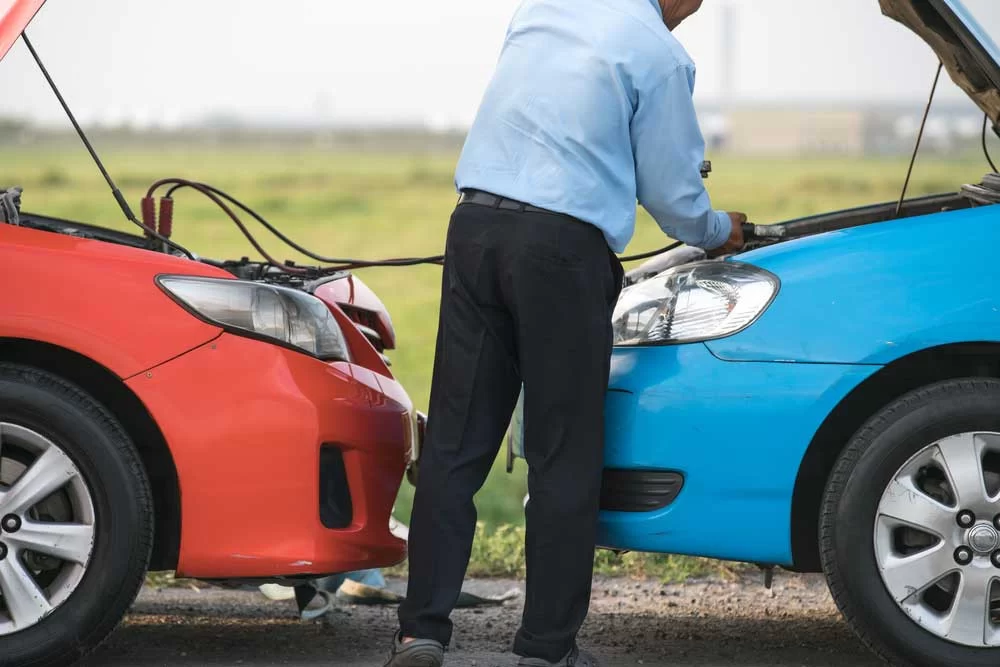
Jump starting your vehicle safely requires careful attention to procedure. Here’s a detailed guide to ensure you do it right and avoid damage or injury.
2.1 What You’ll Need
Gather jumper cables and a vehicle with a fully charged battery (the “helper car”). Make sure both vehicles are parked close enough for the cables to reach but not touching.
2.2 The Correct Jump Start Process
Turn off both vehicles and set parking brakes for safety.
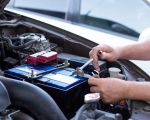
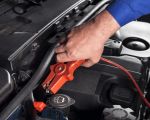
Connect one red (positive) clamp to the dead battery’s positive terminal.
Attach the other red clamp to the helper car’s positive terminal.
Connect one black (negative) clamp to the helper car’s negative terminal.
Attach the remaining black clamp to an unpainted metal surface on the dead car’s engine block, away from the battery.
Start the helper car and let it run for a few minutes to charge the dead battery.
Attempt to start the dead vehicle. If it starts, do not turn it off immediately; let it run to build charge.
Carefully disconnect the cables in reverse order, avoiding contact between clamps.
2.3 Safety Precautions
Never touch clamps together when connected to a battery, and avoid smoking or sparks nearby. If your car doesn’t start after several attempts, avoid forcing it and seek professional assistance.
3. Common Mistakes to Avoid When Jump Starting
Even a seemingly simple jump start can go wrong if precautions are ignored. Here are some frequent errors and how to avoid them.
3.1 Incorrect Cable Connections
Mixing up positive and negative terminals can cause serious electrical damage. Always double-check terminal markings before attaching clamps.
3.2 Attempting to Jump Start a Severely Damaged Battery
If a battery is cracked, leaking, or visibly damaged, attempting a jump start is dangerous and ineffective. Instead, call a professional service.
3.3 Ignoring Vehicle-Specific Instructions
Some modern cars have complex electrical systems requiring special procedures. Consult your owner’s manual for specific jump start instructions to avoid voiding warranties or damaging electronics.
4. Real Stories Showing the Importance of Knowing How to Jump Start
One memorable case involved a young professional stranded in a remote parking lot late at night. With no immediate help nearby, she successfully jump started her car using a friend’s vehicle and safely drove home. This experience not only saved her time and money but also gave her confidence in handling roadside emergencies.
Another story from a snowy winter morning highlights how jump starting a car helped a commuter avoid hours of waiting for roadside assistance, which was backed up due to bad weather. These examples demonstrate how practical knowledge can be a lifesaver, especially in inconvenient or unsafe situations.
5. When to Call Professionals Like Rescue & Towing for Dead Battery Help
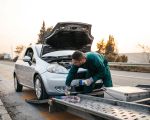
While jump starting is a handy skill, it’s not always the safest or most effective solution. If your battery repeatedly dies, or you’re uncomfortable performing the procedure, it’s wise to rely on professional roadside assistance. Rescue & Towing offers expert help with quick response times, ensuring your vehicle is safely started or towed as needed.
Moreover, Rescue & Towing can assist with battery replacements, diagnostics, and other emergency services, making them a comprehensive choice for drivers facing dead battery troubles. Having their contact information saved can provide peace of mind on every journey.