How to Handle a Car Accident Without Insurance
- 1. Understanding the Risks of Driving Without Insurance
- 2. Immediate Steps to Take After a Car Accident
- 3. Dealing with the Other Driver
- 4. Reporting the Accident to the Authorities
- 5. Handling Legal and Financial Consequences
- 6. How to Prevent Accidents in the Future
1. Understanding the Risks of Driving Without Insurance
Driving without insurance is risky both legally and financially. In many states, having car insurance is a legal requirement, and failing to meet this requirement can result in heavy fines, license suspension, or even jail time. Moreover, if you are involved in a car accident while uninsured, the financial burden can be significant.
Without insurance, you may be personally responsible for paying for any damages to your vehicle, the other party's vehicle, and medical expenses. In cases where the accident results in serious injuries or fatalities, the costs can reach hundreds of thousands of dollars. This makes driving without insurance a potentially life-altering decision, not only for you but also for the other people involved in the accident.
While it's always advisable to have insurance, it's important to understand the steps you should take if you ever find yourself in the unfortunate situation of a car accident without coverage.
2. Immediate Steps to Take After a Car Accident
If you're involved in a car accident and don't have insurance, staying calm and following the right procedures is essential. Here are the immediate steps you should take:
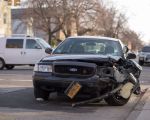
- Ensure Safety: Move your car to a safe location if possible, such as the side of the road, to avoid further accidents. Check yourself and others for injuries, and if anyone is hurt, call emergency services immediately.
- Exchange Information: Even if you don't have insurance, you should still exchange personal and vehicle information with the other driver. This includes names, contact details, license plate numbers, and insurance details. Failing to provide your information could result in legal trouble.
- Document the Scene: Take detailed photos of the accident scene, including vehicle damages, the position of vehicles, and any visible injuries. Collect witness statements if possible, as this can help you later during legal proceedings.
By taking these immediate steps, you'll have a clearer understanding of the situation and be better prepared for the next steps.
3. Dealing with the Other Driver
When handling a car accident without insurance, how you interact with the other driver is crucial. The last thing you want is to escalate the situation. Here’s how you can manage the interaction:
- Stay Calm and Professional: Avoid arguing with the other driver, even if you're frustrated or stressed. A calm demeanor will help prevent the situation from escalating into further conflict.
- Do Not Admit Fault: It's important not to admit fault at the scene of the accident. Liability should be determined by the police and insurance companies based on the evidence. Admitting fault could make you liable for the damages.
- Be Honest: If you don’t have insurance, it’s important to be honest about your situation. Lying could lead to further complications or legal issues down the line. Be upfront about not having coverage but express your intention to handle the situation appropriately.
Remember, your actions in the aftermath of the accident will play a key role in how the situation is resolved, especially in legal and financial terms.
5. Handling Legal and Financial Consequences
When involved in a car accident without insurance, the legal and financial consequences can be significant. Here’s how to handle them:
- Understand Your Liability: Without insurance, you may be personally responsible for paying for the damages caused in the accident, including vehicle repair costs and medical bills. In severe cases, you could face a lawsuit.
- Negotiate a Settlement: In some cases, you may be able to negotiate a settlement with the other party involved in the accident. This could involve paying out-of-pocket for repairs or medical bills in exchange for not pursuing legal action.
- Consider Legal Aid: If the financial burden becomes overwhelming, you might want to consult with a lawyer. Some lawyers specialize in helping individuals without insurance navigate the legal system and minimize financial penalties.
Being proactive about understanding your legal and financial options can help mitigate the consequences of the accident and potentially save you from further complications.
6. How to Prevent Accidents in the Future
While accidents are sometimes unavoidable, there are several steps you can take to reduce the risk of being involved in a car accident in the future:
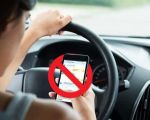
- Drive Defensively: Always stay alert and be prepared for other drivers' actions. Keep a safe distance, obey traffic signals, and avoid distractions while driving.
- Maintain Your Vehicle: Regularly check your vehicle’s condition, including brakes, tires, lights, and wipers. Proper maintenance can prevent accidents caused by mechanical failure.
- Consider Getting Insurance: Even if you don't currently have insurance, consider obtaining coverage to protect yourself in case of an accident. There are affordable insurance options available for all types of drivers.
By taking these preventive measures, you can reduce the likelihood of future accidents and ensure that you are better prepared if an accident does occur.